
When people ask how to train AI agents, they often look for a prompt, a model, or a tool setting. That is the wrong starting point. AI agents become useful when they are placed inside an operating workflow: roles, memory, tools, review rules, and feedback loops.
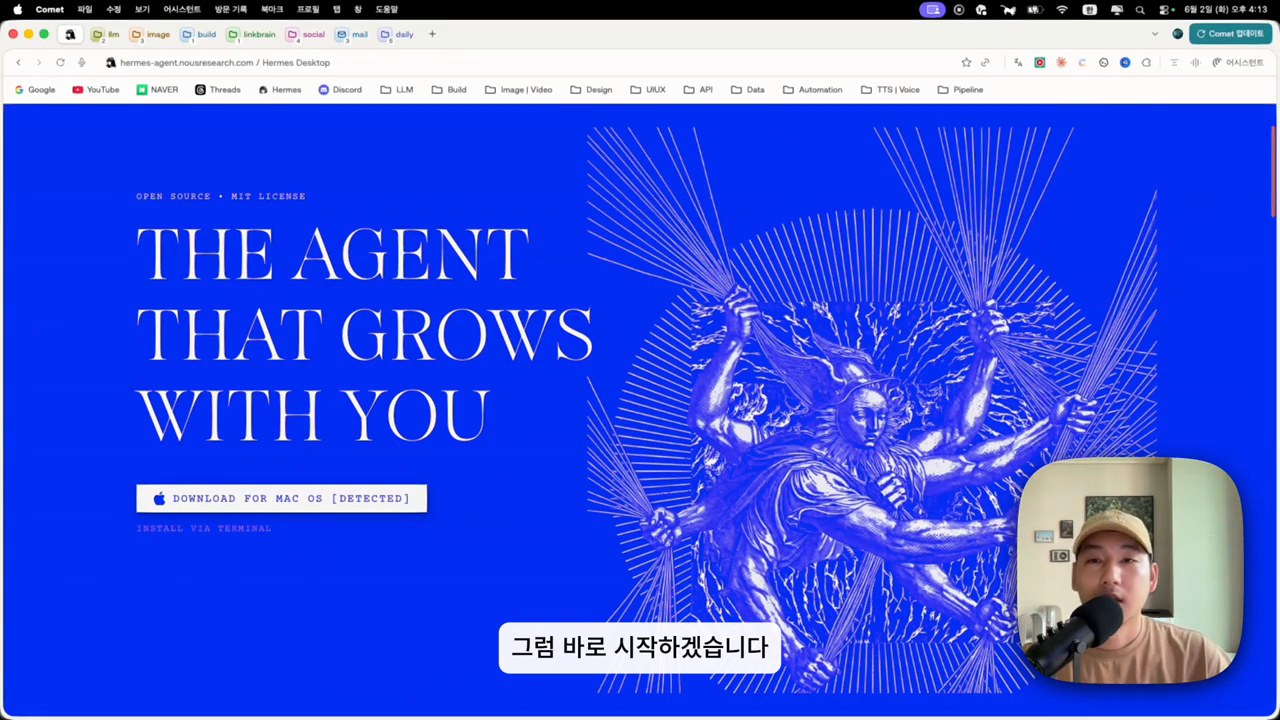
This article uses Hermes Agent as an example of how an AI-native workflow can be designed. The point is not only installation. The more important question is how to operate AI agents so they can produce useful work safely and repeatedly.
Start With Operations, Not Installation
Installing an agent tool is easy compared with operating it. A real workflow needs answers to practical questions. What kind of work should the agent do? What context can it read? What tools can it use? Who reviews the output? What happens when it makes a mistake?
An AI-native organization does not begin with a dashboard. It begins with operating rules. The rules define how agents receive tasks, how they access memory, how they report results, and when humans must approve changes.
Why AI Agents Need Roles
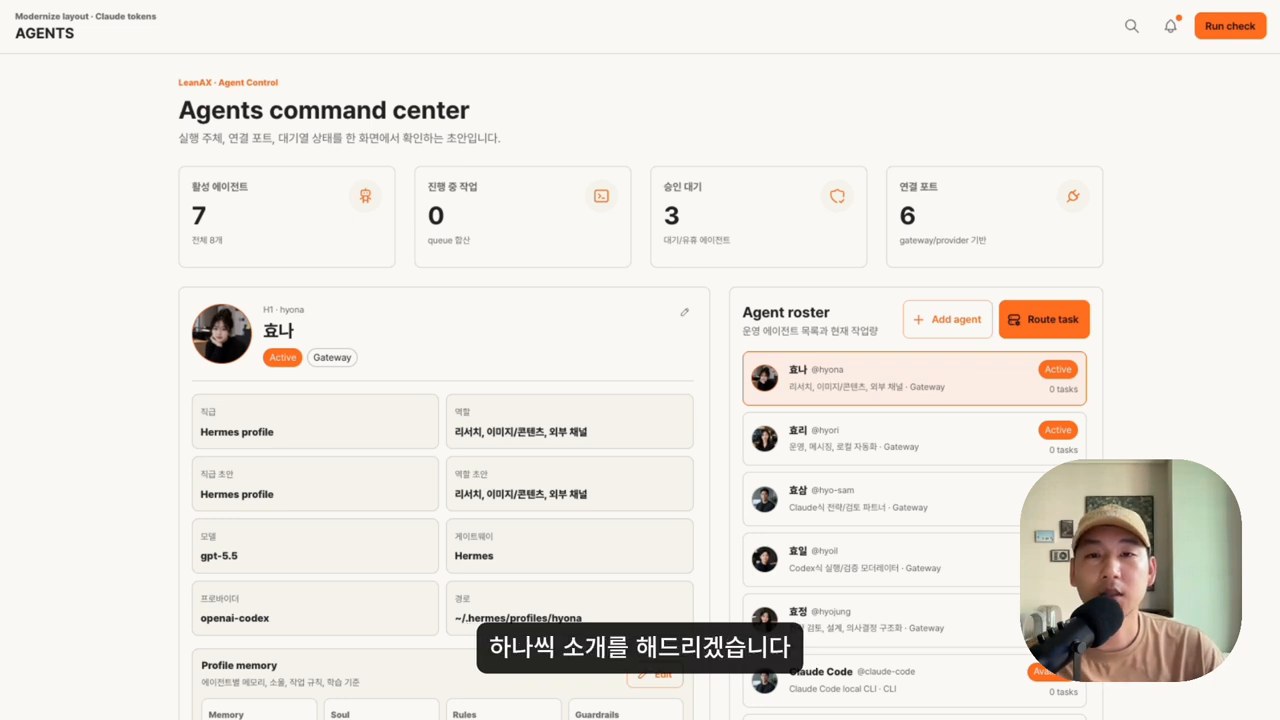
A single general-purpose agent can help with many tasks, but role separation makes the workflow more reliable. One agent can research sources. Another can draft content. Another can review quality. Another can check files or run tests. This is closer to how teams work.
Role design reduces confusion. It also makes evaluation easier. If a research agent fails, you inspect the research step. If a writing agent produces weak output, you improve the writing instructions. If a review agent misses errors, you strengthen the checklist.
The Supervisor Role Is Still Essential
AI agents can execute tasks, but supervision remains important. A supervisor defines the goal, checks whether the result is useful, and decides whether the output can move into production. In many workflows, the supervisor is a human. In more advanced workflows, a review agent can assist, but human approval is still needed for risky changes.
This is especially important when agents can write files, publish content, send messages, or call APIs. Tool access should be powerful, but it should also be bounded by clear approval gates.
Memory Is Not Just More Storage
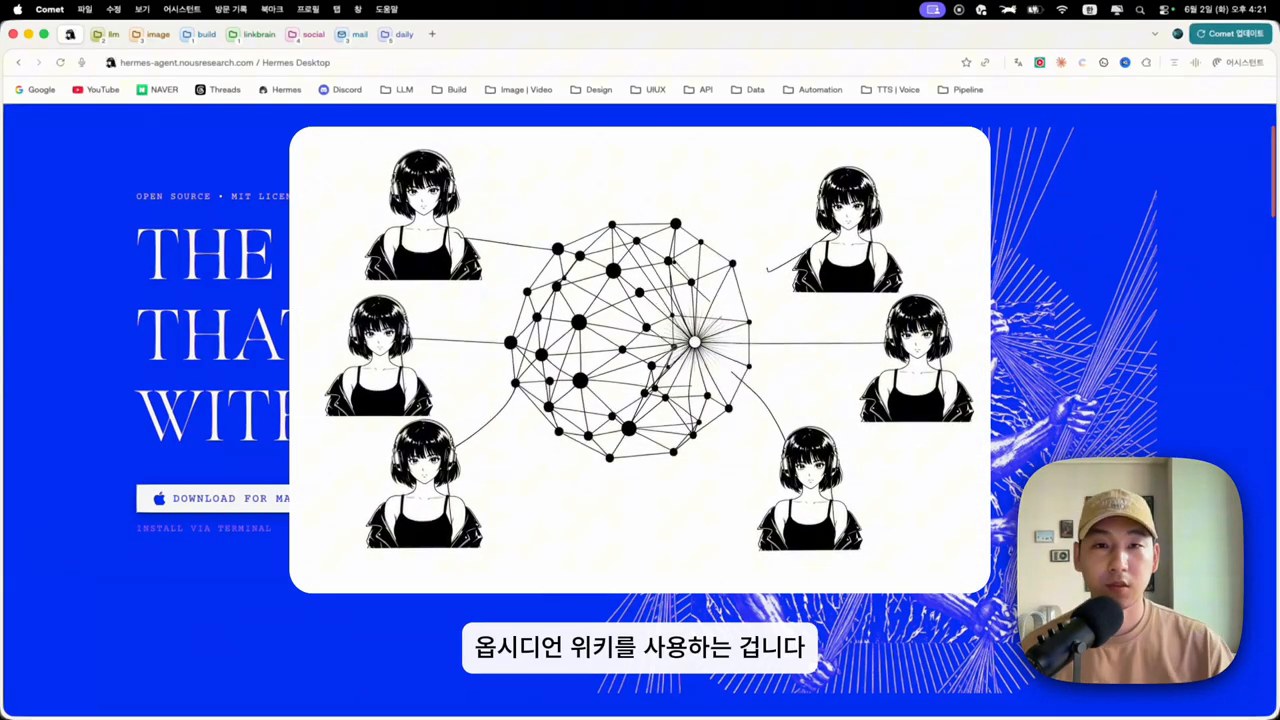
Many teams assume that agent training means adding more memory. That is only partly true. More memory can help, but unstructured memory can also confuse agents. The better approach is to store compact, reusable, verified context.
Useful memory includes preferences, project conventions, source summaries, durable workflows, and lessons from repeated errors. Temporary task progress should usually stay in session logs or project files, not permanent memory. Good memory helps agents avoid repeating the same mistakes.
Remote Execution Is an Operating Channel
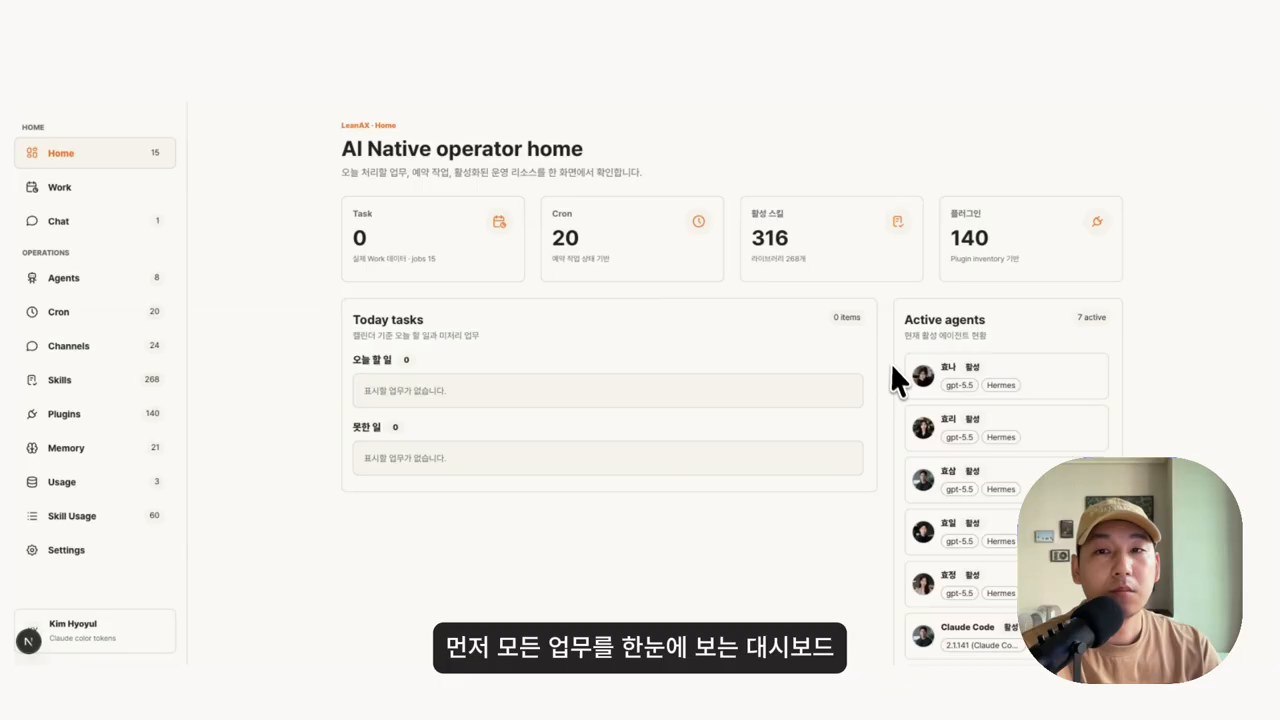
Hermes Agent can be operated through interfaces such as a browser UI, messaging channels, and automation. Remote execution is not just a convenience. It turns the agent into an always-available operating layer. You can ask it to inspect a file, summarize a document, prepare a draft, or run a scheduled check.
However, remote access should not mean uncontrolled automation. The safest approach is to define which actions can happen automatically and which actions require explicit approval. Draft creation is usually safe. Public publishing, deleting files, or changing production settings should require approval.
Cron Jobs Create Learning Loops
Scheduled jobs can turn an agent from a manual assistant into an operating system component. A cron job can monitor a feed, prepare a weekly summary, check a dataset, or remind a team about stale work. The key is to make each scheduled task self-contained and verifiable.
Scheduled work should also feed learning back into the system. If a weekly report improves because the agent learned which sources matter, that improvement should become part of the workflow.
Checklist Before Adopting AI Agents
- Choose one workflow with clear inputs and outputs.
- Define agent roles before adding many tools.
- Prepare a small, reliable memory base.
- Separate draft actions from production actions.
- Create review checklists for quality and safety.
- Log results so the workflow can improve.
- Start with small teams or individual workflows before scaling.
Conclusion: Training AI Agents Means Designing the Workflow
The future of AI agents is not only about stronger models. It is about better operating systems around those models. Hermes Agent shows one direction: agents connected to memory, tools, schedules, profiles, and review loops.
To train AI agents, do not begin by asking for the perfect prompt. Begin by designing the work system the agent will live inside.
Related Reading
FAQ
What does it mean to train an AI agent?
In practical work, it means giving the agent reliable context, clear roles, tool boundaries, review criteria, and feedback loops. It is not the same as model fine-tuning.
Can small teams use AI agents?
Yes. Small teams may benefit faster because they can define workflows and review results without complex organizational layers.
What should not be automated first?
Avoid automating public publishing, irreversible file changes, security settings, payments, or customer-facing messages until review gates are mature.
Original Korean article: AI 에이전트를 학습시키는 법