# Will the AI Singularity Arrive Within Five Years? Five Questions for Preparing for the Agent Era
Talk about the AI singularity usually flows in two directions. One is trying to guess the date when AI will surpass humans. The other is the more tangible question: when will my work and daily life actually change?
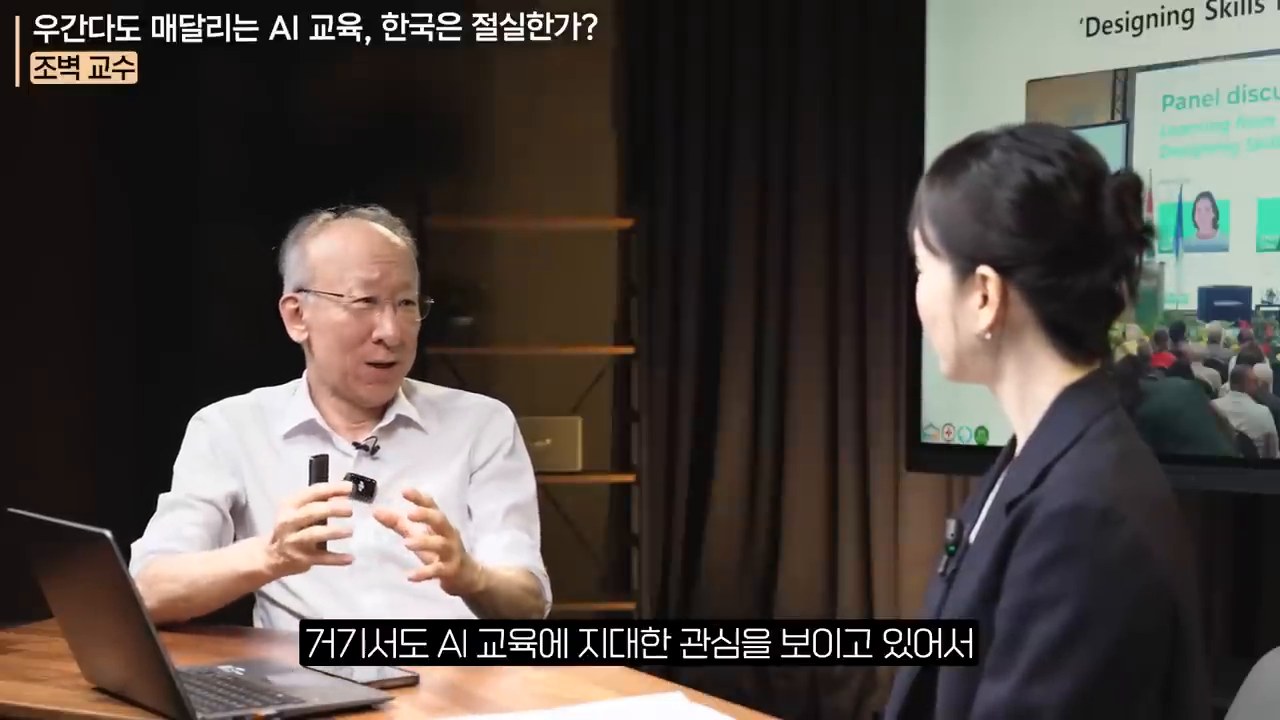
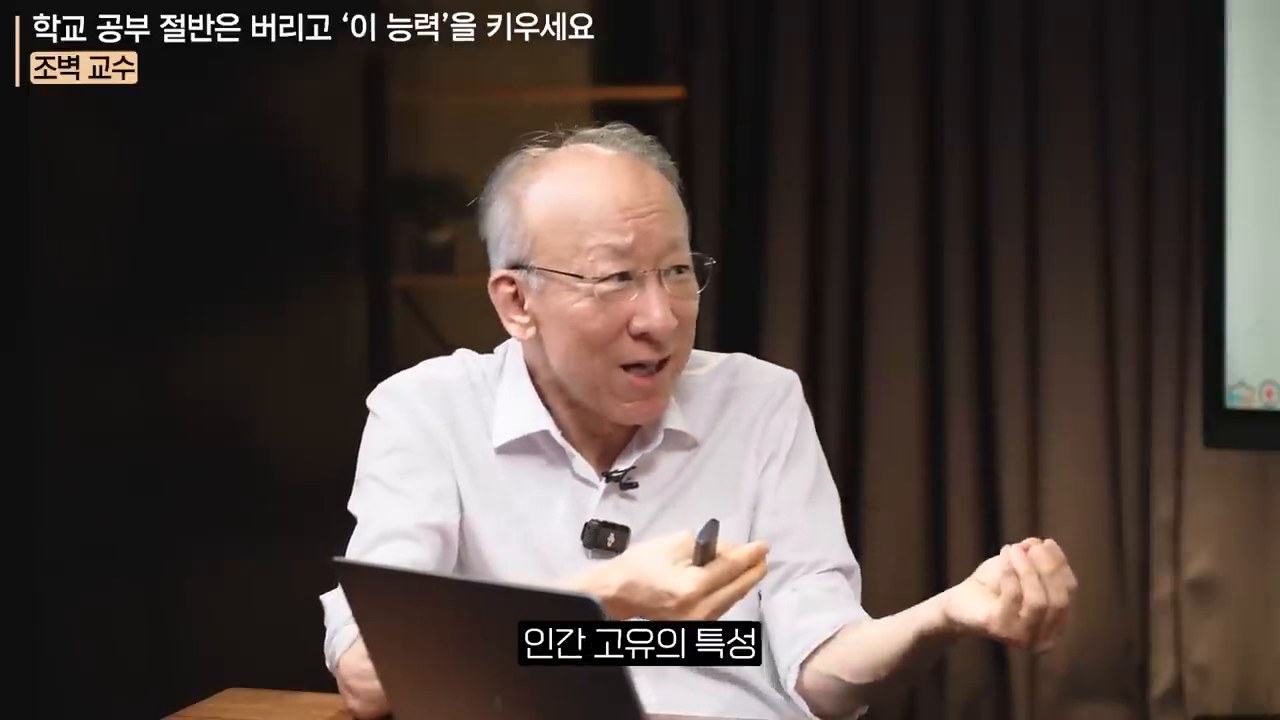
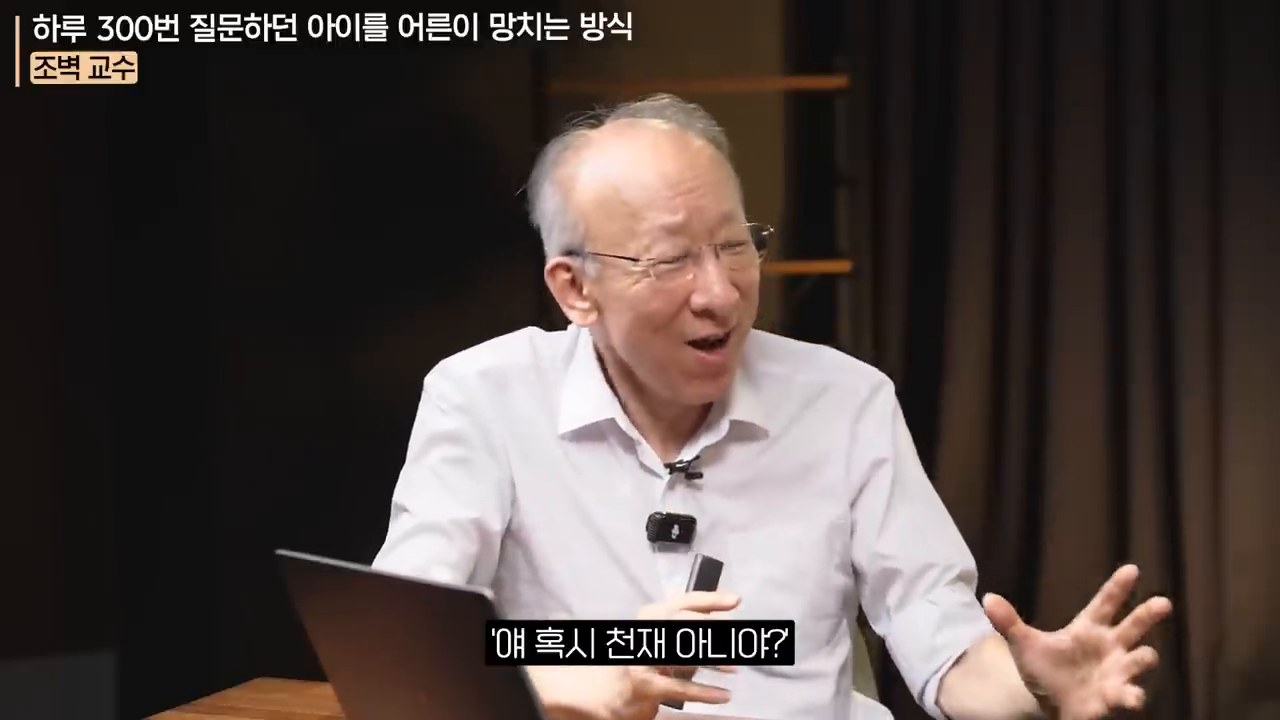
The EBS knowledge video “The latest it will arrive is five years from now” is closer to the second question. The core issue is not a grand prophecy about the future. It is what we should prepare for when AI moves beyond chatbots and approaches the agent stage, where it handles real work.

For the singularity, the “felt threshold” matters more than the date
In the video, the singularity is described as the turning point when artificial intelligence surpasses human intelligence. The speaker mentions that some AI scientists point to around 2030. That is why the phrase “it could arrive within five years” appears.
But if we focus only on the date, the discussion is easily exaggerated. There is a more important question: When will people begin to feel that AI is not just a simple tool, but a colleague at work or even a substitute?
That felt threshold is closer to agents than to the grand word “superintelligence.” When AI carries out multi-step tasks such as finding documents, comparing materials, calculating in Excel, sending emails, and coordinating schedules, people already feel, “This is a different phase.”
In relation to this topic, Thinknote’s summary of AGI and superintelligence risk is also worth reading. If that article looks at the larger risk landscape, this one focuses on changes felt in everyday work.
Why digital intelligence moves differently
One interesting point in the video is the difference between natural intelligence and digital intelligence. Human genius is bound to individuals. Even if the experience a person builds over a lifetime is recorded, it does not become another person’s ability as-is.
AI is different. The level one model reaches can become the starting line for the next model. A movement learned by one robot can also be copied across an entire fleet of robots. In the video, this is explained roughly as: “In AI, once an Einstein appears, that becomes the bottom line.”
Another difference is time. AI can simulate, in compressed time, the trial and error that humans would repeat over hundreds of years. That is why the singularity discussion is not simply about “smarter machines.” It is about changes in learning speed, replicability, and the way knowledge is transferred.
What will change when the agent stage arrives?
As in OpenAI’s discussions of AGI stages, AI development is often described as moving from chatbots to reasoning, agents, innovators, and organization-level systems. The stage the public will most strongly feel first is the agent stage.
An agent does not stop at giving an answer. It receives a user’s goal, handles multiple apps and tools, checks intermediate results, and continues the necessary work. That is why how work changes in the agentic AI era has already become a practical topic for both individuals and companies.
Preparation must also change. Being good at prompts is not enough. You must design which tasks to entrust to AI, which data should not be entrusted to it, who will review the results, and how logs will be kept if something fails.
Hallucination is a risk and also a shadow of creativity
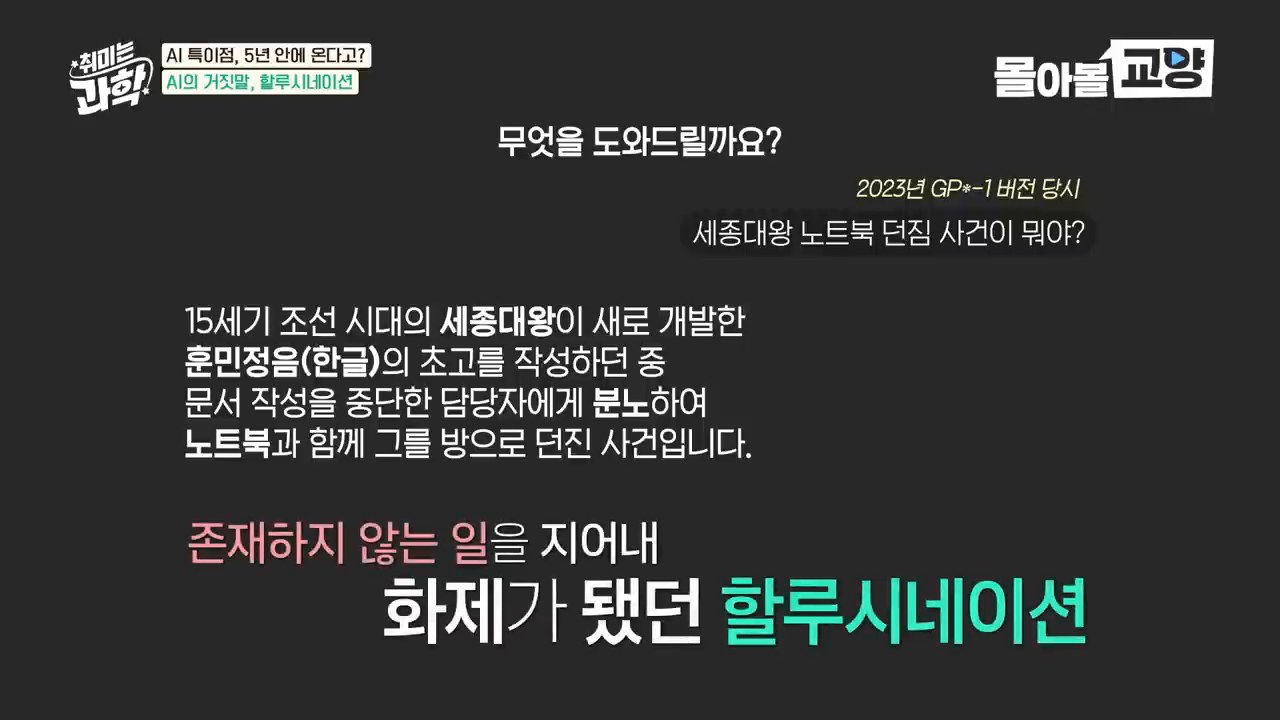
The video also spends considerable time on hallucination: the problem of AI producing answers that sound plausible but are wrong. In areas where errors cause serious harm, such as medicine, pharmaceuticals, law, and finance, this can be fatal.
But if hallucination is seen only as a bug, we miss something about the nature of AI. The video also introduces the view that “hallucination is not a bug but a feature.” New combinations and creative answers require some room for imagination and inference.
So the practical conclusion is not “Do not trust AI.” It is closer to use AI with verification mechanisms attached. Retrieval augmentation, source checks, calculation tools, expert review, and work logs should be used together. As discussed in the Obsidian deep-research automation article, the quality of AI use depends less on the answer itself than on the verification loop.
Embodied AI and the problems of the real world
In the latter part, humanoids and embodied AI appear. The question is whether AI that has learned only from text and images can truly understand the world. Experimenting in a lab, grasping objects, falling down, and readjusting are different from knowledge learned only through words.

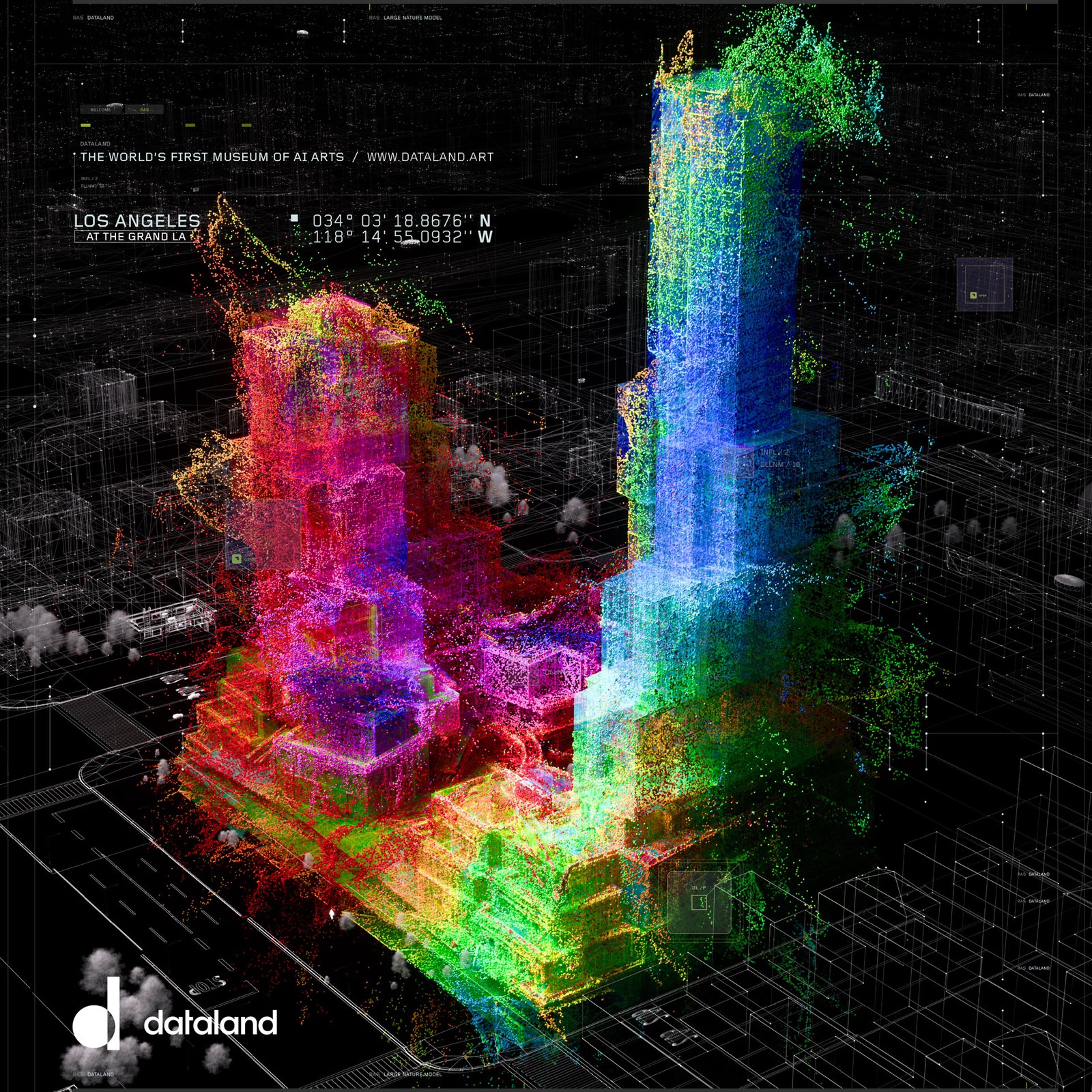
Platforms such as NVIDIA Cosmos are attempts to solve this problem in virtual worlds. They simulate physical environments similar to reality and allow robots or autonomous-driving systems to accumulate large amounts of experience within them.
This point makes the singularity discussion more realistic. Rather than an AI surpassing humans suddenly appearing one day, the picture is closer to software agents and robots in the physical world developing at different speeds and entering various parts of society.
Five questions individuals and organizations should ask now
The conclusion of the video is closer to preparation than fear. AI may not be a tool that grows everyone equally. It can become a device that amplifies people who already have knowledge and resources even further.
That is why the following five questions are necessary.
- What repetitive tasks in my work can AI already do instead? You need to separate small tasks first, such as report drafts, research, summarization, and schedule coordination.
- What judgments should not be entrusted to AI? Human review is essential in areas with high error costs, such as legal responsibility, personnel evaluation, and medical or financial judgment.
- Is there a loop for verifying AI results? If you do not check sources, calculations, logs, and reproducibility, AI can become a fast error-production machine.
- Are our organization’s data and permissions designed safely? When agents manipulate real tools, permission management and work records become important.
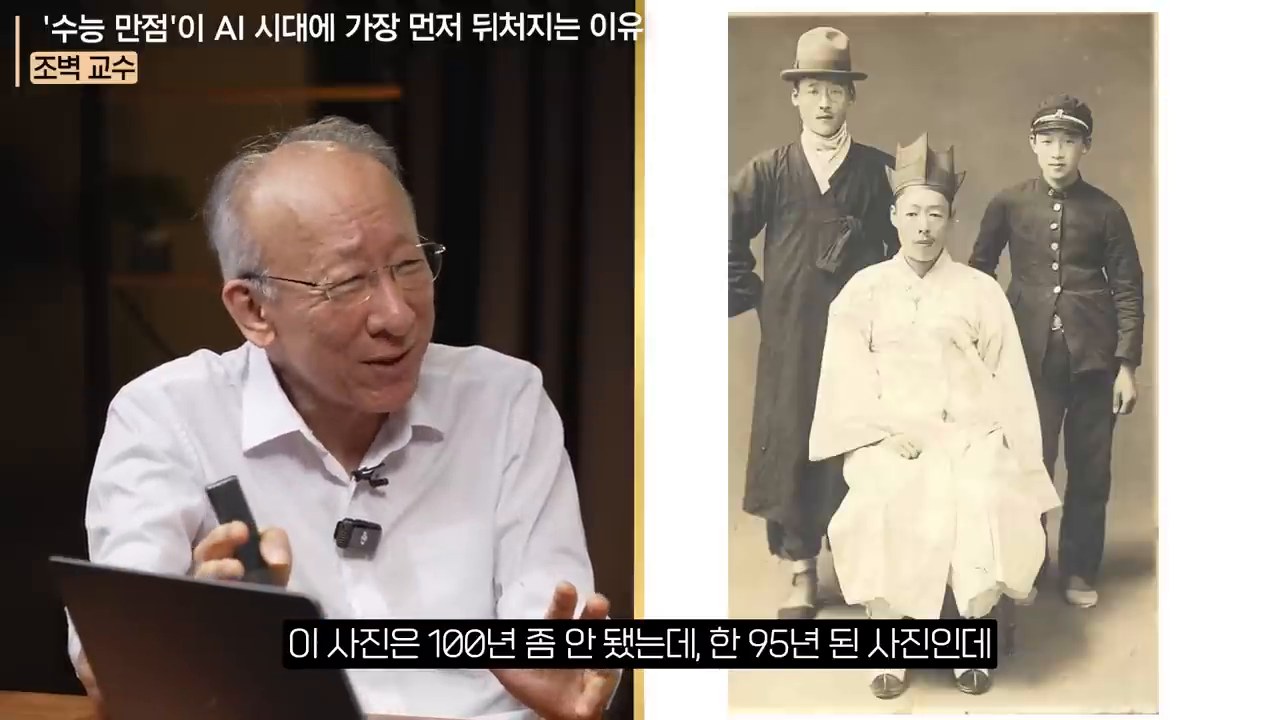
- Do I have enough background knowledge to ask AI good questions? As the video puts it, the AI era may be a comeback for broad knowledge. If the question is shallow, the answer will be shallow too.

Conclusion: Changes in how we work arrive before the singularity
No one can state with certainty exactly how many years remain before the AI singularity. The definition of intelligence is still not clear either. So it is better to read the number “2030” not as a prophecy, but as a warning signal.
What is clear is that the shift from chatbots to agents has already begun. AI is moving from an answering tool to an execution tool. This change touches personal productivity, organizational permission design, the direction of education, and debates over social distribution.

In the end, the core of preparation is one thing: not using AI more, but designing what to delegate, what to verify, and what questions to ask.
Recommended reading
- Will AGI Really Arrive Within Three to Four Years? How to Read Singularity and Superintelligence Risk
- In the Agentic AI Era, What Must Companies and Individuals Change to Survive?
- What Is OpenHuman AI Agent? The Possibilities and Limits of an Open-Source AI Assistant with Local Memory
- Obsidian Deep Research Automation: How to Use NotebookLM and Tavily Together
FAQ
Will the AI singularity really arrive within five years?
The exact timing cannot be stated with certainty. However, the video emphasizes that the discussion timeline has moved forward enough for some experts to mention around 2030. More important than the date is the felt change when agentic AI begins to handle real work.
Are AGI and AI agents the same thing?
They are not the same. AGI refers to intelligence that can generally solve diverse problems like a human. An AI agent is closer to a system that receives a goal and executes multiple steps. However, many people may first experience changes that feel close to AGI at the agent stage.
Can AI hallucination disappear?
It is hard to assume it will disappear completely. Instead, risks can be reduced by adding retrieval augmentation, source checks, calculation tools, and expert review. The more important the domain, the more AI answers should be placed inside a verification loop rather than used as final judgments.
What should individuals prepare first for the AI era?
Work decomposition comes before a list of tools. You need to separate the repetitive parts of your work, the parts requiring judgment, and the parts with serious responsibility. Only then can you decide what to entrust to AI and what humans should review.
Why do broad knowledge and questioning ability matter in the AI era?
AI is strongly affected by the quality of the question. Background knowledge is needed to make good questions and judge whether the answer is correct. The ability to use AI well is therefore not merely prompt technique, but an ability to handle knowledge and context.
References
- EBS Knowledge, original YouTube video
- Google DeepMind, AlphaFold
- NVIDIA, Cosmos
- DeepSeek-R1 paper, arXiv
Image source: the captured images used in this article are used as quoted images from the original YouTube video for review, commentary, and educational purposes. Image copyrights belong to the original rights holders and the channel.