
Korea’s potential is sometimes hardest for Koreans themselves to see. Subways arrive on time, cities keep moving at night, and the rapid rise of education, industry, and technology feels ordinary. To an outsider, it looks different: not everyday convenience, but the accumulated strength of a society.
The full Knowledge Inside interview with Professor Mark Peterson shows that perspective well. A scholar who has studied Korea for nearly sixty years is most useful not as simple praise, but as a mirror for both Korea’s strengths and its risks.

Looking back on Korea in the 1960s, Peterson says the country was poor, but it did not feel like permanent poverty. What he noticed was people’s eyes: students who wanted to study economics to build the nation, and others who studied East Asian studies to understand Korea anew.
This makes the Miracle on the Han River more than a set of economic indicators. Industrialization, education fever, national strategy, and diligence matter, but underneath them was a collective belief that “we can change.”
## Continuity visible in Korean surname cultureThe interview discusses the surnames Kim, Lee, and Park. Peterson finds it interesting that royal surnames did not disappear but remain widespread. In many countries, old royal families were eliminated when dynasties changed; Korea preserved more continuity in names, genealogies, and local memory.
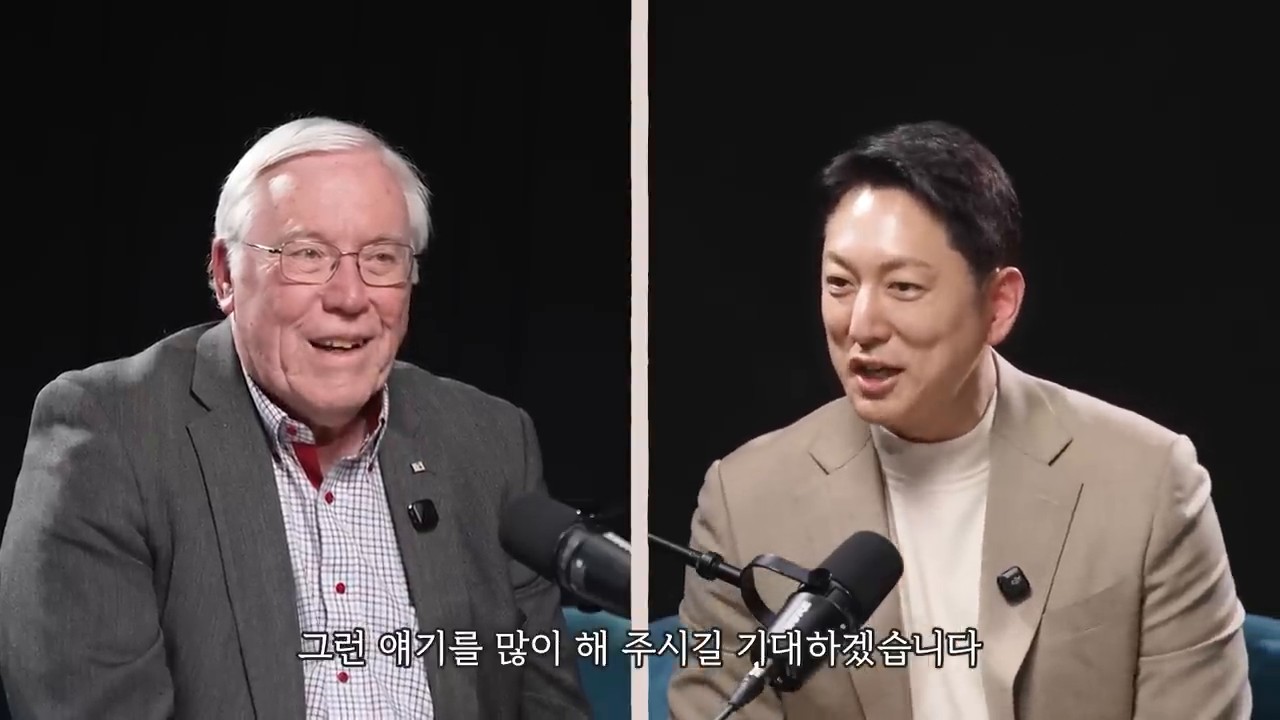
This does not explain all of Korean history in one sentence. But it makes us think about how Korea often preserved the past instead of simply erasing it.
## The Miracle on the Han River was the result of habits that made the impossible possibleThe Miracle on the Han River is usually explained through growth rates, exports, industrialization, and infrastructure. The interesting part of the video is its focus on attitude rather than numbers. Peterson says Koreans had hope and a will to learn and build even during poverty.
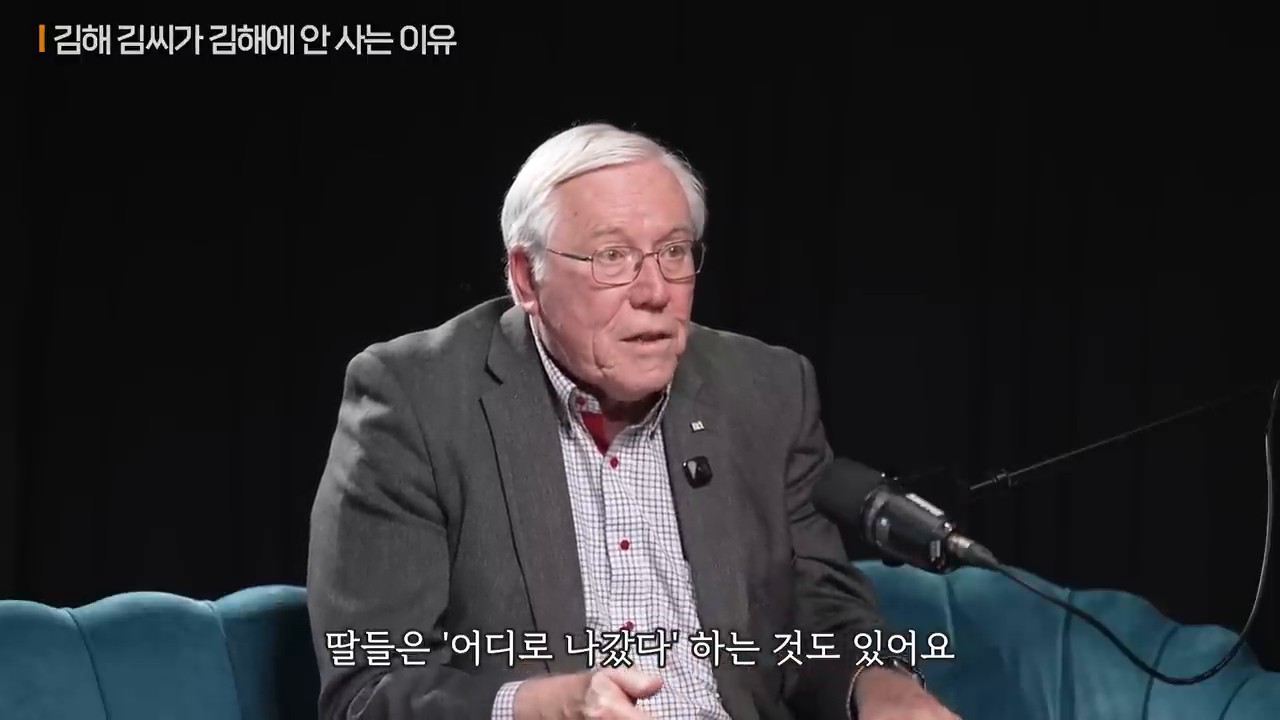
Foreigners are often surprised by Korea’s subway system for the same reason. Koreans see it as daily infrastructure; outsiders see a highly integrated system of cleanliness, connectivity, safety, speed, and information.
## The story of Yi Sun-sin is about responsibility, not only tacticsYi Sun-sin is a symbol of tactics and victory, but Peterson’s emphasis is not only military genius. The story also concerns responsibility under difficult conditions and the will to protect the community despite political pressure.
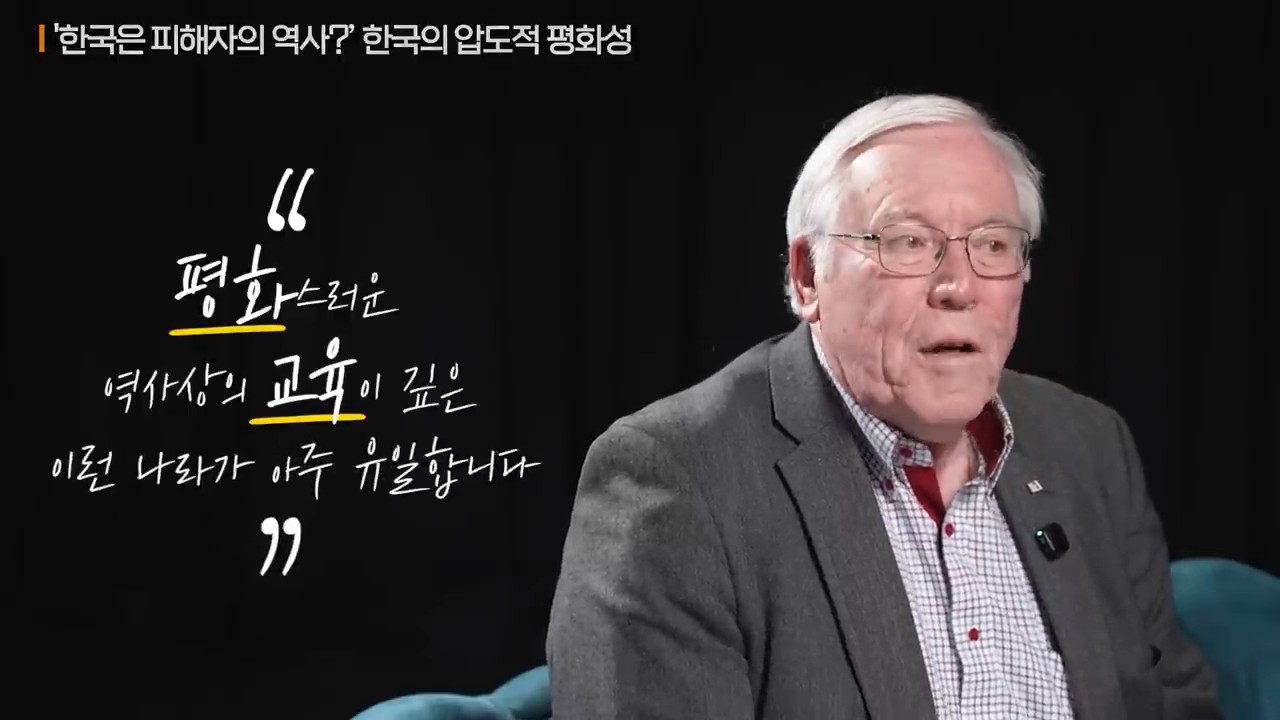
This connects to Korea today. Korea’s competitiveness lies in fast execution and learning ability. But for that strength to last, responsible leadership and public-mindedness must accompany it.
## Korean language and respect culture are strengths, but also burdensPeterson notes that Korean is difficult. Honorifics, relational expressions, and context-reading are woven tightly into the language. This reflects a culture of respect.
At the same time, it can become a burden. If relationships are tracked too finely, a single word becomes hierarchy and evaluation. Respect is an asset, but if it turns into excessive competition, fear of failure, and constant monitoring of others’ reactions, it blocks potential.
## Low birthrate is the most realistic warning against Korea’s potentialThe heaviest topic in the latter part is low birthrate. Peterson does not treat it as merely personal choice. When raising children becomes too expensive, private education becomes overheated, and parenting feels like a financial project, young people inevitably see childbirth as a burden.
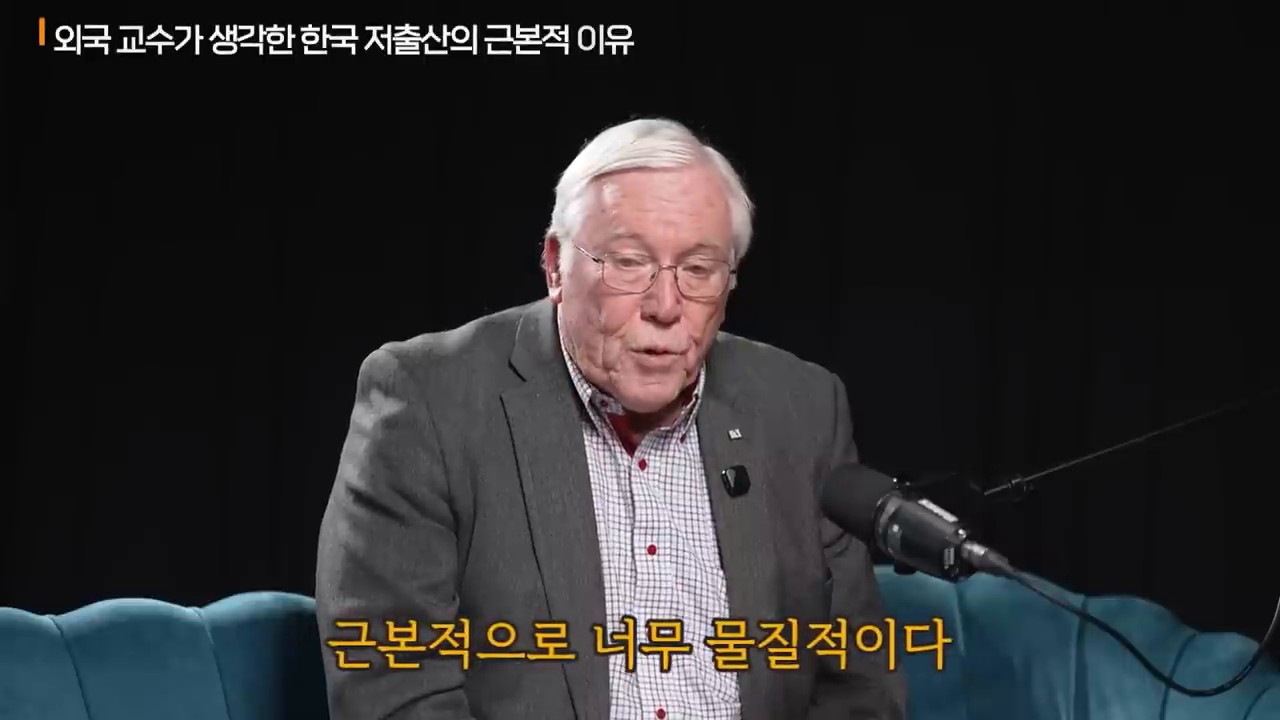
Korea’s potential comes from people. If the next generation shrinks and raising children becomes an excessively expensive project, society’s energy weakens. Low birthrate is therefore not only welfare policy; it is directly tied to national competitiveness.
## Five questions for seeing Korea’s strength again- Which everyday Korean systems would look extraordinary to an outsider?
- Does education still create possibility, or only competition costs?
- Can respect culture remain humane without becoming hierarchy?
- Are fast execution and responsibility developing together?
- Can the next generation inherit Korea’s accumulated strengths?
The video is interesting not because it exaggerates Korea’s greatness, but because it reflects back what Koreans overlook. Korea’s potential is not a completed trophy; it is the habit of learning quickly, rebuilding, and turning crisis into opportunity.
But that strength is not automatic. If education hardens into cost competition, low birthrate becomes structural anxiety, and respect culture remains only hierarchy, potential will be exhausted. The question is not “Is Korea great?” but “Are we making Korea’s strengths usable for the next generation?”
## Related reading- Intellectual property and future technology
- Future talent in the AI era
- Why the 2026 local election matters
- Creative thinking in the AI era
Image source: Captured images used in this article are stills from the original YouTube video. They are used for review, commentary, and educational explanation, and copyright remains with the original rights holders and the channel.