
This fuller English version follows the Korean source’s broader argument: intellectual property is not a dry legal topic. It is one of the systems that determines whether future technology becomes a national asset, a copied commodity, or a lost opportunity.

Original Korean article: 지식재산과 미래 기술, 한국이 ‘카피를 막는 나라’가 된 이유
Why Intellectual Property and Future Technology Must Be Seen Together
The source article begins by connecting imagination, invention, law, and markets. A new idea matters only when it can be recorded, protected, shared, improved, and commercialized. Intellectual property provides that bridge. It gives inventors a reason to disclose their inventions instead of hiding them, while giving society access to knowledge that can become the basis for further innovation.
Patents are an exchange between disclosure and reward
A patent is not simply a monopoly. It is a bargain: the inventor publicly explains the invention, and society grants temporary exclusive rights. After that period, the knowledge enters the public domain. This is why patent documents are valuable technical literature, not only legal documents.
Korea Has Become a Country That Must Protect Its Own Ideas
The article explains that Korea’s position has changed. In the past, Korea was often seen as a fast follower that learned from advanced countries and improved products through manufacturing skill. Today Korean brands, content, technology, cosmetics, batteries, semiconductors, food, and entertainment travel globally. That success creates a new problem: others copy Korean ideas.
K-brand protection and AI watermarking
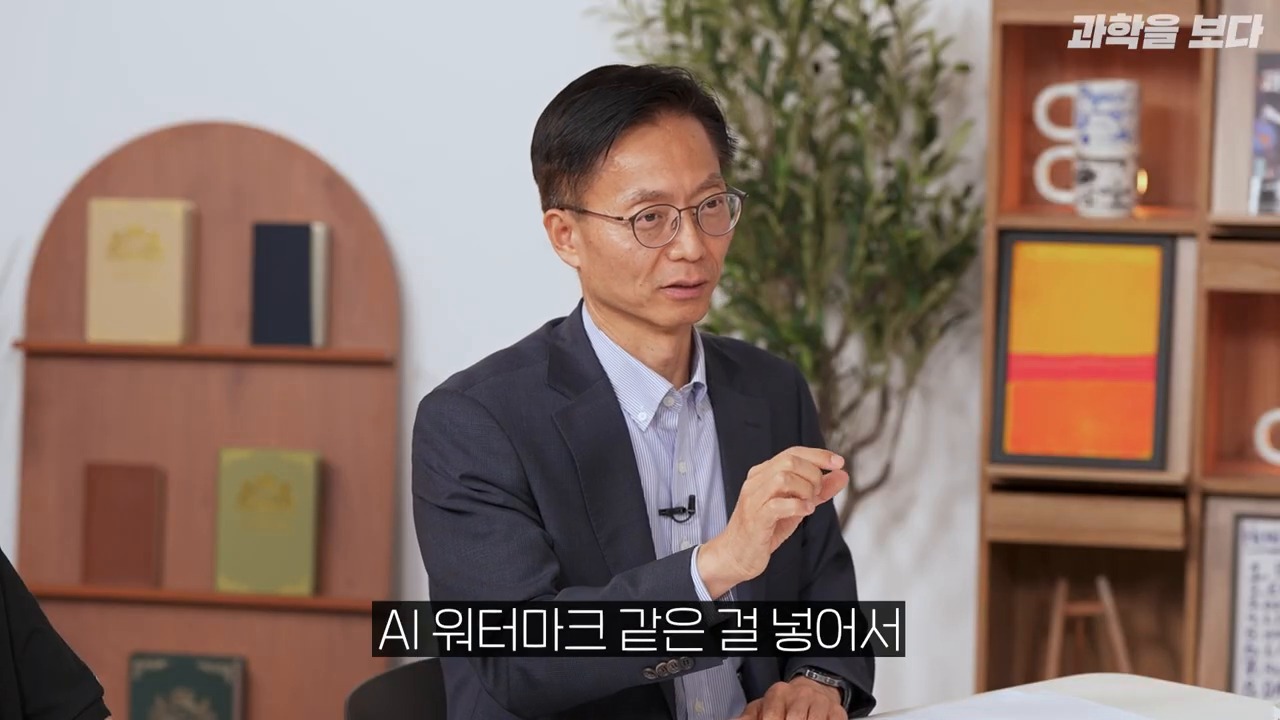
Protecting K-brands now includes trademarks, design rights, copyright, patents, and digital authenticity. In the AI era, watermarking and provenance also matter because images, voices, product photos, and marketing materials can be imitated easily. Brand value becomes vulnerable when customers cannot distinguish official products from copies.
Patent Strategy Is Part of Innovation Strategy
The Korean source emphasizes that making technology and owning technology are different. A company may build a product but fail to secure the rights that protect it. Another company may observe the market, file surrounding patents, and control the business later. For startups, universities, and research teams, intellectual property strategy must begin early.
Creating technology and owning it are different
A patent portfolio can defend a product, attract investment, create licensing revenue, and support global expansion. But careless filing can also waste money. Teams need to identify what is truly novel, what competitors may copy, and what should remain a trade secret. The point is not to patent everything; it is to protect the core.
Everyday Inventions Come From a Shift in Perspective
The Korean scrub towel and kimchi refrigerator
The article uses familiar examples to show that invention is not only about laboratories. The Korean exfoliating towel changed a bathing habit into a product. The kimchi refrigerator solved a specific cultural and household need by controlling temperature and fermentation. These examples show that valuable invention often begins with discomfort in ordinary life.
The lesson is that future technology may start from a small observation: a repeated inconvenience, a cultural practice, a new use case, or a neglected user group. Intellectual property turns that observation into an asset when it is documented and protected.
Space Technology Is a Laboratory for Future Technology
GPS, medical equipment, and cordless tools
The source points to space technology as a testing ground. Technologies developed for harsh environments often return to everyday life. GPS, advanced materials, sensors, medical imaging, water purification, and cordless tools show how extreme technical challenges create civilian benefits.
This is why national investment in advanced technology cannot be judged only by immediate profit. Space, defense, energy, and AI research can generate spillovers that reshape entire industries.
What Is the Last Invention in the AI Era?

AI and self-replicating technology
The article raises a philosophical and practical question: if AI can help invent, what remains uniquely human? One concern is self-replicating technology: systems that design, build, or improve themselves without enough control. In such a world, intellectual property, safety standards, and human responsibility become even more important.
AI may generate designs, code, molecules, or mechanical concepts. But humans must still decide what should be made, what risks are acceptable, who owns the result, and how society should benefit. The “last invention” question is really a question about governance.
Intellectual Property Education Is Future Competitiveness
An invention becomes an asset when it is recorded
Students and workers should learn not only how to be creative, but also how to record ideas, search prior art, respect others’ rights, and protect their own work. A notebook, a prototype log, a disclosure form, or a simple documentation habit can become the difference between a passing idea and a defendable asset.
Conclusion: Future Technology Combines Imagination and Institutions
The source article’s conclusion is that future technology does not emerge from imagination alone. It also needs institutions that protect ideas, reward disclosure, prevent copying, and support responsible commercialization. Korea’s task is no longer only to catch up. It is to protect and develop the ideas it now creates.
Related Reading
Continue with these related Thinknote English articles in the Digital Transformation cluster.
- Thinknote English article
- Thinknote English article
- Thinknote English article
- Thinknote English article
- Thinknote English article
- Thinknote English article
FAQ
What is this article about?
This article explains a digital transformation, platform, market-structure, or technology-adoption topic with Korea-specific context and global implications.
How should I use this guide?
Use it to understand market signals and strategic patterns. Combine it with current market data before making business or investment decisions.
Where can I read the original Korean article?
The original Korean article is available here: Intellectual Property and Future Technology: Why Innovation Needs Protection.