
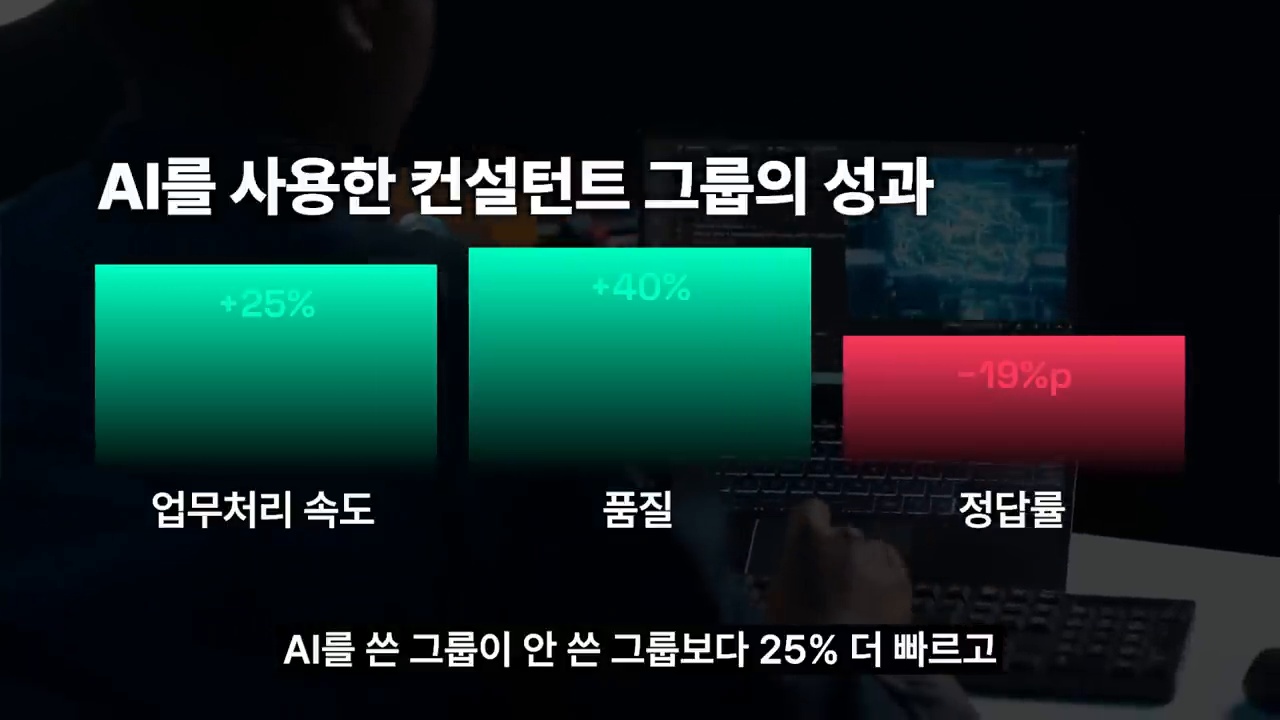
This English version is a fuller translation and adaptation of the original Korean article, AI를 쓸수록 똑똑해지는 사람의 6가지 습관, for global readers. The question of whether using AI makes our thinking faster or weaker depends on how we use it. A video by the Research Institute of Reading and Learning connects experiments by MIT Media Lab, Microsoft Research, Harvard Business School, and BCG to explore this question.
Original Korean article: AI를 쓸수록 똑똑해지는 사람의 6가지 습관
AI Use Crossroads: Cognitive Crutch or Thought Expansion
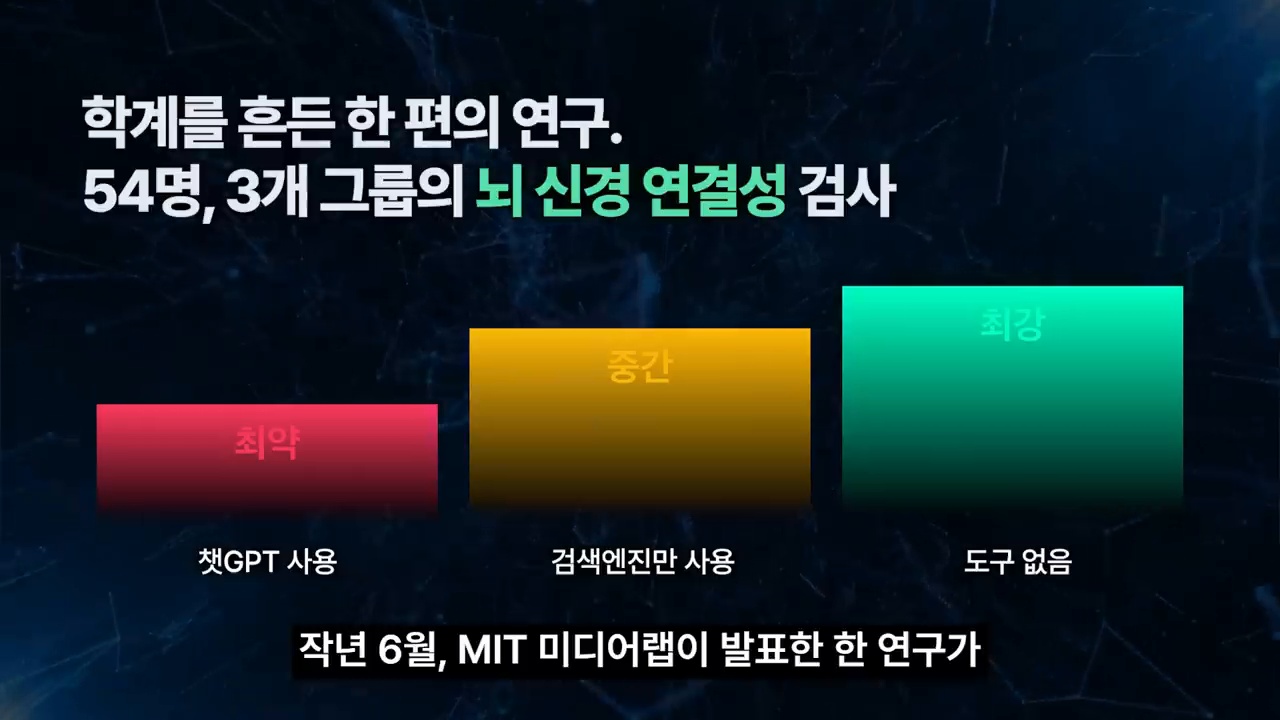
The video begins with a research case from MIT Media Lab, comparing groups that used GPT to write essays, those who used search engines, and those who wrote without any tools. The results showed that the group using GPT had weaker brain neural connections, which the video describes as “cognitive crutch.” However, the key point is that using AI itself is not the problem; the difference lies in the user’s thinking habits.
1. People with Expertise in Their Field
To judge the accuracy of AI-provided answers, one needs a standard, which comes from expertise in their field. People with expertise do not simply copy AI answers; they verify the facts, adjust them according to context, and connect them with their own experiences. On the other hand, those lacking field knowledge may not notice AI errors, making AI a substitute for judgment rather than an assistant.

2. People Who Understand How AI Works
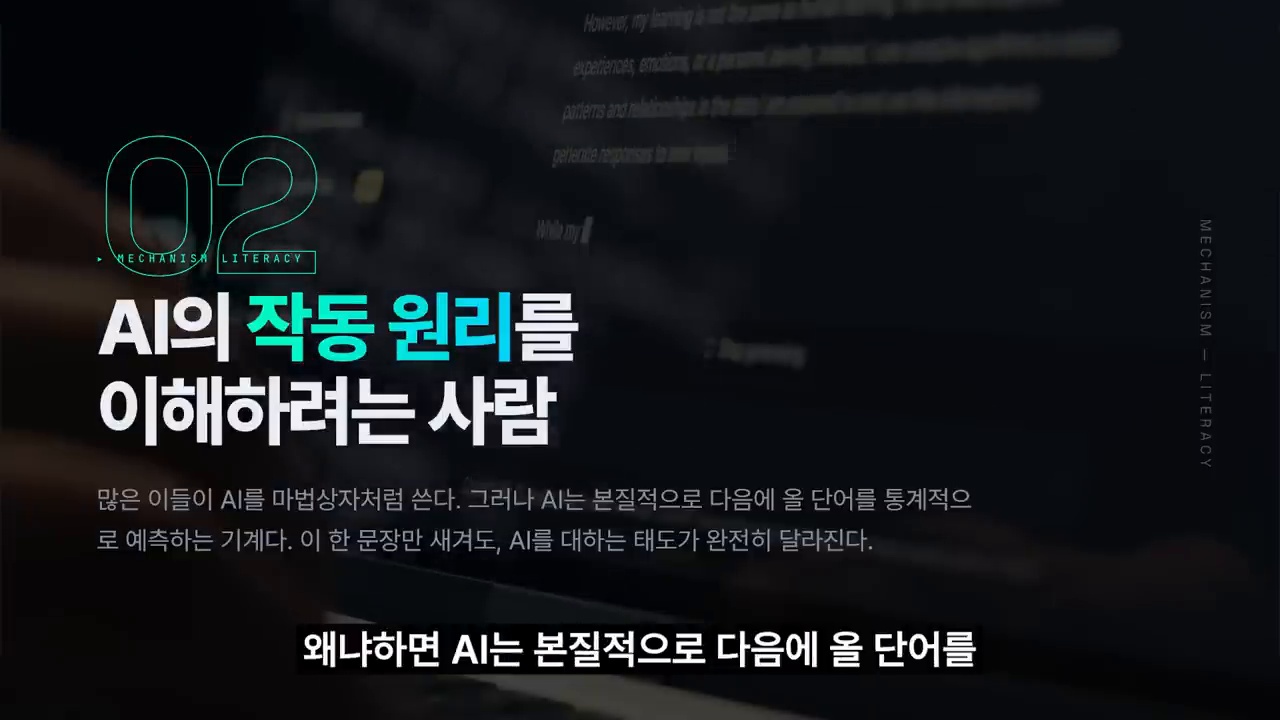
Using AI like a magic box is dangerous. While it provides answers, these are based on predicting the next word, not understanding the truth. Knowing this principle changes one’s attitude towards AI answers, distinguishing between “plausible sentences” and “verified facts.” Assuming AI can be wrong makes the results safer.
3. People with High Metacognition
Metacognition is the ability to know what one knows and what one does not. In the AI era, this ability is more crucial. Those who are unaware of their knowledge gaps may accept AI answers without question. In contrast, people with high metacognition place AI in its correct position, asking questions and rephrasing answers in their own words, leading to actual learning rather than mere consumption of answers.
4. People Who Design Questions Precisely
The quality of AI answers largely depends on the quality of the questions. A good question is not just a lengthy prompt but involves clarifying goals, context, constraints, and desired outcomes. For example, instead of asking “Tell me about study methods in the AI era,” it’s better to ask:
- Explain from the perspective of a working professional, not a high school student.
- Distinguish between work productivity and learning capabilities.
- Provide practical, achievable standards rather than exaggerated forecasts.
- Include a checklist for immediate action.
The process of designing questions itself is a thought-training exercise. Those who ask good questions to AI first organize their own thoughts.
5. People Who Do Not Blindly Believe AI Answers
The video strongly emphasizes critical thinking. The more one relies on AI, the less one verifies. Especially with high-performance AI, the risk increases because the answers seem natural and persuasive. Therefore, AI results should be considered drafts. Always check numbers, sources, legal, medical, or policy information, and important decision-making aspects. People who use AI well do not verify to distrust AI but to achieve better results.

6. People Who Intentionally Secure Time Without AI
The video’s final point is the importance of “AI-free time.” Time for reading, reflection, direct experience, and deep conversation is necessary. While AI quickly generates drafts, relying on it for the initial stages of thought can weaken one’s thinking muscles. Those who think with their own minds first use AI better. In contrast, relying on AI from the start confines one within the framework AI creates.
Practical Checklist for Using AI in Real Work
To become smarter while using AI, make the following steps a habit:
- First, write down your thoughts, even briefly.
- Clearly inform AI of your goals and context.
- Divide answers into facts, interpretations, and suggestions.
- Re-check important content for sources and numbers.
- Do not use AI answers as is; reconstruct them in your own words.
- Allocate some time each day or week for reading and thinking without AI.
This checklist applies not only to studying but also to writing reports, planning, content creation, and decision-making.
Conclusion: What Matters More Than AI is the Depth of the Person Using It
AI can either replace thought or expand it; the difference lies in the user’s attitude. Expertise, understanding of AI’s working principle, metacognition, precise question design, critical verification, and AI-free time are crucial. When these six elements are present, AI becomes a tool for growth, not dependence. As tools become more powerful, human depth is more necessary. The core competency in the AI era is not the ability to use AI extensively but the ability to maintain one’s judgment and thought while using AI.
Related Reading
Continue with these related Thinknote English articles in the Digital Transformation cluster.
- Thinknote English article
- Thinknote English article
- Thinknote English article
- Thinknote English article
- Thinknote English article
- Thinknote English article
FAQ
What is this article about?
This article explains a digital transformation, platform, market-structure, or technology-adoption topic with Korea-specific context and global implications.
How should I use this guide?
Use it to understand market signals and strategic patterns. Combine it with current market data before making business or investment decisions.
Where can I read the original Korean article?
The original Korean article is available here: Six Habits of People Who Get Smarter While Using AI.