This fuller English adaptation follows the Korean source on becoming AI-native. The main argument is that AI-native work is not about collecting many AI tools. It is a change in the working environment: building a digital brain, connecting agent workflows, and redesigning repeated tasks so that AI can help execute them.
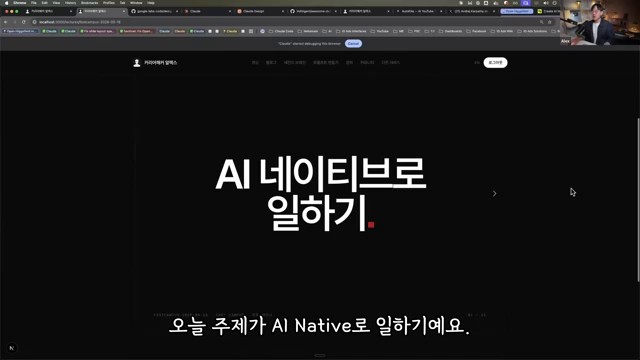
Original Korean article: AI 네이티브 전환법: 디지털 두뇌와 AI 에이전트로 일하는 방식 바꾸기
AI-Native Work Is an Environment Shift, Not Tool Usage
Many people think they are AI-native because they use a chatbot, an image generator, or a meeting summary tool. The source article argues that this is only tool usage. AI-native work begins when information, decisions, templates, and routines are organized so AI can continuously support real work.
In other words, the focus moves from “Which app should I try?” to “How should my work be structured so that AI can understand it, act on it, and improve it?”
Why Make the Transition Now?
The reason is speed. Work increasingly rewards people who can collect information, make decisions, produce drafts, and revise quickly. AI can accelerate all of these, but only when the user has prepared context. Without context, AI gives generic answers. With a well-built work system, AI becomes a collaborator that knows the user’s materials and standards.
A Digital Brain Is the Starting Point
1. Gather work materials in one place
The digital brain is a structured collection of notes, documents, examples, decisions, references, checklists, and project memory. It may live in Obsidian, Notion, Google Drive, a local folder, or another system. The tool matters less than the habit of keeping reusable knowledge accessible.
2. Document repeated work
Repeated tasks should be written down: how reports are made, how emails are answered, how meetings are prepared, how research is checked, and how approvals happen. Documentation turns invisible experience into AI-usable context.
Agent Workflows Matter More Than Chatbots
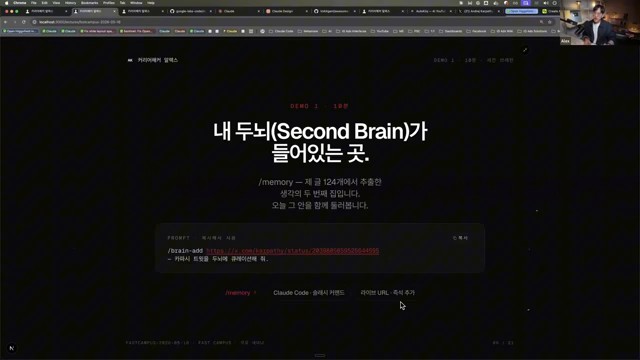
A chatbot answers once. An agent workflow can take a goal, read context, create an output, ask for review, revise, and store the result. The Korean source emphasizes that the workflow is the unit of transformation. A company does not become AI-native because employees ask random questions. It becomes AI-native when repeated work is redesigned around AI-supported loops.
3. Give AI both roles and standards
Good AI work requires more than a task request. The user should provide a role, audience, source materials, constraints, tone, examples, and quality criteria. This reduces generic output and makes review easier.
Look at Automatable Work Structure Before Code
Non-developers often assume automation requires programming first. The source article says the first step is identifying structure. Which tasks repeat? Which inputs are used? What decisions are made? What outputs are expected? Once the structure is clear, automation may be possible through no-code tools, agent workflows, scripts, or integrations.
4. Store and reuse outputs
AI output should not disappear after one chat. Useful prompts, drafts, summaries, decisions, and templates should be saved back into the digital brain. This creates a compounding effect: every completed task improves the next task.
5. Connect small automations first
Start with small, low-risk automations such as meeting summaries, research briefs, email drafts, blog outlines, file naming, or checklist generation. After these become reliable, connect more tools. The safest transition is incremental.
A Practical Sequence to Start Tomorrow
- Choose one repeated weekly task.
- Collect the documents and examples needed to perform it.
- Write the current process as a checklist.
- Ask AI to produce a draft using that checklist.
- Review the result and save the improved prompt, output, and corrections.
- Repeat until the workflow becomes stable, then consider automation.
The First Benefit: Faster Execution and Clearer Judgment
The Korean source concludes that AI-native work is not only about speed. It also clarifies judgment. When materials are organized and workflows are explicit, people can see what matters, what should be delegated, and what must remain human. AI becomes useful because the human work system becomes clearer.
Related Reading
Continue with these related Thinknote English articles in the Digital Transformation cluster.
- Thinknote English article
- Thinknote English article
- Thinknote English article
- Thinknote English article
- Thinknote English article
- Thinknote English article
FAQ
What is this article about?
This article explains a digital transformation, platform, market-structure, or technology-adoption topic with Korea-specific context and global implications.
How should I use this guide?
Use it to understand market signals and strategic patterns. Combine it with current market data before making business or investment decisions.
Where can I read the original Korean article?
The original Korean article is available here: AI-Native Workflows: How to Rebuild Work Around a Digital Brain and AI Agents.