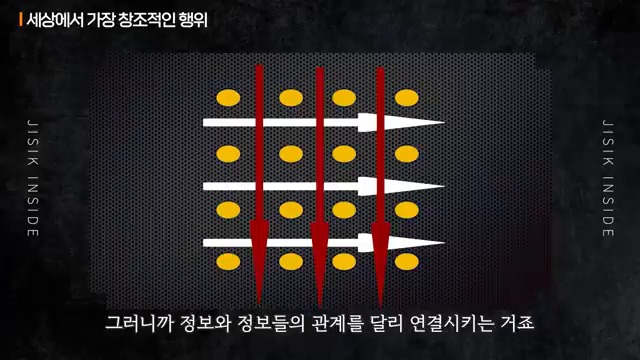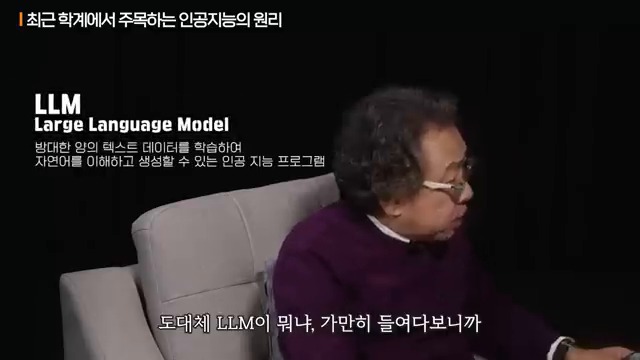
This English version is a fuller translation and adaptation of the original Korean article, “AI 시대의 승자는 무엇을 준비할까? 세바시 강연 6편에서 뽑은 핵심,” for global readers. The article explores the essential skills and mindset required to thrive in the AI era, based on a collection of lectures by six experts. As AI becomes a fundamental tool for work, study, and creativity, the true difference lies in the ability to read the changing flow, redefine problems, and create value that resonates with people.
Original Korean article: AI 시대의 승자는 무엇을 준비할까? 세바시 강연 6편에서 뽑은 핵심
Winners in the AI Era Read the Structure of Change
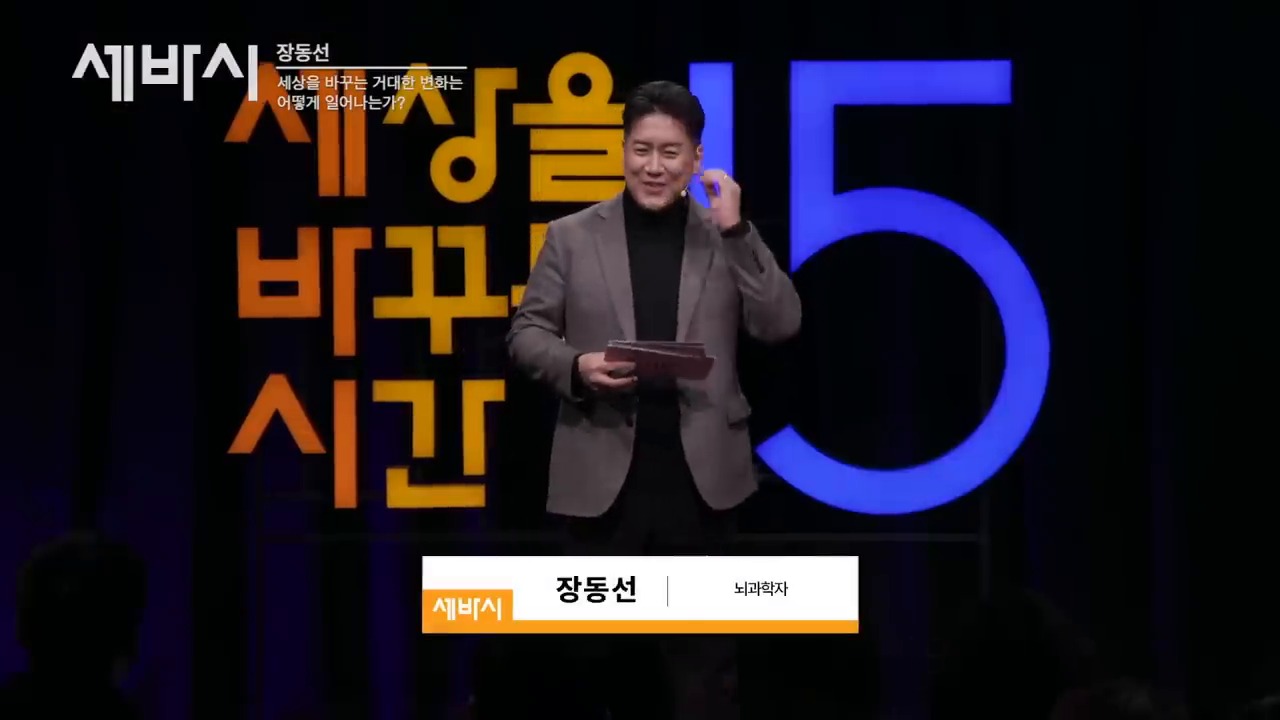
According to Jang Dong-seon, change is not just about the emergence of new products, but about altering people’s behavior, relationships, and social systems. The true power of change lies in its ability to transform these fundamental aspects of human society. In the context of AI, it’s essential to look beyond the surface level of new tools and technologies and understand the underlying structure of change.
Direction of Change is More Important than Tool Names
The names of AI tools are constantly changing, and what’s trendy today may become a basic function tomorrow. Instead of asking “which tool should I learn,” it’s more important to ask: What behavior does this technology make easier? Why do people choose this technology? What assumptions in my work are being challenged? What new expectations will customers, colleagues, and organizations have as a result of this change? Winners in the AI era focus on understanding the structure of change rather than just following new features.
In an Uncertain Future, Multiple Scenarios are Necessary
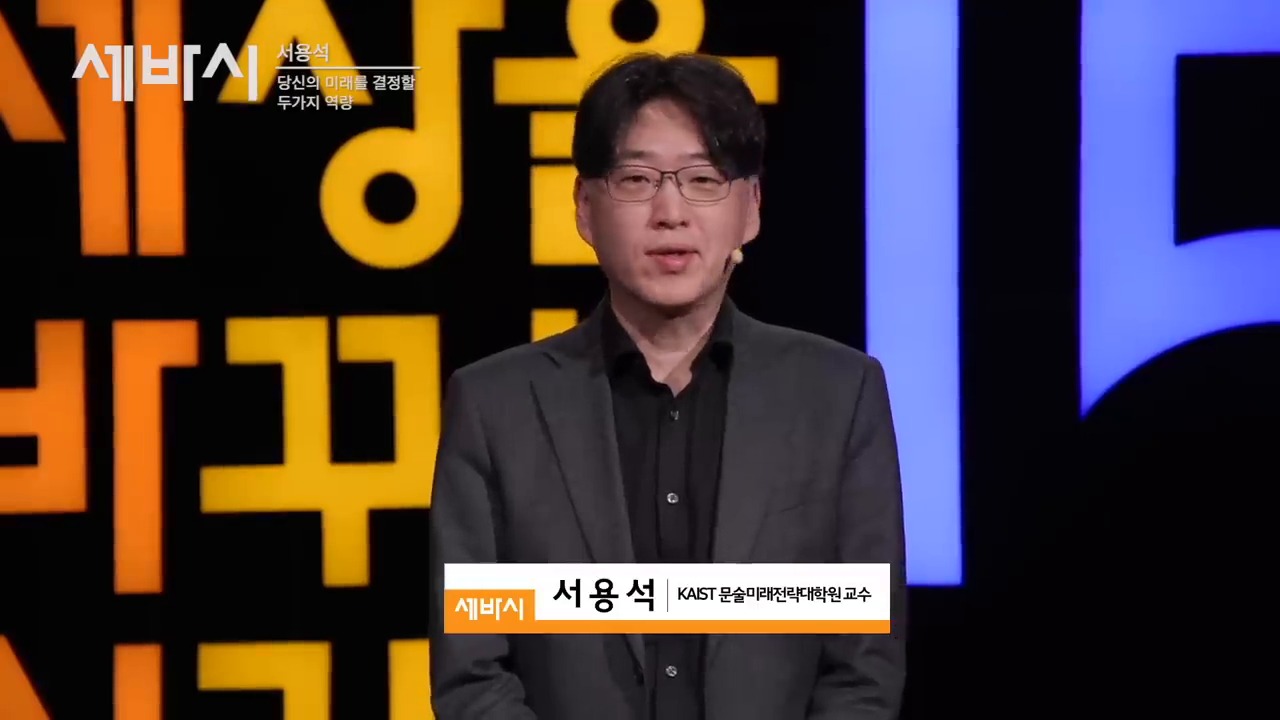
Seo Yong-seok describes the current era as one of “super uncertainty,” characterized by climate crises, geopolitical conflicts, technological shocks, and economic changes. In such an environment, making definitive predictions about the future can be hazardous. Instead, it’s essential to develop the ability to imagine multiple possible futures and prepare for various scenarios.
Future Literacy is the Ability to Reduce Shock
Future literacy is not about predicting the future accurately but about being able to imagine multiple possible futures and prepare for them. This ability is crucial for individuals and organizations to navigate the complexities of the AI era. By developing future literacy, we can reduce the shock of unexpected events and create a more resilient and adaptable mindset.
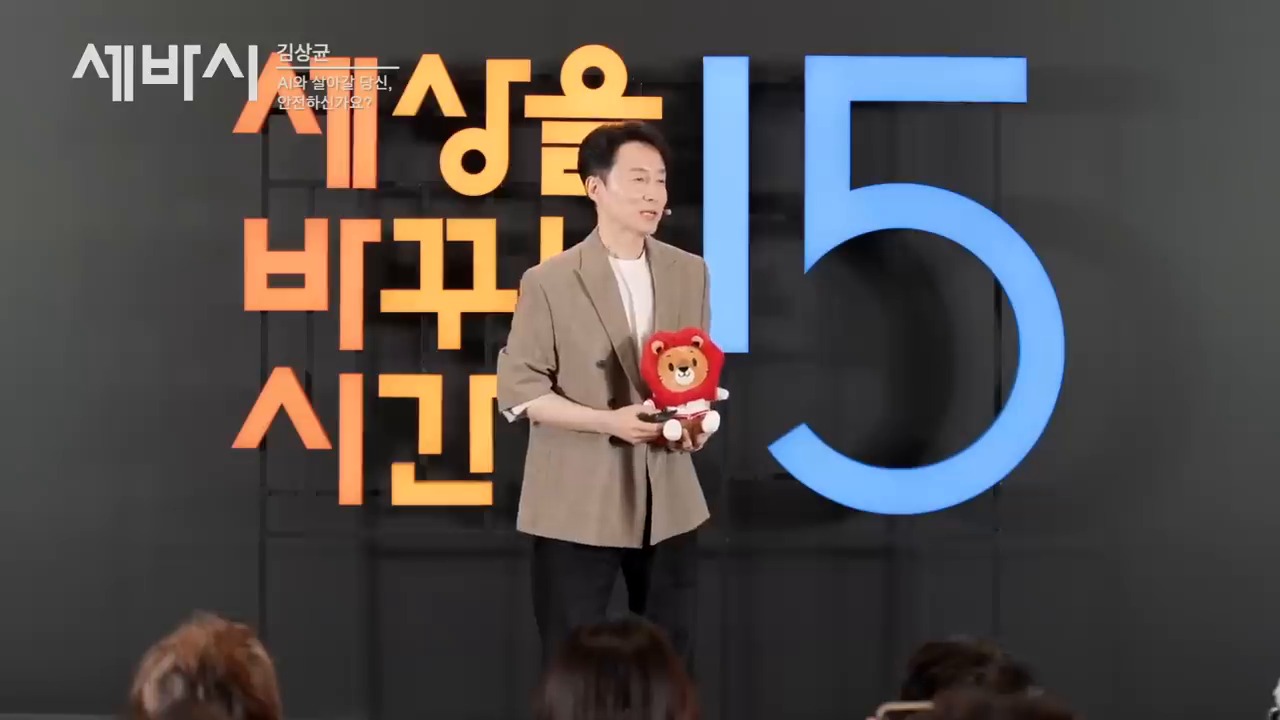
AI Proximity Increases the Importance of Human Relationship Safety Nets
Kim Sang-gyun highlights the potential for people to become emotionally dependent on AI characters and conversational technologies. As AI becomes more natural and responsive, we may start to see it as a relationship partner rather than just a machine. However, this can lead to a weakening of human relationships if we rely too heavily on AI for emotional support.
AI Utilization Ability Includes Boundary Sense
While AI can be useful for providing comfort, advice, and conversation, it’s essential to maintain a sense of boundaries and not rely solely on AI for emotional support. In the workplace, AI can assist with tasks, but human judgment, responsibility, and trust-building are still essential. A strong safety net in the AI era requires a combination of technological proficiency, boundary sense, and human relationships.
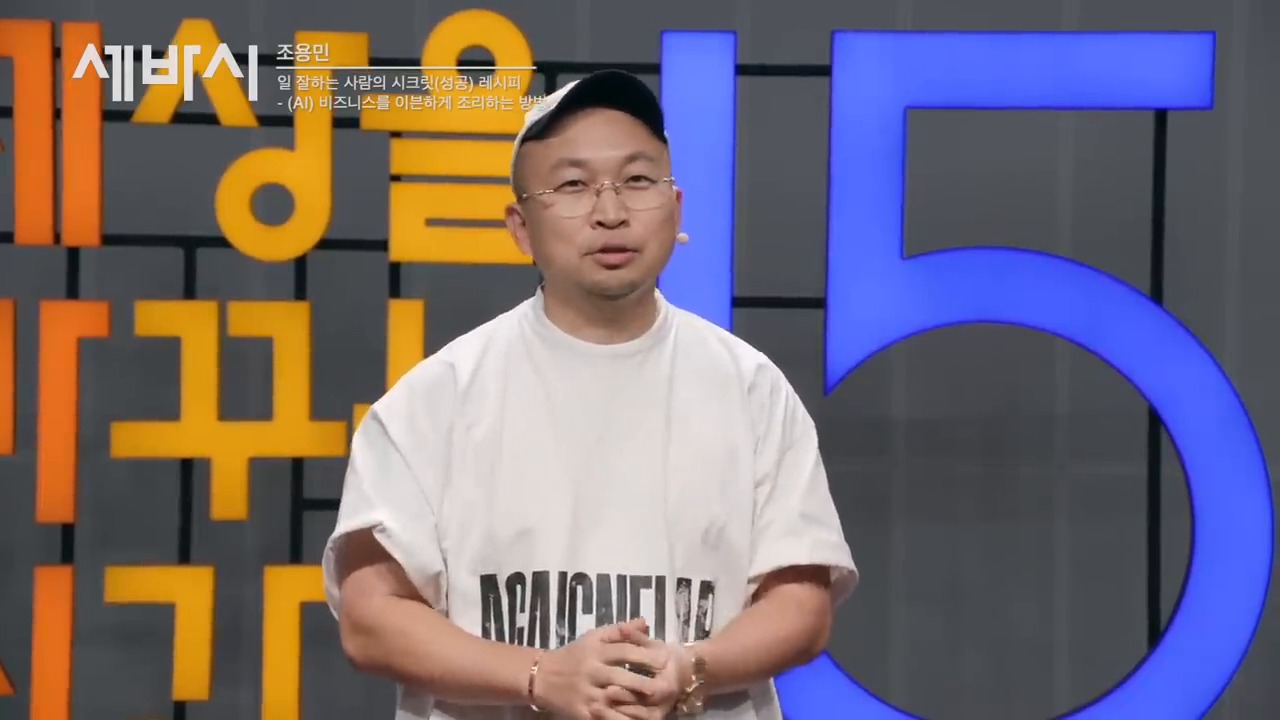
Literacy is the Basic Fitness for the AI Era
Lee Jung-mo emphasizes that literacy is not just about reading texts but about understanding information, connecting contexts, and evaluating the validity of explanations. In an era where AI can generate answers quickly, literacy is more crucial than ever. It’s essential to develop the ability to critically evaluate AI-generated content and ask questions like: What is the basis for this answer? Are there any missing conditions? Are there alternative interpretations?
Answer-Receiving Ability is Less Important than Answer-Judging Ability
AI can produce plausible sentences rapidly, but that doesn’t mean they are always accurate or relevant. It’s essential to develop the ability to judge answers critically, considering factors like context, assumptions, and potential biases. By doing so, we can use AI-generated content as a starting point for further inquiry and exploration.
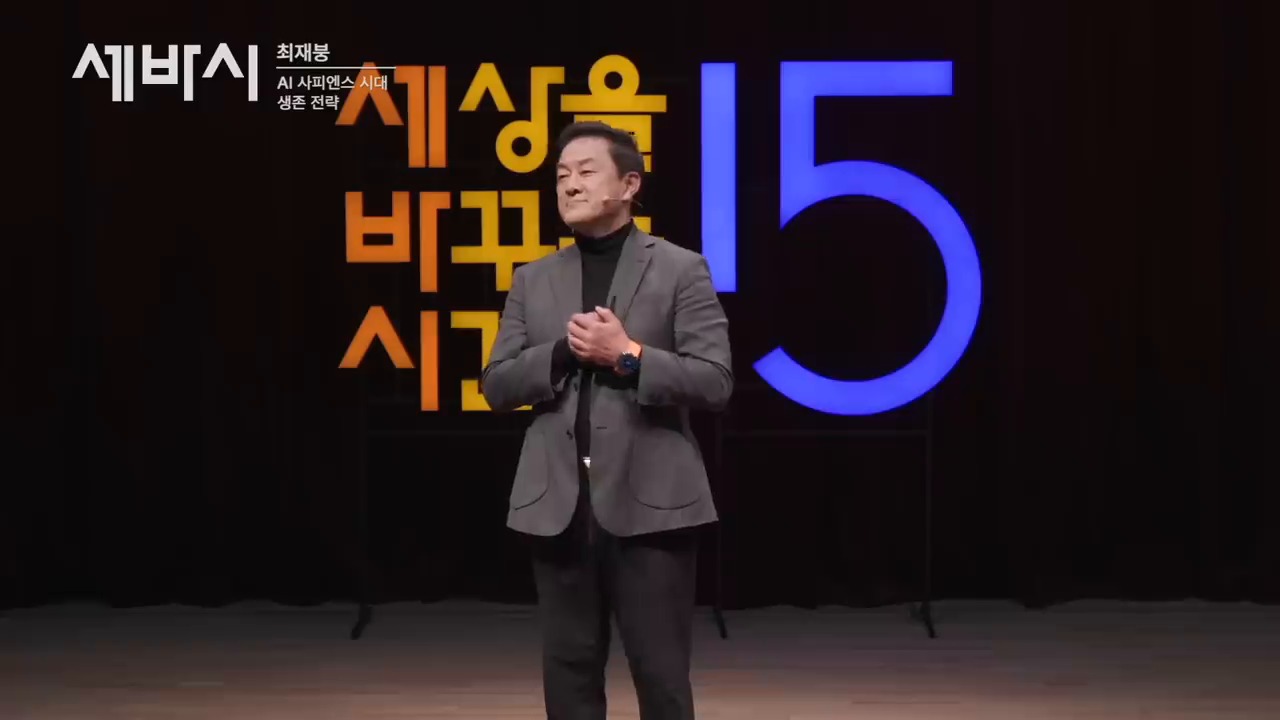
AI is a Problem-Solving Tool, Not a Technology for Show
Jo Yong-min cautions against adopting AI as a trendy technology without a clear understanding of its purpose. True utilization of AI begins when we accurately identify the problems we want to solve. It’s essential to define problems clearly, break them down into smaller parts, and distinguish between tasks that AI can handle and those that require human judgment.
Good AI Utilization Starts with Problem Definition
Instead of asking “should we use AI,” it’s more important to ask “what problem do we want to solve with AI?” By focusing on problem definition, we can use AI as a tool to enhance productivity and creativity, rather than just as a means to showcase technology.
Ultimately, Human-Selected Value is the Survival Strategy
Choi Jae-bung emphasizes that while AI can accelerate production and reduce costs, the ultimate value lies in being chosen by people. Whether it’s a product, service, or idea, its value is determined by the people who use it, interact with it, and recommend it to others. In the AI era, it’s essential to develop the ability to understand human problems, design better experiences, and build trust.
Subscriptions and Likes are Not Just Simple Buttons
Subscriptions and likes are digital signals of human selection. People invest time in things that are helpful, enjoyable, trustworthy, and meaningful to them. Companies and individuals who fail to receive these signals may struggle to survive, even with advanced AI capabilities. Therefore, preparation for the AI era requires a combination of technological proficiency, human understanding, and trust-building abilities.
Practical Checklist for Winners in the AI Era
To prepare for the AI era, it’s essential to start with small, practical steps. Here’s a checklist to get you started: Measure the time saved by using AI for one task per week, review AI-generated content for accuracy and context, distinguish between repetitive and judgment-based tasks, record customer or colleague pain points, and manage human relationships, trust, and communication alongside AI utilization. Remember, the key is not just about knowing AI but about using it to solve problems, create value, and build meaningful relationships.
Related Reading
Continue with these related Thinknote English articles in the Digital Transformation cluster.
- Thinknote English article
- Thinknote English article
- Thinknote English article
- Thinknote English article
- Thinknote English article
- Thinknote English article
FAQ
What is this article about?
This article explains a digital transformation, platform, market-structure, or technology-adoption topic with Korea-specific context and global implications.
How should I use this guide?
Use it to understand market signals and strategic patterns. Combine it with current market data before making business or investment decisions.
Where can I read the original Korean article?
The original Korean article is available here: How to Prepare for the AI Era: Literacy, Judgment, and Human Value.