
The Korean source interprets AI not as a temporary tool trend but as a civilization-level shift. In the Plus Human framing, people are not simply replaced by AI; they are pushed to combine with it. Work changes because knowledge becomes cheaper, understanding becomes more valuable, and tasks inside jobs are reorganized one by one.

Original Korean article: AI 문명 시대, 일과 직업은 어떻게 바뀌나: 김미경 플러스 휴먼 인터뷰 정리
AI Is Closer to a New Electricity
AI is compared to electricity because it can enter every industry and everyday routine. It is not one app or one device. It becomes a general-purpose capability that changes how work is produced.
This framing helps explain why people feel both excitement and fear. When a technology becomes infrastructure, every job must ask how it will connect to that infrastructure.
Different From the Internet and SNS
The internet changed information access and SNS changed communication. AI enters the way people earn money more directly because it can draft, analyze, translate, code, design, summarize, and serve customers.
That means adoption is not optional for many workers. Even if a person does not love AI, their workplace may begin measuring speed, quality, and cost with AI-assisted workflows in mind.
Knowledge Gets Cheaper, Understanding Gets Expensive
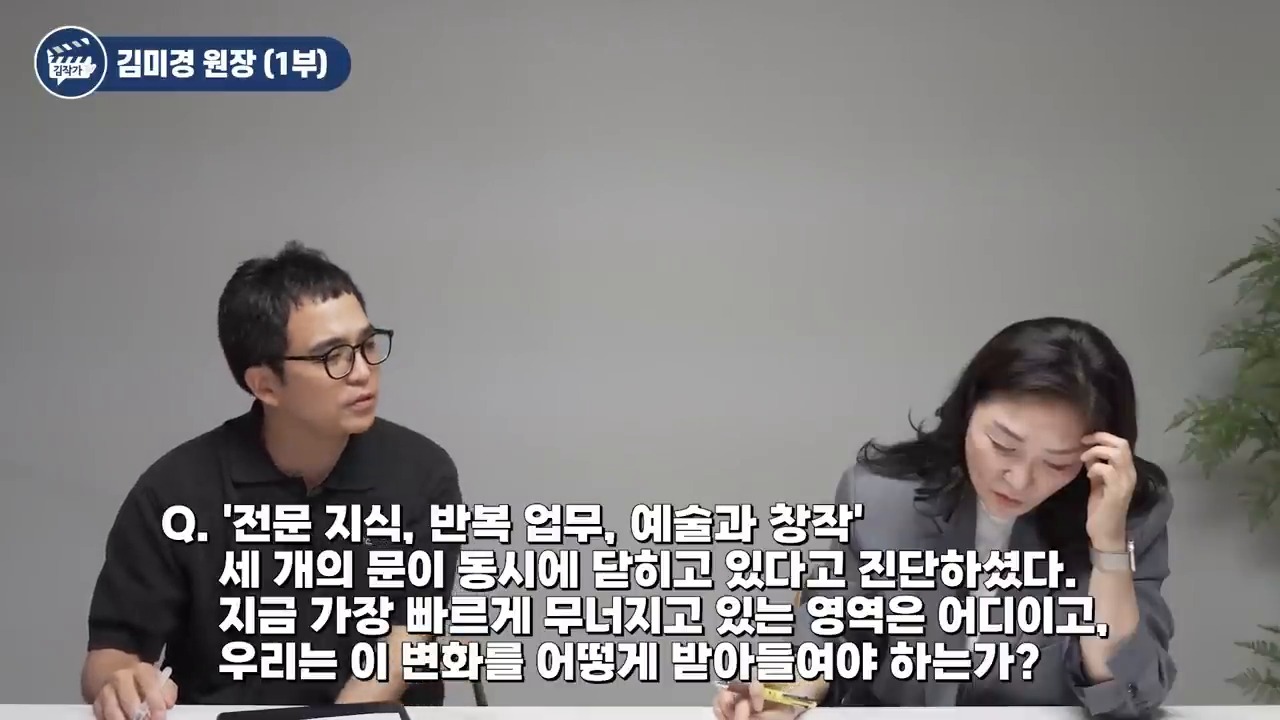
AI lowers the cost of obtaining information and producing first drafts. But understanding the user, context, emotion, risk, and business situation becomes more valuable.
The source distinguishes thinking from understanding. Mere thinking can become mechanical problem-solving; understanding includes context, empathy, motive, and judgment.
Job Risk Arrives by Task, Not All at Once
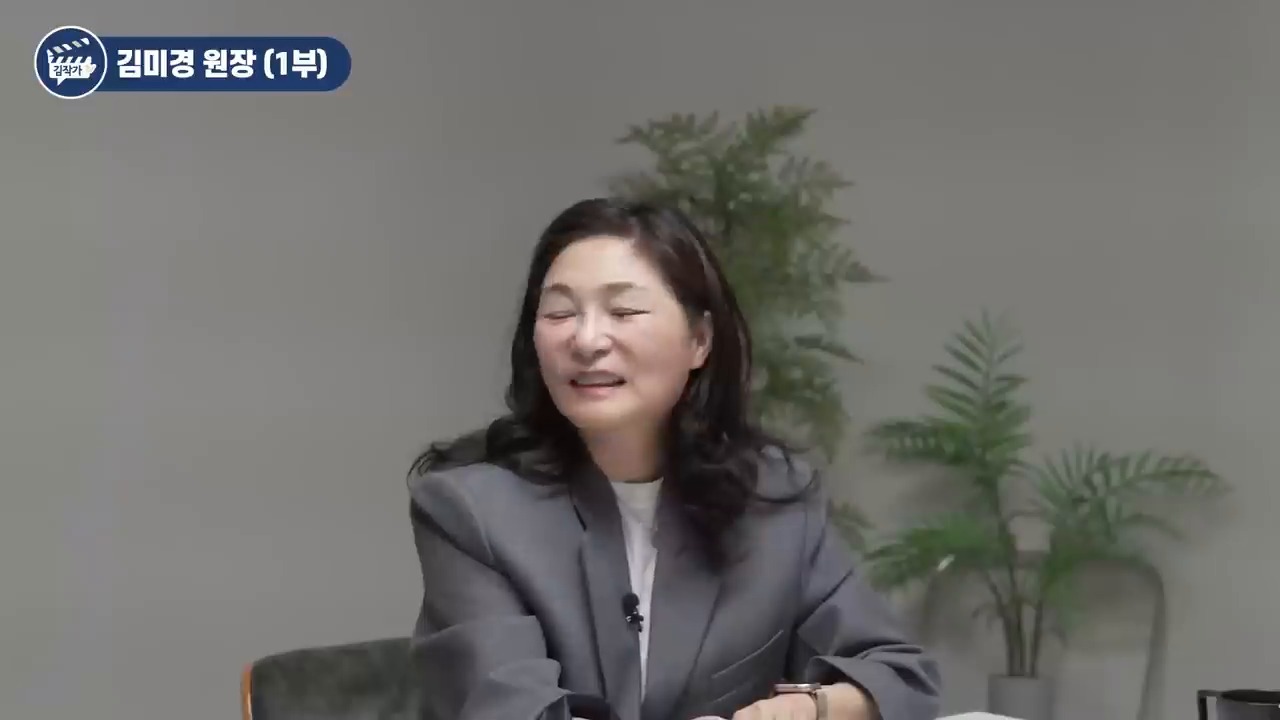
The article avoids a simplistic “all jobs disappear” claim. Work is made of tasks, and AI enters tasks unevenly. Repetitive writing, summary, search, reporting, and analysis may change quickly; human-facing judgment may change differently.
Therefore the practical question is: which parts of my job can AI do, which parts require human review, and which parts become more important because AI handles the rest?
Look at Opening Doors, Not Only Closing Doors
Some doors will close, but new roles appear around AI operation, review, integration, data preparation, training, content strategy, and human-centered service.
The Plus Human attitude is to search for combinations. A person who knows a domain and learns AI can often create more value than either pure technology knowledge or old experience alone.
Immediate AI Adaptation Checklist
Find repetitive organizing tasks. Design questions instead of only searching. Reduce first-draft time and increase review time. List the tasks you can delegate to AI. Train understanding that only humans can provide.
This checklist turns anxiety into action. The goal is not to become an AI engineer overnight; it is to redesign one’s own work with AI as a partner.
Plus Human Means Combining With AI
A Plus Human is not someone who passively waits to be replaced. It is a person who adds AI to their thinking, production, communication, and learning while keeping human judgment.
This requires humility and agency at the same time: humility to learn new tools, agency to decide how those tools serve real human goals.
Conclusion: Learn AI for Possibility, Not Only Fear
The source concludes that learning AI should not be driven only by anxiety. It can also expand what individuals can create, learn, and offer.
The better question is not “Will AI take my job?” but “Which part of my work can be amplified, and what human understanding should I strengthen because AI is here?”
Practical Implications for Readers
For readers using this article as a working reference, the practical lesson is to move from abstract interest to a concrete audit. Identify where the topic touches your own work, which assumptions are already outdated, what data or tools are missing, and which decision could be tested on a small scale before a larger commitment. Write that test down, assign an owner, and review evidence rather than impressions.
The Korean source repeatedly treats technology, strategy, and human judgment together. That is why the safest next step is not blind adoption or passive worry. It is disciplined experimentation: define the problem, compare alternatives, verify results, protect sensitive information, and keep the human purpose visible while the tool or trend evolves.
Related Reading
Continue with these related Thinknote English articles in the Digital Transformation cluster.
- Thinknote English article
- Thinknote English article
- Thinknote English article
- Thinknote English article
- Thinknote English article
- Thinknote English article
FAQ
What is this article about?
This article explains a digital transformation, platform, market-structure, or technology-adoption topic with Korea-specific context and global implications.
How should I use this guide?
Use it to understand market signals and strategic patterns. Combine it with current market data before making business or investment decisions.
Where can I read the original Korean article?
The original Korean article is available here: AI as a Civilization Shift: How Work and Careers Change in the Plus Human Era.