
[태그:] STEM Education

  • AI Era Skills: What Demis Hassabis Teaches About Learning, STEM, and Agents

    AI Era Skills: What Demis Hassabis Teaches About Learning, STEM, and Agents

    The Korean source uses Demis Hassabis’s interviews and the history of AlphaGo and AlphaFold to think about learning in the AI era. Its main lesson is that students and workers should not stop learning fundamentals. AI makes math, science, experimentation, and problem definition more important because people must know how to use powerful agents wisely.
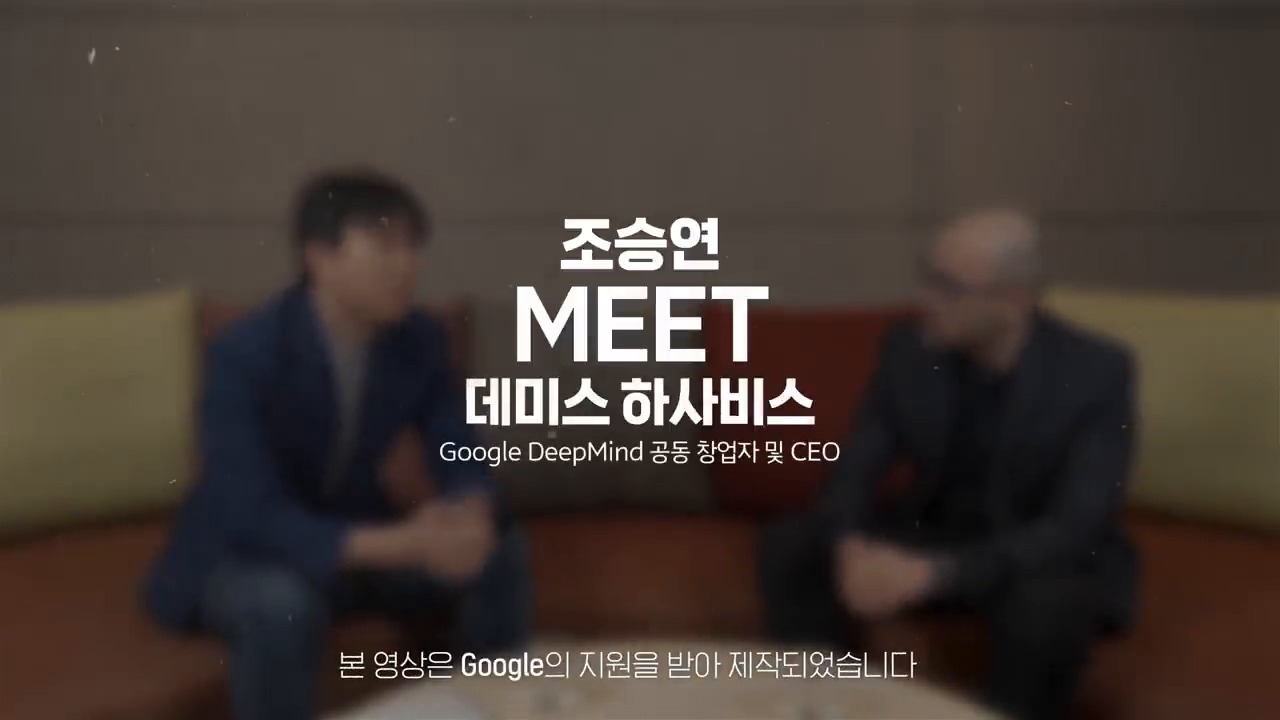
    AI era skills from Demis Hassabis
    AI era skills from Demis Hassabis.

    Original Korean article: AI 시대 필수 역량, 데미스 하사비스 인터뷰로 정리한 공부의 방향

    AlphaGo Meant More Than a Go Victory
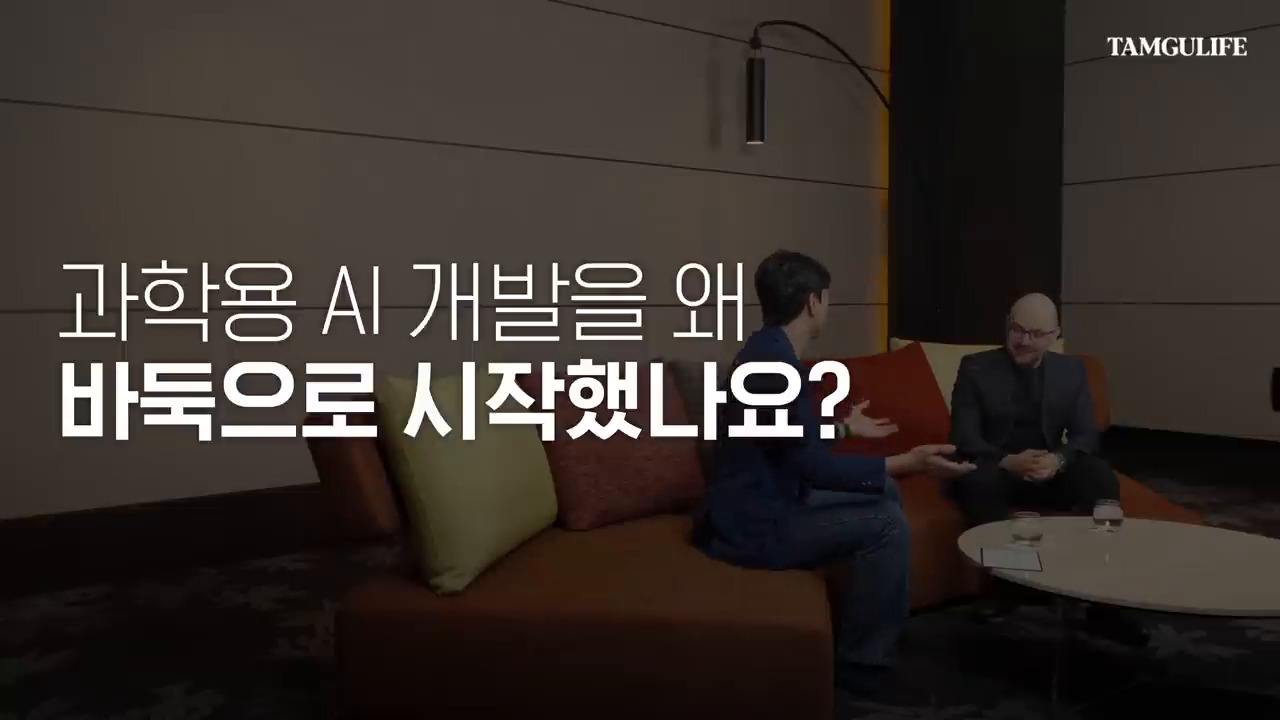
    AlphaGo and AI learning lessons
    AlphaGo and AI learning lessons.

    AlphaGo was not important only because it beat a human Go champion. It showed that AI could discover strategies that surprised experts and changed how people thought about intelligence.

    The source treats AlphaGo as a symbolic moment: machines could now explore complex decision spaces in ways that humans had not fully anticipated.

    Games Were Training Grounds, Not Toys

    AlphaFold and science with AI
    AlphaFold and science with AI.

    Hassabis’s background in games matters because games provide rules, feedback, goals, and environments for learning. They are useful laboratories for AI research.

    This teaches a broader learning principle. Good practice environments give clear feedback and allow repeated experimentation, whether the subject is coding, science, design, or business.

    AlphaFold Showed AI as a Scientific Tool
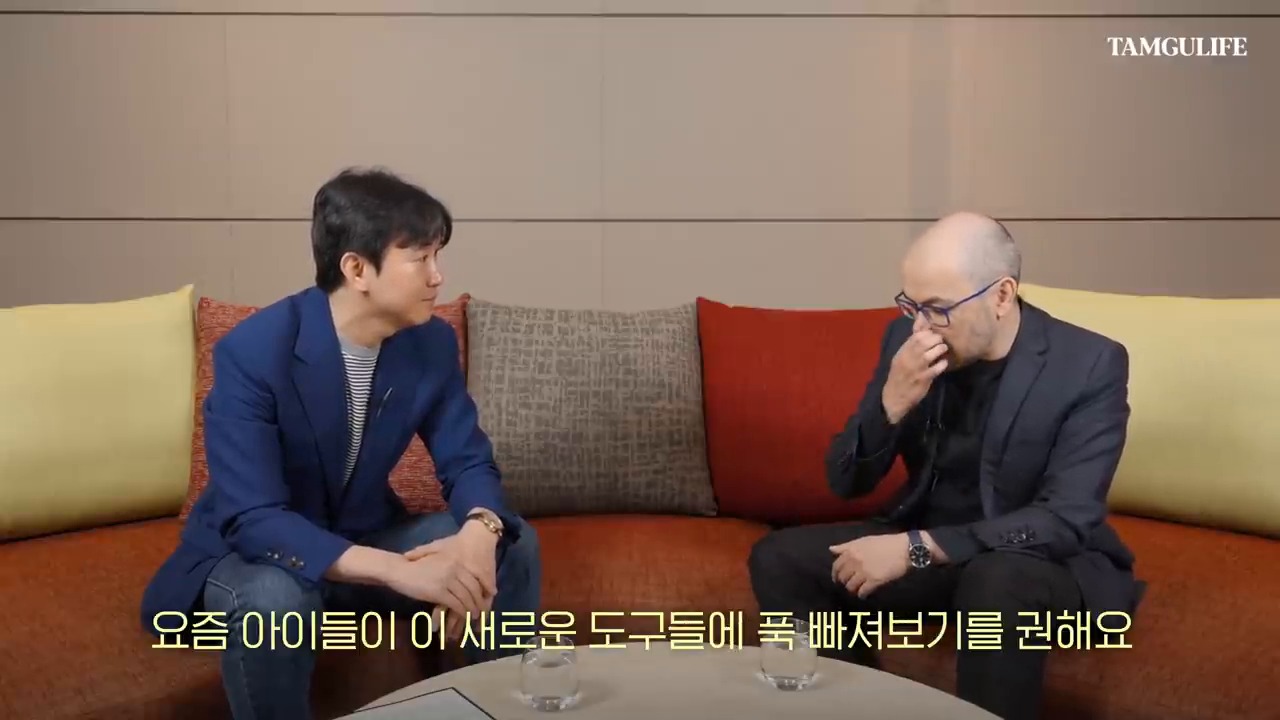
    STEM foundations in the AI era
    STEM foundations in the AI era.

    AlphaFold demonstrated that AI could contribute to science by predicting protein structures and accelerating biological research. This moved AI from game achievement to scientific infrastructure.

    The implication is that AI-era learning should connect computation with real domains. The most powerful applications may appear when AI meets biology, physics, chemistry, medicine, and engineering.

    Math and Science Still Matter
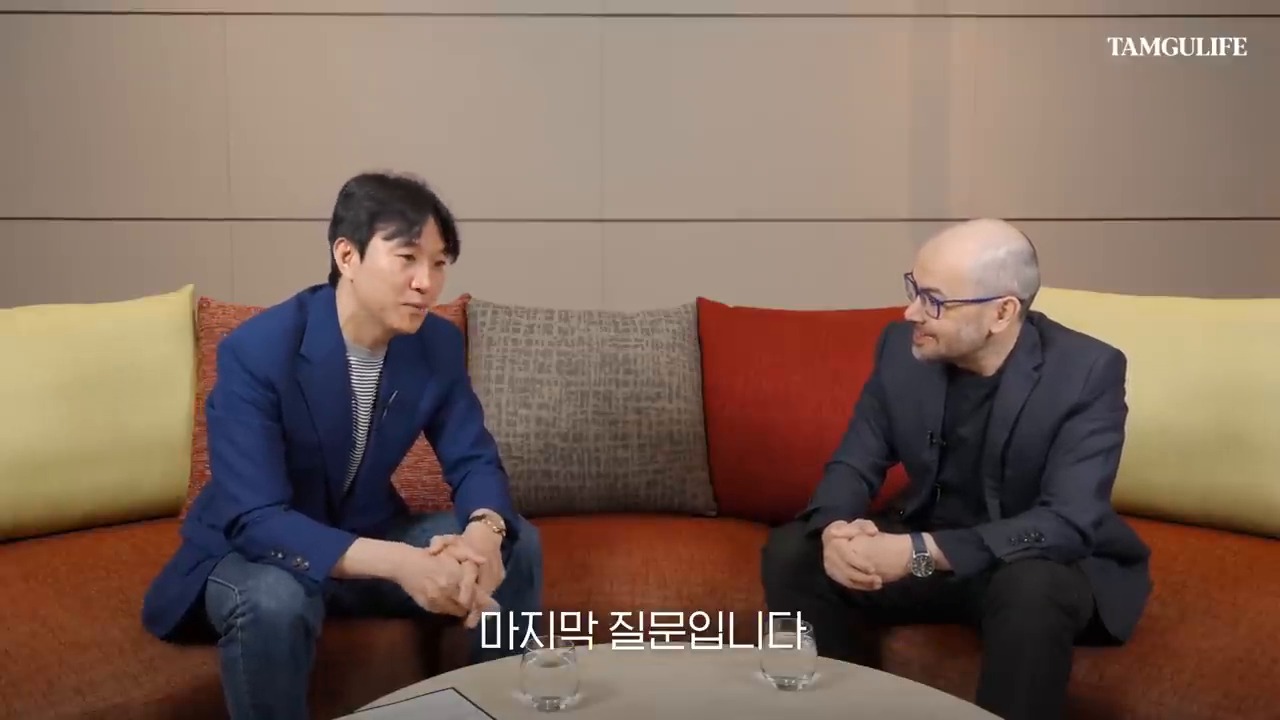
    AI agents and CEO-like thinking
    AI agents and CEO-like thinking.

    The source rejects the idea that AI makes fundamentals unnecessary. If anything, math and science become more important because they help people understand problems, evaluate outputs, and work with advanced tools.

    People who rely only on AI answers without conceptual grounding may become faster but not wiser. Fundamentals protect judgment.

    Children Should Use AI, Not Only Study About It

    Students should not learn AI only as abstract theory. They should experiment with tools, ask questions, build small projects, and observe where AI helps or fails.

    Hands-on use creates intuition. It teaches prompting, verification, iteration, and the limits of automation.

    Think Like a CEO in the Agent Era

    The source says a future skill is the ability to think like a CEO. This does not mean everyone becomes an executive. It means people must define goals, delegate tasks to agents, evaluate results, allocate resources, and take responsibility.

    As AI agents handle more execution, human value moves toward orchestration: deciding what should be done, in what order, by which tool, and with what standard.

    Essential Skills Checklist

    Key skills include math and science foundations, coding or computational thinking, AI literacy, problem definition, experimentation, communication, ethics, and the ability to learn continuously.

    For workers, the first step is to use AI on a real task, verify the result, and then ask what part of the workflow can be redesigned.

    Conclusion: Study Moves Toward Problem Definition

    The conclusion is that AI-era study is not memorization versus AI. It is learning how to define problems that are worth solving and how to use AI as a partner in solving them.

    Hassabis’s examples show that deep fundamentals and bold tool use belong together. The future favors people who can connect both.

    Practical Implications for Readers

    For readers using this article as a working reference, the practical lesson is to move from abstract interest to a concrete audit. Identify where the topic touches your own work, which assumptions are already outdated, what data or tools are missing, and which decision could be tested on a small scale before a larger commitment. Write that test down, assign an owner, and review evidence rather than impressions.

    The Korean source repeatedly treats technology, strategy, and human judgment together. That is why the safest next step is not blind adoption or passive worry. It is disciplined experimentation: define the problem, compare alternatives, verify results, protect sensitive information, and keep the human purpose visible while the tool or trend evolves.

    Related Reading

    Continue with these related Thinknote English articles in the Digital Transformation cluster.

    FAQ

    What is this article about?

    This article explains a digital transformation, platform, market-structure, or technology-adoption topic with Korea-specific context and global implications.

    How should I use this guide?

    Use it to understand market signals and strategic patterns. Combine it with current market data before making business or investment decisions.

    Where can I read the original Korean article?

    The original Korean article is available here: AI Era Skills: What Demis Hassabis Teaches About Learning, STEM, and Agents.
  • Newton Science Magazine for Students: Why Visual Science Reading Still Matters

    Newton Science Magazine for Students: Why Visual Science Reading Still Matters

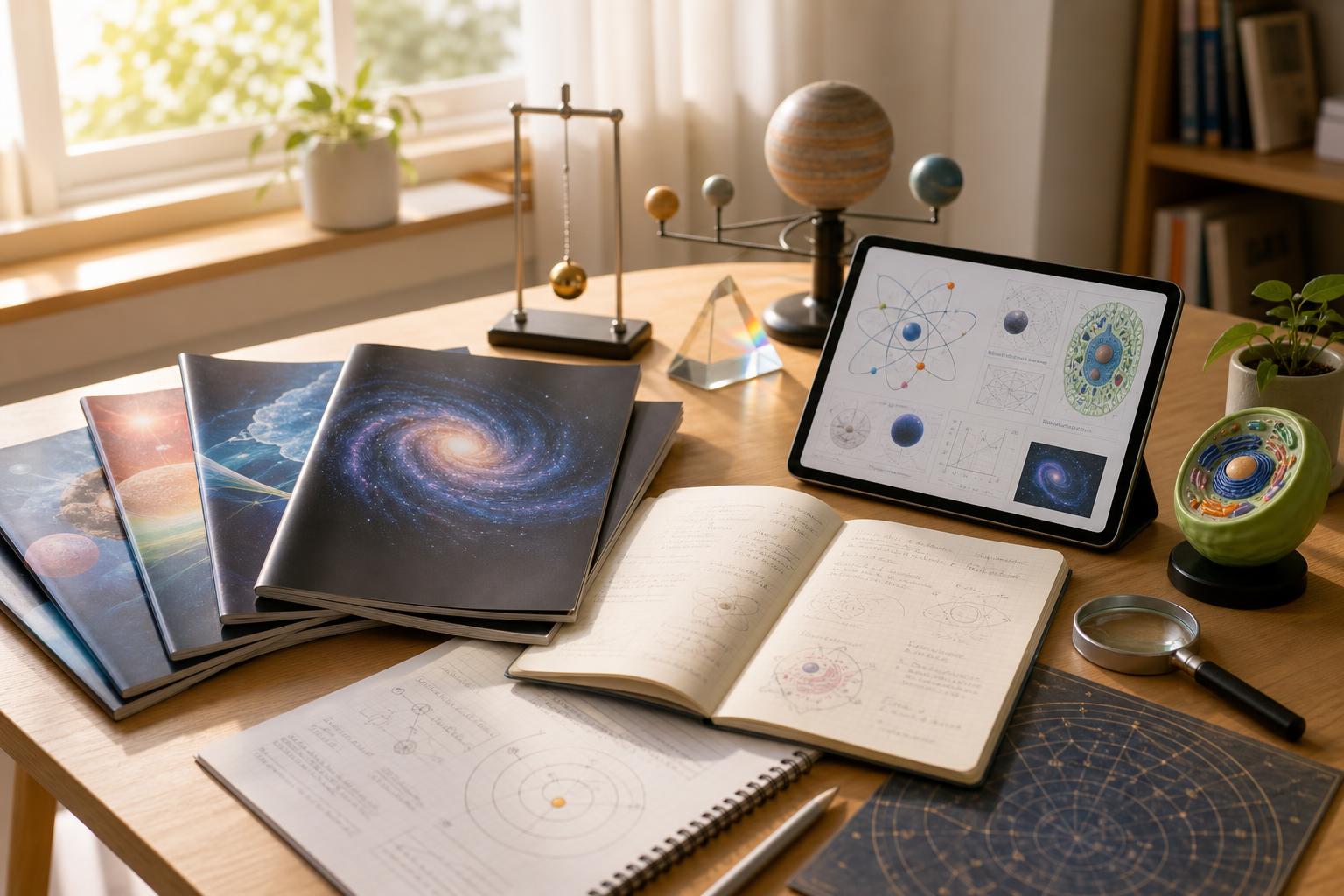
    This English version is a fuller translation and adaptation of the original Korean article, 뉴턴 과학잡지 추천: 청소년과 학생에게 월간 Newton이 좋은 이유, for global readers. The article discusses the benefits of Newton Science Magazine for students, highlighting its unique approach to visual science reading and its ability to make complex concepts more accessible. For parents and educators looking for a way to encourage students to develop a deeper understanding of science, Newton Science Magazine is an excellent resource. With its rich visual content and in-depth articles, it provides a comprehensive introduction to various scientific fields, including physics, chemistry, biology, mathematics, and more.

    Newton science magazine for students and science literacy
    Newton science magazine can help students build science literacy through visual learning.

    Original Korean article: 뉴턴 과학잡지 추천: 청소년과 학생에게 월간 Newton이 좋은 이유

    What is Newton Science Magazine?

    Newton Science Magazine, also known as Monthly Newton, is a Korean science magazine that has been in publication since 1985. According to the official introduction by Newton Korea, the magazine aims to popularize science and targets a wide range of readers, from elementary school students to college students and science enthusiasts. The magazine covers a broad range of fields, including physics, chemistry, biology, mathematics, astronomy, and earth science, as well as applied sciences like engineering, medicine, and agriculture. This allows students to explore how science is applied in the real world, beyond the confines of their school curriculum.

    One of the distinctive features of Newton Science Magazine is its graphic-centered composition. The magazine utilizes materials from reputable international organizations like NASA and ESA, as well as precise illustrations, to explain scientific concepts visually. This approach enables readers to grasp the structure and principles of concepts more quickly than they would through text alone.

    (IMAGE_1)

    Five Reasons Why Newton Science Magazine is Useful for Students

    1. Understanding Complex Concepts through Pictures and Photographs

    Science becomes easier to understand when visualized. Topics like black holes, relativity, cells, DNA, the structure of the universe, and the earth’s layers can seem abstract when explained solely through text. Newton Science Magazine excels at presenting these topics through photographs, diagrams, and precise illustrations, allowing students to follow and understand the concepts more easily.

    2. Access to the Latest Scientific Issues Beyond Textbooks

    While textbooks are essential for learning basic concepts, they have limitations when it comes to covering the latest scientific trends. Monthly Newton addresses new scientific topics every month, providing students with a consistent stream of information on current issues like AI, space exploration, climate, life sciences, mathematics, and medicine. For example, the May 2026 issue of Newton Korea focuses on mathematics in the age of AI and includes special articles on topics like crater walks, the language of the world, and hidden mathematics in tessellations. These topics can be connected to school lessons and also serve as starting points for career exploration.

    (IMAGE_2)

    3. Finding Topics for Science Reading and Research Reports

    When students are tasked with writing science research reports, one of the most challenging parts is deciding on a topic. Newton Science Magazine is helpful in this regard because it covers multiple scientific fields each month, making it easier for students to find topics for their research. By extending the concepts presented in the magazine, students can develop their own research questions. For instance, instead of simply copying content from the magazine, students can derive questions from the articles, such as “Why?”, “How?”, or “What about other cases?” and use these to develop their research topics.

    4. Broad Applicability from Upper Elementary to High School Students

    Newton Science Magazine has a wide range of readers. It’s important to note that not all students need to read it in the same way. By adjusting the approach based on the student’s grade level and purpose, the burden can be reduced. For lower elementary school students, some content may be too difficult. In such cases, it’s better to start with articles that have many pictures and read them together with parents, rather than trying to read the entire magazine from the beginning.

    (IMAGE_3)

    5. Changing Science from a Subject to Memorize to a World to Explore

    Many students view science as a subject that requires memorizing formulas and terms. However, the essence of science lies in questioning, observing, and discovering principles. Monthly Newton helps students naturally generate questions through its diverse topics. Questions like “How did the universe begin?”, “Why does AI need mathematics?”, or “How does life store information?” make science studies much more engaging and active.

    Choosing Between Newton, Newton Highlights, and Back Issues

    For those new to Newton-related content, the variety of options can be confusing. Choosing based on purpose makes it easier. According to the official introduction, Newton Highlights is a series of books that reconstruct specific scientific topics centered around Newton Special, the in-depth articles of the magazine. It explains principles with a focus on pictures and photographs and is suitable for understanding textbook content and cultivating comprehensive thinking skills.

    If starting for the first time, instead of immediately deciding on a regular subscription, it might be better to first choose a back issue or a Newton Highlights book that aligns with the child’s interests.

    (IMAGE_4)

    Ways for Parents and Teachers to Use Newton Together

    To use Newton more effectively, it’s best not to just read and finish it. Adding simple questions or activities can turn science reading into exploration activities.

    Activities to Try After Reading

    – Choose the most interesting picture from an article and explain it.

    – Organize five new scientific terms learned from the article.

    – Summarize the article in one sentence.

    – Create three questions you’d like to know more about.

    – Find related experiments, videos, or books to connect to the article.

    – Use the article as a topic for a science club or presentation for a performance evaluation.

    For example, after reading an article about tessellations, one could find and photograph repeating patterns in tiles, packaging, or building designs at home. After reading about craters, one could compare photos of the moon’s surface with the earth’s impact craters.

    (IMAGE_5)

    Things to Know Before Reading

    While Newton is rich in visual materials, the difficulty level can vary depending on the topic. Especially, advanced topics in physics, astronomy, mathematics, and life sciences might seem challenging to elementary school students.

    Therefore, it’s recommended to approach it in the following order:

    – First, choose the field the child is originally interested in.

    – Look at the cover and table of contents and select just one interesting article.

    – Don’t try to memorize all unknown terms; start with the core pictures and titles.

    – Leaving just one question after reading is sufficient.

    – If the child wants to read more deeply, expand to Newton Highlights or related books.

    Pre-Purchase Checklist

    Before purchasing, it’s a good idea to check the Newton Korea official website for this month’s Newton, back issues, and subscription options. Since the monthly topics vary, it’s better to see if the current topics align with the child’s interests.

    Conclusion: Newton is a Good Starting Point for Cultivating Scientific Curiosity

    Newton Science Magazine is not just a magazine that delivers scientific knowledge; it’s a content that helps students understand science through images, access the latest issues, and generate their own questions. For upper elementary school students, it can open up curiosity about science; for middle school students, it can broaden their understanding of school concepts; and for high school students, it can serve as material for research reports and career exploration. For parents, it’s a practical choice when considering what scientific reading to recommend to their children.

    If scientific reading seems daunting, there’s no need to start by trying to read a lot. Begin by checking this month’s Newton table of contents and start reading together with your child from the most interesting article. Science can begin with a small question.

    Related Reading

    Continue with these related Thinknote English articles in the Digital Transformation cluster.

    FAQ

    What is this article about?

    This article explains a digital transformation, platform, market-structure, or technology-adoption topic with Korea-specific context and global implications.

    How should I use this guide?

    Use it to understand market signals and strategic patterns. Combine it with current market data before making business or investment decisions.

    Where can I read the original Korean article?

    The original Korean article is available here: Newton Science Magazine for Students: Why Visual Science Reading Still Matters.