
Does a good leader always have to be kind? This question is more difficult than you think in the workplace. A kind tone is clearly necessary, but if a leader cannot express uncomfortable standards, team members will actually become more anxious.
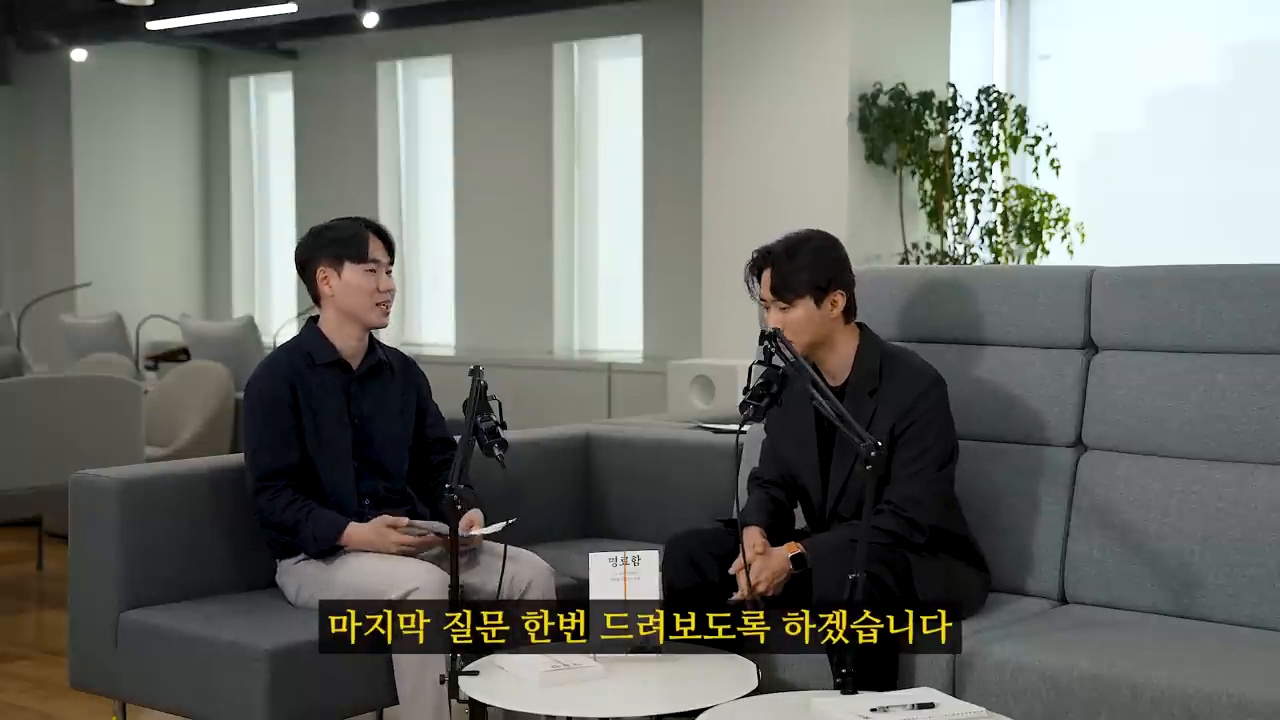
In the Career Day video, author Takmin Oh explains this issue with the idea that “having a bad personality does not make someone a bad leader.” The key is not personality, but standards. If team members do not know what the leader wants, what they reward, or what behavior they want to repeat, the team will not move.
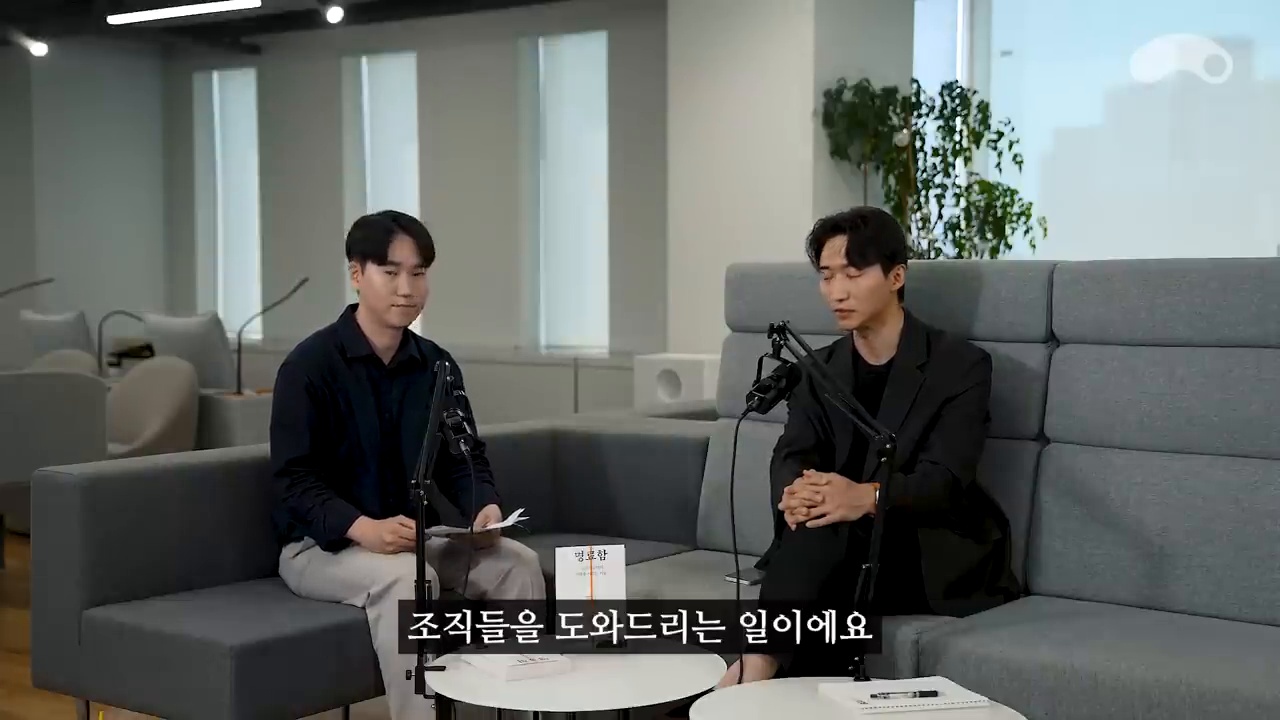
The moment a kind leader becomes dangerous
Being a kind leader is not always bad. The problem arises when kindness becomes conflict avoidance. If a leader cannot say what needs to be said, blurs performance standards, and makes team members guess, kindness is closer to neglect than leadership.
Team members want predictable standards rather than a leader’s mood. They want to know what to do first, how much to do, and what behavior is good. If the leader does not express those standards, team members will continue to guess.
The problem is not personality, but the “absence of one’s own thoughts”
One impressive point in the video is the criticism that many leaders do not know their own thoughts well. If a leader does not know what they want, feedback will also be unclear. Saying “let’s do well” is gentle, but it is not an execution standard.
Therefore, leaders must first organize their thoughts into sentences. They must be able to say what results are important in this team, what behaviors create those results, and what habits they should stop now.
| The state of the leader | What team members feel | The result that occurs in the organization |
| Kind but has no standards | It’s hard to know what’s done well | Guessing and speculation increase |
| Strict but lacks explanation | Only the reason for scolding remains | A defensive atmosphere is created |
| Speak the standards and act on them | It’s clear what to repeat | The team’s learning speed accelerates |
The 3 layers of a leader: thought, speech, action
Leadership is not determined by a single tone of speech. Thoughts, words, and actions must be consistent. If you have high standards in your mind but don’t express them, your team won’t know. On the other hand, if your words are great but the actual rewards are different, the team will follow the rewards, not the words.
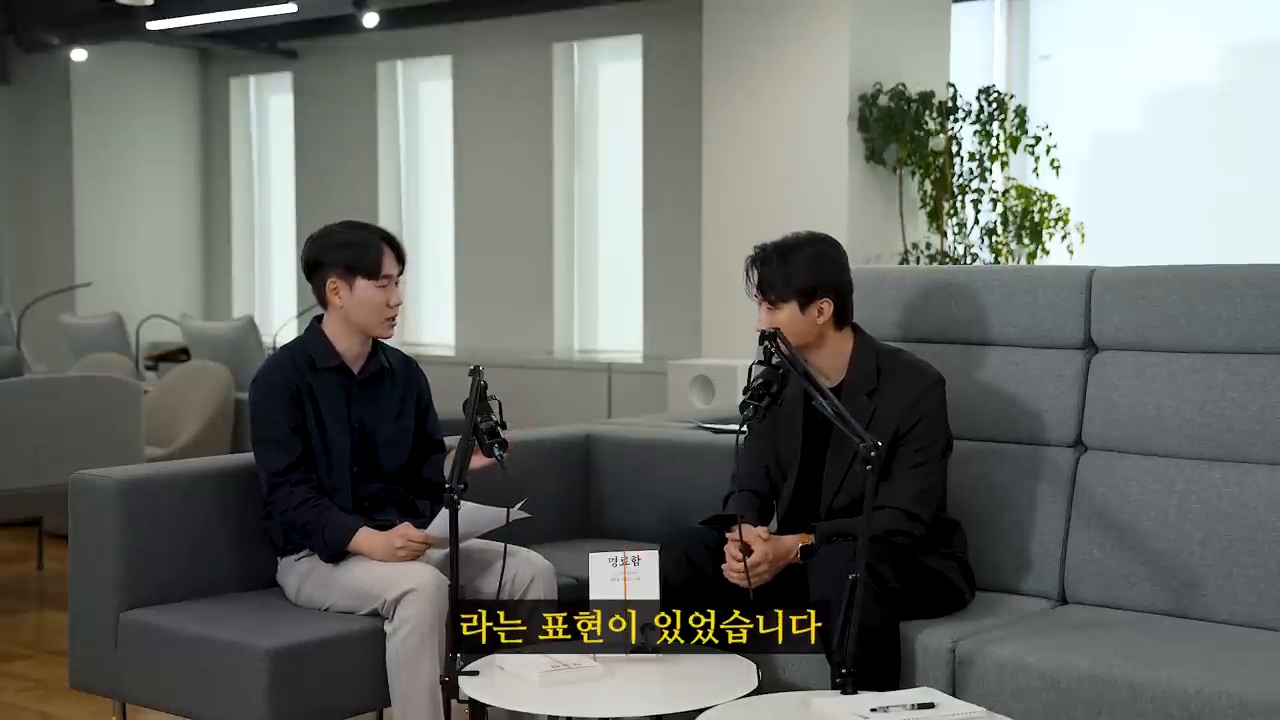
- Thoughts: What results does our team truly value?
- Words: Were those standards conveyed to team members in understandable sentences?
- Actions: Were those standards consistently applied in actual meetings, feedback, and rewards?
If these three are inconsistent, a leader’s reputation can be easily shaken. A reputation for being a good person can remain, but it’s difficult to earn trust as a leader who grows the team.
Why behavior should be rewarded, not results
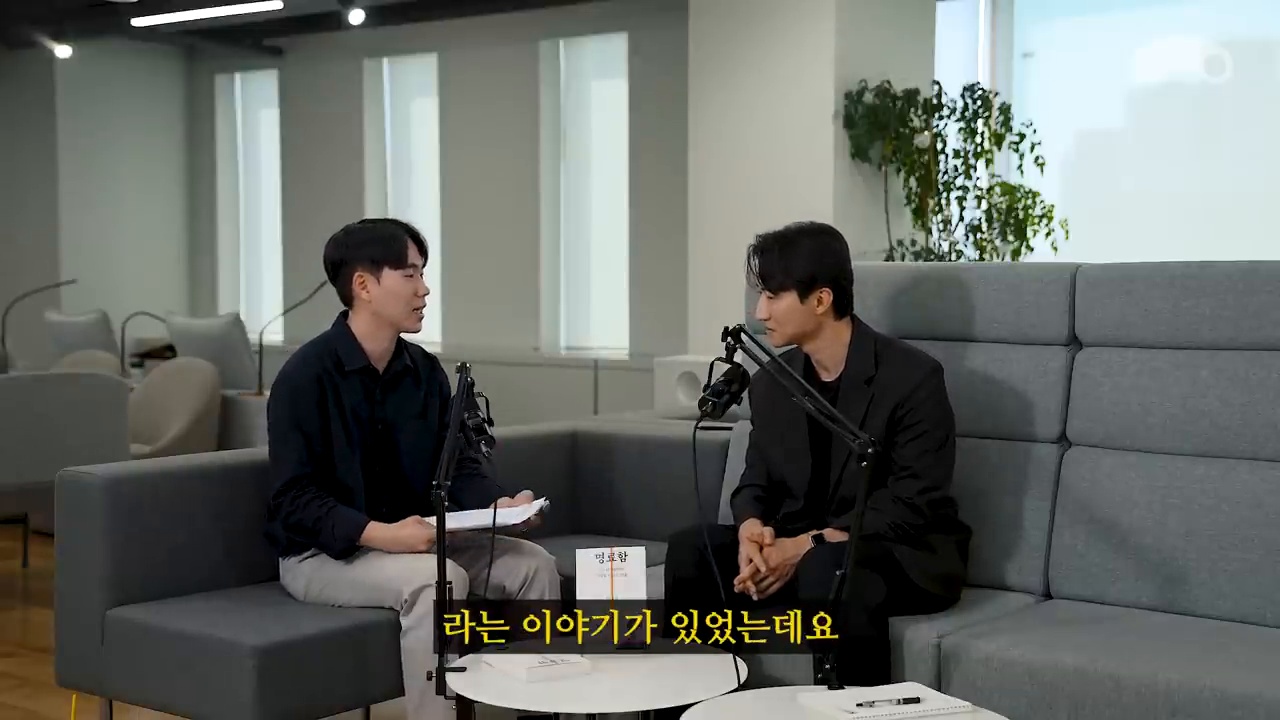
Results are important. However, if only results are rewarded, luck, market conditions, and differences in existing resources are mixed in. It’s difficult for team members to learn what they should repeat. Therefore, author Ok-tak Min emphasizes that behavior should be rewarded.
Focusing on behavior does not mean ignoring results. It means finding the process that creates good results and converting that process into repeatable language. For example, ‘We increased sales’ is less learnable feedback than ‘We recorded customer questions and reflected them in the next proposal.’
| Reward Criteria | Leader’s Question | Team’s Remaining Learning |
| Performance-Based | Were this month’s numbers good? | Interpreted as a mix of luck and skill |
| Action-Based | What actions contributed to the performance? | Can be repeated next time |
| Learning-Based | What was changed from the failure? | Attempts and improvements accumulate |
5 Checklists That Team Leaders Can Apply Immediately
- This week, I will tell you the top priority that team members must know in one sentence.
- Instead of saying “let’s do our best”, I suggest observable behavioral standards.
- For those who have achieved good results, I ask not only about the outcome but also about repeatable behaviors.
- I don’t delay feedback, and I deliver it in short, small units of behavior.
- I bring both kind tone and clear standards together, without choosing just one.
A growing organization moves based on standards, not a leader’s personal preference.
A team member liking their leader and a team growing are different things. Of course, if the relationship is bad, work becomes difficult. However, if the relationship is good but there are no standards, the team can become complacent and stagnant.
A good leader is not someone who pushes people, but someone who prevents team members from having to guess. A good leader tells team members what to do, observes good behavior, and creates a structure that allows for retrying. Therefore, leadership is closer to a design problem than a personality problem.
Recommended reading
- The decisive difference between companies that collapse and those that grow again in the AI era
- The Future of Work with AI: The Meaning of Work Before Disappearing Jobs
- The 4.5-Day Workweek Government Support System: Benefits and Implementation Directions for Companies
FAQ
Are Nice Leaders Really Bad Leaders?
No, being nice is not the problem. However, if niceness is used as a way to avoid conflict and fail to set standards, it can confuse team members even more.
What should the team leader change first?
Organizing their thoughts into clear sentences. We must be able to articulate the important results and actions that produce those results in our team.
Does saying to reward behavior rather than performance mean to ignore performance?
No, it means to find the repeatable behaviors that produce the performance. That way, team members can improve in the same way next time.
What is more important, kindness or strictness?
It’s not a matter of choosing one over the other. Both a kind attitude and clear standards are necessary for team members to challenge themselves safely.
Where can I watch the original video of this article?
The Career Day YouTube video “Having a bad personality doesn’t make you a bad leader”can be found in
Reference
Image source: The capture image used in the text is from the original YouTube videoand was used as a quoted image for review, commentary, and educational purposes. The image copyright belongs to the original author and the channel.
Original Korean article: https://www.thinknote.co.kr/leadership-kind-leader-team-management/