[태그:] AI Era Skills

  • What Should Humans Learn When AI Knows Every Answer?

    What Should Humans Learn When AI Knows Every Answer?

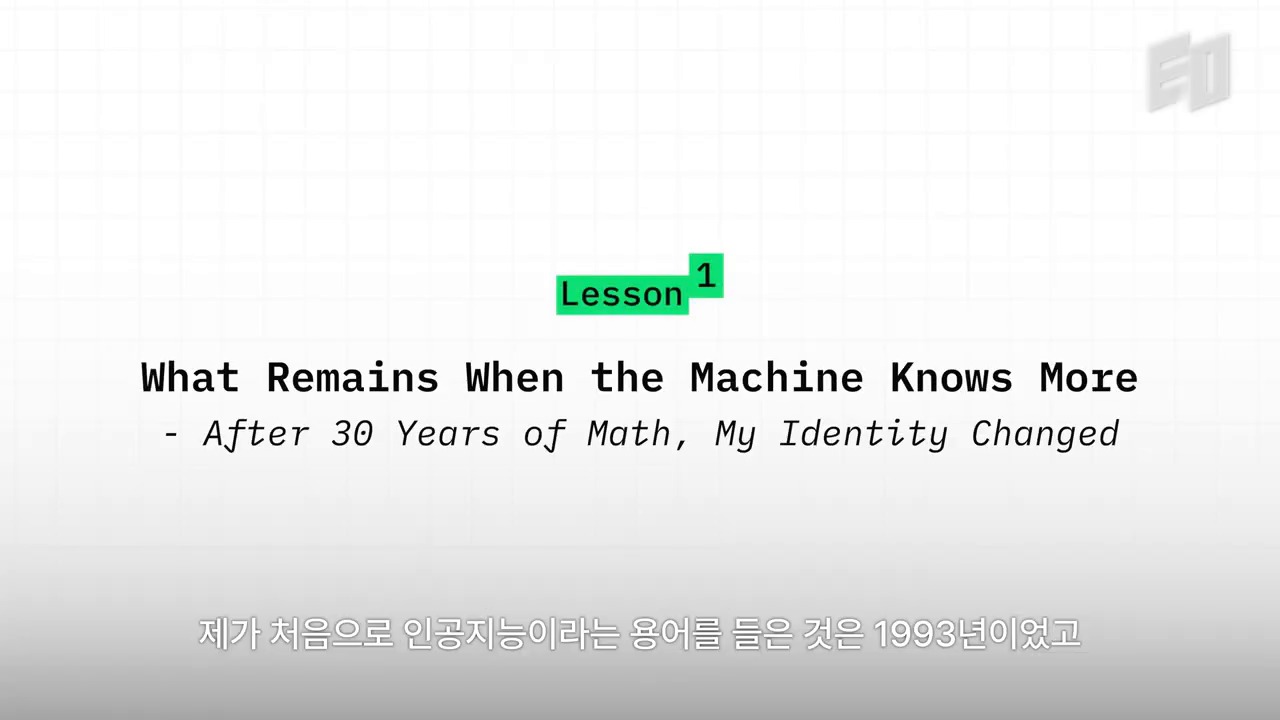
    This fuller English adaptation follows the Korean source’s reflection on Ken Ono, deep intelligence, and learning in the AI era. If AI can produce answers instantly, human learning cannot remain a contest of memorized information. The question becomes: what kind of intelligence should humans cultivate?

    human learning in the AI era
    human learning in the AI era.

    Original Korean article: AI가 모든 답을 아는 시대, 인간은 무엇을 배워야 하나

    Why Learning in the AI Era Is No Longer a Knowledge Competition

    For a long time, school and career success rewarded people who could absorb information, recall it quickly, and apply standard methods. AI changes that environment. A student can ask for a summary, a worker can ask for a draft, and a researcher can ask for references. The value of simply “knowing the answer” declines when answers are everywhere.

    The source article does not say knowledge is useless. It says the purpose of knowledge changes. Knowledge becomes the material for asking better questions, recognizing false answers, connecting ideas, and pursuing problems that matter personally.

    Ken Ono’s Idea of Deep Intelligence

    The article introduces Ken Ono’s message as a challenge to shallow learning. Deep intelligence is not the ability to repeat correct answers. It is the ability to stay with a question, sense patterns, connect fields, and develop an inner reason to learn. It includes curiosity, persistence, and identity.

    In mathematics, music, art, research, or work, the deepest learning often begins when a person finds a question that will not let go. AI can help explore that question, but it cannot replace the human decision to care about it.

    Education Is Not a Checklist; It Is the Recovery of Curiosity

    The Korean source criticizes checklist-style education. When learning becomes only grades, certificates, rankings, and completed assignments, curiosity weakens. Students may become efficient at passing tasks but lose the ability to wonder.

    AI makes this problem more urgent. If homework can be outsourced to a model, schools must design learning that brings students back into ownership. Discussion, projects, exploration, explanation, and personal reflection become more important than worksheets that measure only output.

    What Students and Workers Should Learn Again

    deep intelligence and curiosity
    deep intelligence and curiosity.

    Students should practice asking original questions, explaining reasoning, comparing sources, building projects, and revising their own work. Workers should learn to turn experience into reusable knowledge, use AI as a thought partner, and make decisions under uncertainty. Both groups need literacy in AI’s strengths and limits.

    The article’s practical message is that people should build a relationship with learning rather than only collect facts. A person who knows how to investigate, verify, and persist will use AI better than a person who only copies AI output.

    For students, the output is less important than the process

    If an AI system can produce a polished paragraph, the student’s value appears in the process: choosing the question, checking the evidence, explaining why one answer is better than another, and connecting the result to personal experience. Teachers can therefore ask students to show drafts, reasoning notes, oral explanations, and revisions.

    For workers, learning becomes a way to redesign work

    Workers should not only ask AI to finish tasks faster. They should ask which parts of the task are repeated, which decisions require expertise, and which knowledge should be saved for reuse. In that sense, learning becomes a way to improve the work system itself.

    Persistence Matters More Than Perfectionism

    Perfectionism often stops learning before it begins. A person waits until the plan is perfect, the tool is perfect, or the answer is guaranteed. Deep intelligence grows differently. It grows through staying with a personal problem long enough to make progress, even when the path is unclear.

    AI can reduce friction by explaining basics, generating examples, and offering feedback. But the human must decide what problem is worth returning to. The source article highlights this power of holding onto one’s own question.

    Conclusion: The Direction of Learning in the AI Era

    questions and identity beyond AI
    questions and identity beyond AI.

    The article concludes that human learning should move from answer collection to question ownership. AI can know many answers, but humans still choose meaning, purpose, responsibility, and direction. The most important skill may be the ability to ask, “What do I want to understand deeply enough that I will keep learning?”

    Related Reading

    Continue with these related Thinknote English articles in the Digital Transformation cluster.

    FAQ

    What is this article about?

    This article explains a digital transformation, platform, market-structure, or technology-adoption topic with Korea-specific context and global implications.

    How should I use this guide?

    Use it to understand market signals and strategic patterns. Combine it with current market data before making business or investment decisions.

    Where can I read the original Korean article?

    The original Korean article is available here: What Should Humans Learn When AI Knows Every Answer?.

  • AI Era Skills: What Demis Hassabis Teaches About Learning, STEM, and Agents

    AI Era Skills: What Demis Hassabis Teaches About Learning, STEM, and Agents

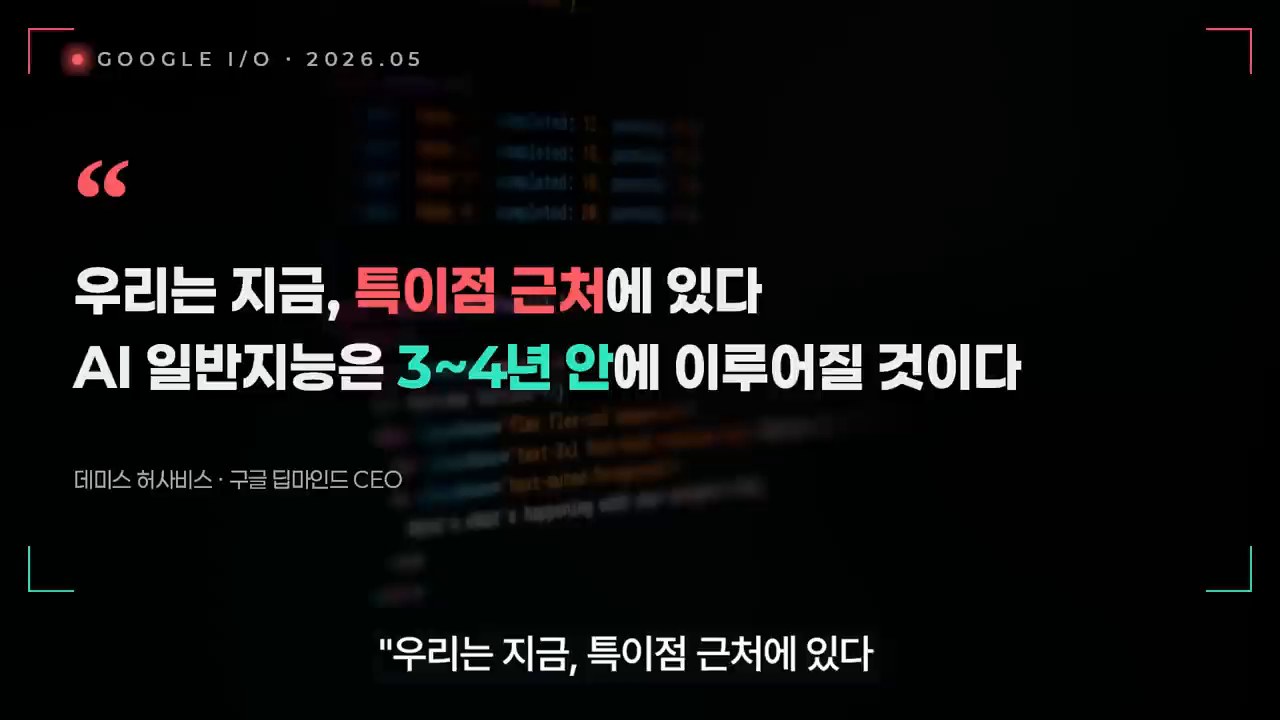
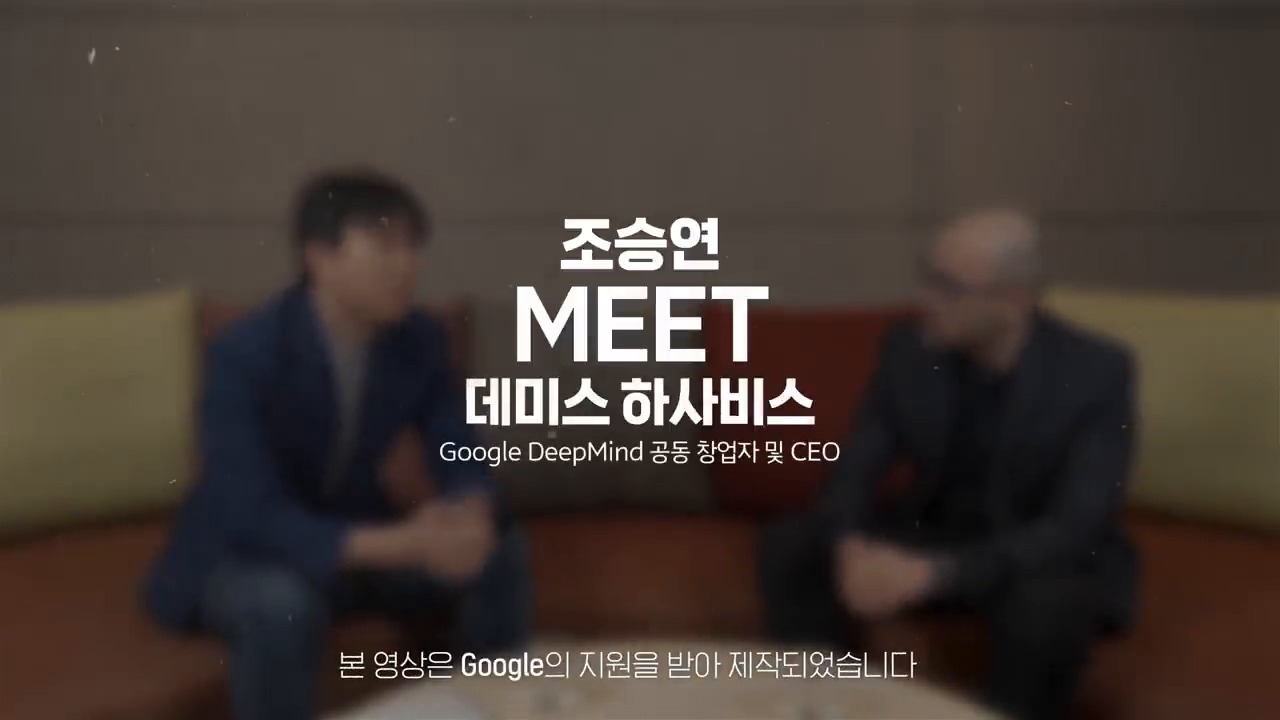
    The Korean source uses Demis Hassabis’s interviews and the history of AlphaGo and AlphaFold to think about learning in the AI era. Its main lesson is that students and workers should not stop learning fundamentals. AI makes math, science, experimentation, and problem definition more important because people must know how to use powerful agents wisely.

    AI era skills from Demis Hassabis
    AI era skills from Demis Hassabis.

    Original Korean article: AI 시대 필수 역량, 데미스 하사비스 인터뷰로 정리한 공부의 방향

    AlphaGo Meant More Than a Go Victory

    AlphaGo and AI learning lessons
    AlphaGo and AI learning lessons.

    AlphaGo was not important only because it beat a human Go champion. It showed that AI could discover strategies that surprised experts and changed how people thought about intelligence.

    The source treats AlphaGo as a symbolic moment: machines could now explore complex decision spaces in ways that humans had not fully anticipated.

    Games Were Training Grounds, Not Toys

    AlphaFold and science with AI
    AlphaFold and science with AI.

    Hassabis’s background in games matters because games provide rules, feedback, goals, and environments for learning. They are useful laboratories for AI research.

    This teaches a broader learning principle. Good practice environments give clear feedback and allow repeated experimentation, whether the subject is coding, science, design, or business.

    AlphaFold Showed AI as a Scientific Tool

    STEM foundations in the AI era
    STEM foundations in the AI era.

    AlphaFold demonstrated that AI could contribute to science by predicting protein structures and accelerating biological research. This moved AI from game achievement to scientific infrastructure.

    The implication is that AI-era learning should connect computation with real domains. The most powerful applications may appear when AI meets biology, physics, chemistry, medicine, and engineering.

    Math and Science Still Matter

    AI agents and CEO-like thinking
    AI agents and CEO-like thinking.

    The source rejects the idea that AI makes fundamentals unnecessary. If anything, math and science become more important because they help people understand problems, evaluate outputs, and work with advanced tools.

    People who rely only on AI answers without conceptual grounding may become faster but not wiser. Fundamentals protect judgment.

    Children Should Use AI, Not Only Study About It

    Students should not learn AI only as abstract theory. They should experiment with tools, ask questions, build small projects, and observe where AI helps or fails.

    Hands-on use creates intuition. It teaches prompting, verification, iteration, and the limits of automation.

    Think Like a CEO in the Agent Era

    The source says a future skill is the ability to think like a CEO. This does not mean everyone becomes an executive. It means people must define goals, delegate tasks to agents, evaluate results, allocate resources, and take responsibility.

    As AI agents handle more execution, human value moves toward orchestration: deciding what should be done, in what order, by which tool, and with what standard.

    Essential Skills Checklist

    Key skills include math and science foundations, coding or computational thinking, AI literacy, problem definition, experimentation, communication, ethics, and the ability to learn continuously.

    For workers, the first step is to use AI on a real task, verify the result, and then ask what part of the workflow can be redesigned.

    Conclusion: Study Moves Toward Problem Definition

    The conclusion is that AI-era study is not memorization versus AI. It is learning how to define problems that are worth solving and how to use AI as a partner in solving them.

    Hassabis’s examples show that deep fundamentals and bold tool use belong together. The future favors people who can connect both.

    Practical Implications for Readers

    For readers using this article as a working reference, the practical lesson is to move from abstract interest to a concrete audit. Identify where the topic touches your own work, which assumptions are already outdated, what data or tools are missing, and which decision could be tested on a small scale before a larger commitment. Write that test down, assign an owner, and review evidence rather than impressions.

    The Korean source repeatedly treats technology, strategy, and human judgment together. That is why the safest next step is not blind adoption or passive worry. It is disciplined experimentation: define the problem, compare alternatives, verify results, protect sensitive information, and keep the human purpose visible while the tool or trend evolves.

    Related Reading

    Continue with these related Thinknote English articles in the Digital Transformation cluster.

    FAQ

    What is this article about?

    This article explains a digital transformation, platform, market-structure, or technology-adoption topic with Korea-specific context and global implications.

    How should I use this guide?

    Use it to understand market signals and strategic patterns. Combine it with current market data before making business or investment decisions.

    Where can I read the original Korean article?

    The original Korean article is available here: AI Era Skills: What Demis Hassabis Teaches About Learning, STEM, and Agents.

  • How to Prepare for the AI Era: Literacy, Judgment, and Human Value

    How to Prepare for the AI Era: Literacy, Judgment, and Human Value

    This English version is a fuller translation and adaptation of the original Korean article, “AI 시대의 승자는 무엇을 준비할까? 세바시 강연 6편에서 뽑은 핵심,” for global readers. The article explores the essential skills and mindset required to thrive in the AI era, based on a collection of lectures by six experts. As AI becomes a fundamental tool for work, study, and creativity, the true difference lies in the ability to read the changing flow, redefine problems, and create value that resonates with people.

    prepare for the AI era
    prepare for the AI era.

    Original Korean article: AI 시대의 승자는 무엇을 준비할까? 세바시 강연 6편에서 뽑은 핵심

    Winners in the AI Era Read the Structure of Change

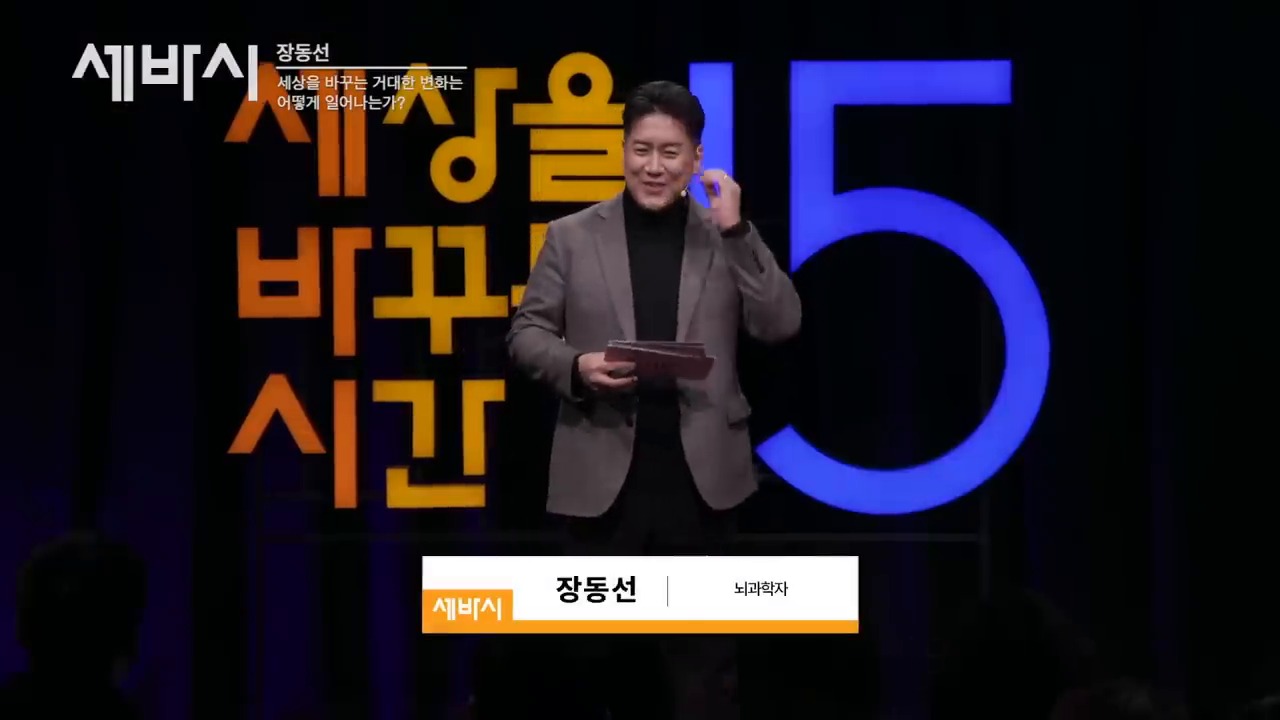
    According to Jang Dong-seon, change is not just about the emergence of new products, but about altering people’s behavior, relationships, and social systems. The true power of change lies in its ability to transform these fundamental aspects of human society. In the context of AI, it’s essential to look beyond the surface level of new tools and technologies and understand the underlying structure of change.

    Direction of Change is More Important than Tool Names

    The names of AI tools are constantly changing, and what’s trendy today may become a basic function tomorrow. Instead of asking “which tool should I learn,” it’s more important to ask: What behavior does this technology make easier? Why do people choose this technology? What assumptions in my work are being challenged? What new expectations will customers, colleagues, and organizations have as a result of this change? Winners in the AI era focus on understanding the structure of change rather than just following new features.

    AI literacy and future scenarios
    AI literacy and future scenarios.

    In an Uncertain Future, Multiple Scenarios are Necessary

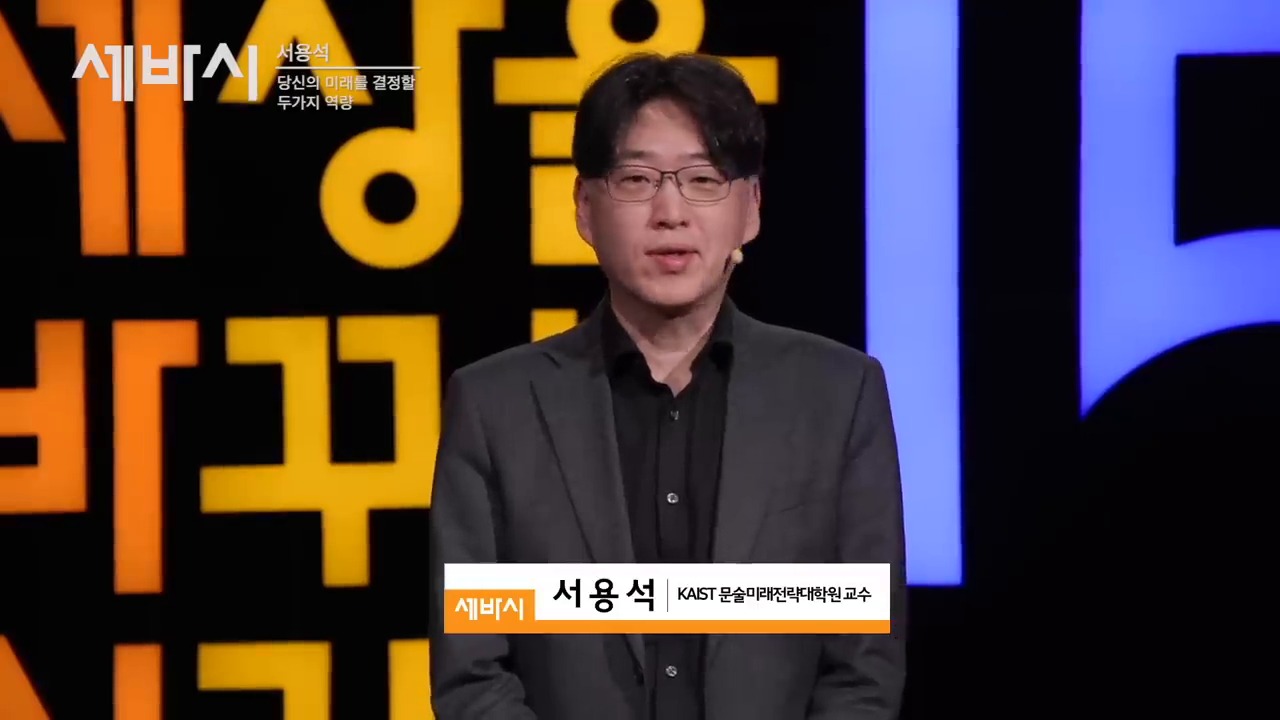
    Seo Yong-seok describes the current era as one of “super uncertainty,” characterized by climate crises, geopolitical conflicts, technological shocks, and economic changes. In such an environment, making definitive predictions about the future can be hazardous. Instead, it’s essential to develop the ability to imagine multiple possible futures and prepare for various scenarios.

    Future Literacy is the Ability to Reduce Shock

    Future literacy is not about predicting the future accurately but about being able to imagine multiple possible futures and prepare for them. This ability is crucial for individuals and organizations to navigate the complexities of the AI era. By developing future literacy, we can reduce the shock of unexpected events and create a more resilient and adaptable mindset.

    human relationships in the AI era
    human relationships in the AI era.

    AI Proximity Increases the Importance of Human Relationship Safety Nets

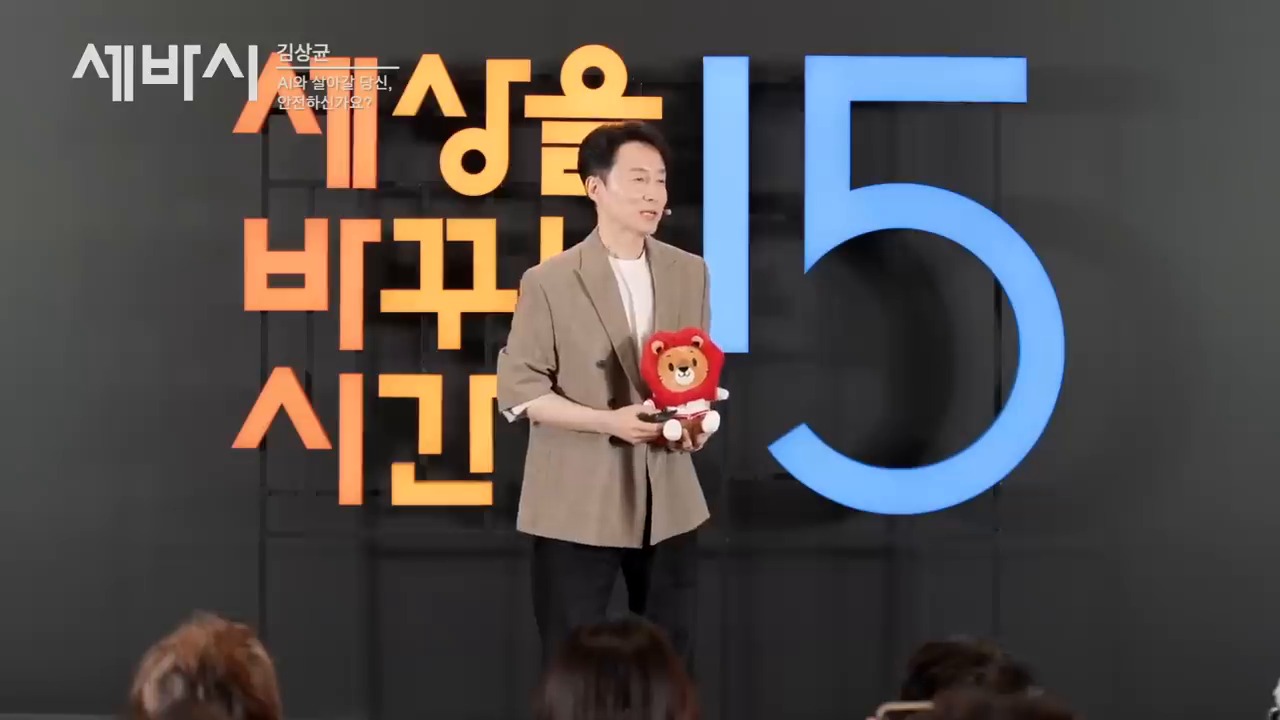
    Kim Sang-gyun highlights the potential for people to become emotionally dependent on AI characters and conversational technologies. As AI becomes more natural and responsive, we may start to see it as a relationship partner rather than just a machine. However, this can lead to a weakening of human relationships if we rely too heavily on AI for emotional support.

    AI Utilization Ability Includes Boundary Sense

    While AI can be useful for providing comfort, advice, and conversation, it’s essential to maintain a sense of boundaries and not rely solely on AI for emotional support. In the workplace, AI can assist with tasks, but human judgment, responsibility, and trust-building are still essential. A strong safety net in the AI era requires a combination of technological proficiency, boundary sense, and human relationships.

    problem solving with AI tools
    problem solving with AI tools.

    Literacy is the Basic Fitness for the AI Era

    Lee Jung-mo emphasizes that literacy is not just about reading texts but about understanding information, connecting contexts, and evaluating the validity of explanations. In an era where AI can generate answers quickly, literacy is more crucial than ever. It’s essential to develop the ability to critically evaluate AI-generated content and ask questions like: What is the basis for this answer? Are there any missing conditions? Are there alternative interpretations?

    Answer-Receiving Ability is Less Important than Answer-Judging Ability

    AI can produce plausible sentences rapidly, but that doesn’t mean they are always accurate or relevant. It’s essential to develop the ability to judge answers critically, considering factors like context, assumptions, and potential biases. By doing so, we can use AI-generated content as a starting point for further inquiry and exploration.

    AI era checklist for work and learning
    AI era checklist for work and learning.

    AI is a Problem-Solving Tool, Not a Technology for Show

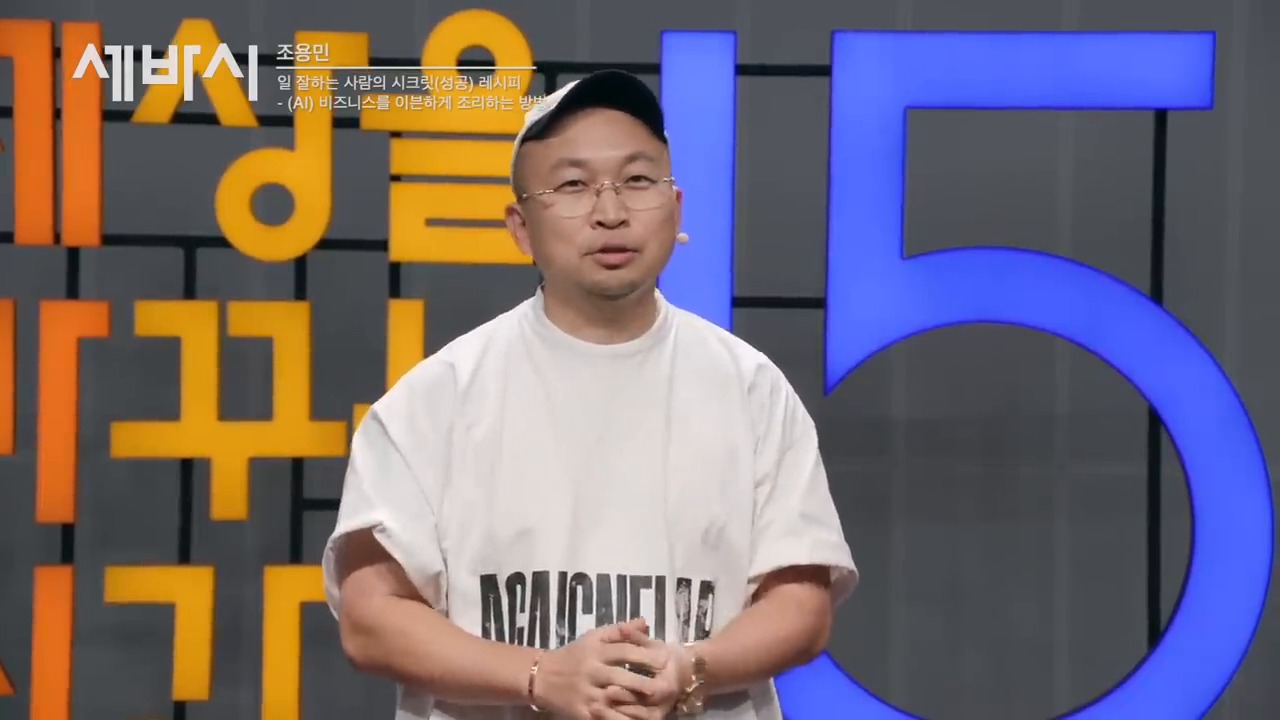
    Jo Yong-min cautions against adopting AI as a trendy technology without a clear understanding of its purpose. True utilization of AI begins when we accurately identify the problems we want to solve. It’s essential to define problems clearly, break them down into smaller parts, and distinguish between tasks that AI can handle and those that require human judgment.

    Good AI Utilization Starts with Problem Definition

    Instead of asking “should we use AI,” it’s more important to ask “what problem do we want to solve with AI?” By focusing on problem definition, we can use AI as a tool to enhance productivity and creativity, rather than just as a means to showcase technology.

    Ultimately, Human-Selected Value is the Survival Strategy

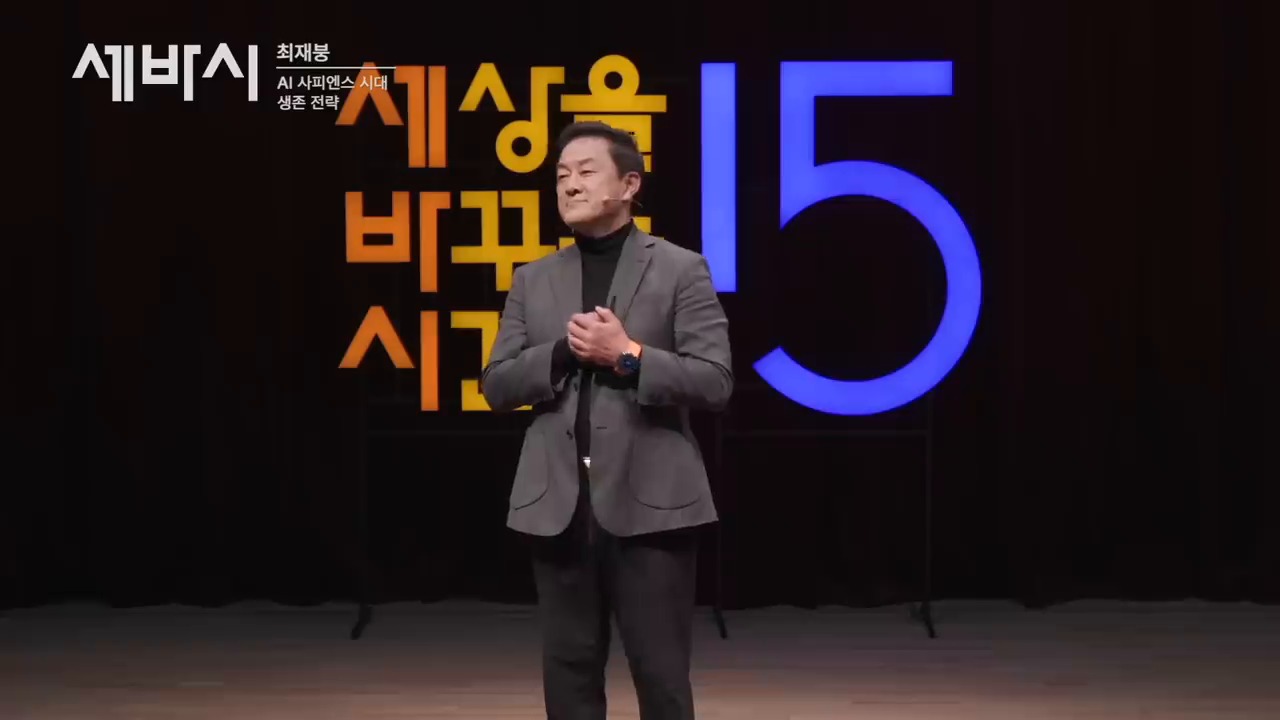
    Choi Jae-bung emphasizes that while AI can accelerate production and reduce costs, the ultimate value lies in being chosen by people. Whether it’s a product, service, or idea, its value is determined by the people who use it, interact with it, and recommend it to others. In the AI era, it’s essential to develop the ability to understand human problems, design better experiences, and build trust.

    Subscriptions and Likes are Not Just Simple Buttons

    Subscriptions and likes are digital signals of human selection. People invest time in things that are helpful, enjoyable, trustworthy, and meaningful to them. Companies and individuals who fail to receive these signals may struggle to survive, even with advanced AI capabilities. Therefore, preparation for the AI era requires a combination of technological proficiency, human understanding, and trust-building abilities.

    Practical Checklist for Winners in the AI Era

    To prepare for the AI era, it’s essential to start with small, practical steps. Here’s a checklist to get you started: Measure the time saved by using AI for one task per week, review AI-generated content for accuracy and context, distinguish between repetitive and judgment-based tasks, record customer or colleague pain points, and manage human relationships, trust, and communication alongside AI utilization. Remember, the key is not just about knowing AI but about using it to solve problems, create value, and build meaningful relationships.

    Related Reading

    Continue with these related Thinknote English articles in the Digital Transformation cluster.

    FAQ

    What is this article about?

    This article explains a digital transformation, platform, market-structure, or technology-adoption topic with Korea-specific context and global implications.

    How should I use this guide?

    Use it to understand market signals and strategic patterns. Combine it with current market data before making business or investment decisions.

    Where can I read the original Korean article?

    The original Korean article is available here: How to Prepare for the AI Era: Literacy, Judgment, and Human Value.