[태그:] AI Skills

  • Future Talent in the AI Era: Thinking Power, AI Factories, and Korea’s AI Nation Strategy

    Future Talent in the AI Era: Thinking Power, AI Factories, and Korea’s AI Nation Strategy

    The Korean source organizes Choi Tae-won’s comments around future talent, agentic AI, AI factories, and Korea’s AI nation strategy. Its key message is that the unit of production is shifting from goods to intelligence. Therefore, future talent must combine thinking power, adaptability, empathy, and body skills while Korea builds systems that let society actually use AI.
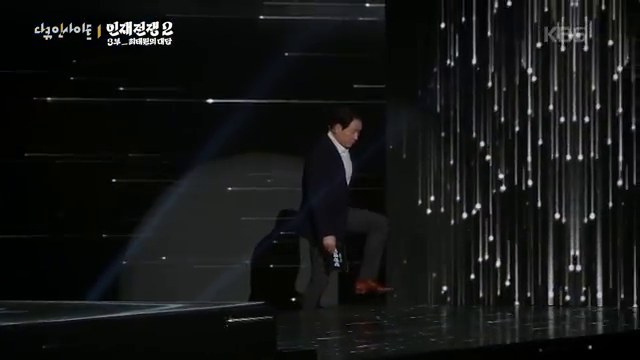
    future talent in the AI era
    future talent in the AI era.

    Original Korean article: 최태원이 말한 AI 시대 미래 인재: 생각하는 힘과 AI 네이션 전략

    The Production Unit Changes From Products to Intelligence
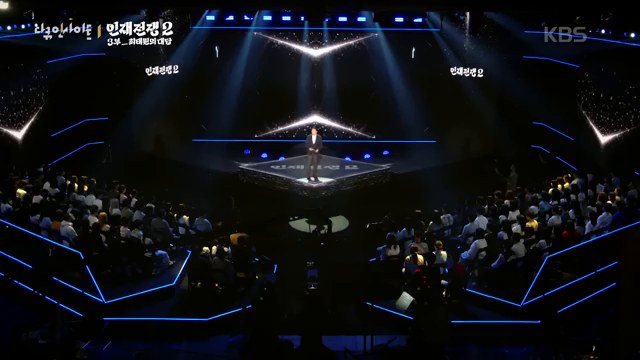
    AI factory and agentic AI strategy
    AI factory and agentic AI strategy.

    In the industrial era, production was measured through goods, factories, and physical output. In the AI era, intelligence itself becomes a production unit. Models, agents, data, and compute create decisions, services, and automation.

    This is why AI factories matter. They are not only data centers; they are infrastructure for producing usable intelligence at scale.

    Future Talent Becomes More Generalist
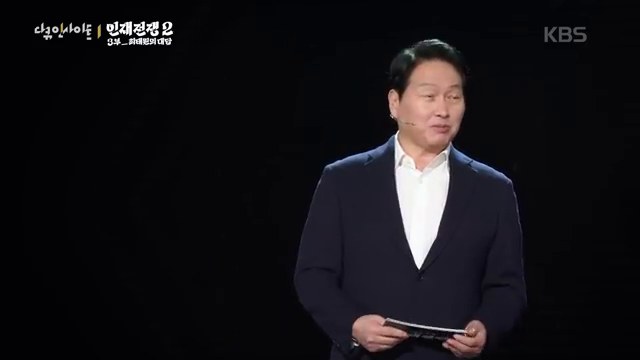
    thinking power and adaptability
    thinking power and adaptability.

    The source argues that future talent is not only a narrow specialist. AI can support specialized tasks, so people must connect fields, ask larger questions, and coordinate multiple capabilities.

    A generalist in this sense is not shallow. It is someone who can combine domain knowledge, AI tools, human context, and strategic judgment across boundaries.

    Four Capabilities Individuals Need
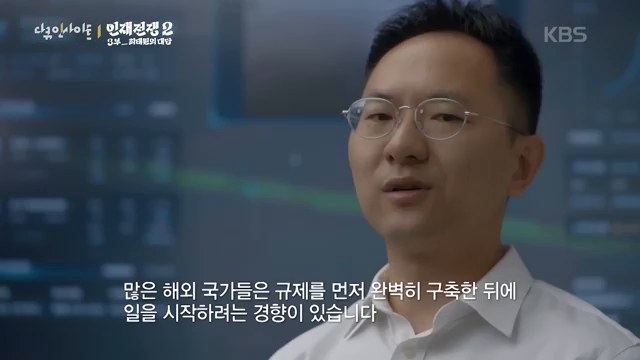
    empathy and body skills in the AI era
    empathy and body skills in the AI era.

    The first is thinking power: the ability to define problems, question assumptions, and decide what matters. The second is adaptability: learning new tools and changing methods without losing direction.

    The third is empathy, because AI may handle information but humans still need trust, care, negotiation, and social understanding. The fourth is body skill: the ability to work in the physical world, sense context, and connect digital intelligence with real action.

    Korea’s AI Strategy: Speed, Scale, and Safety
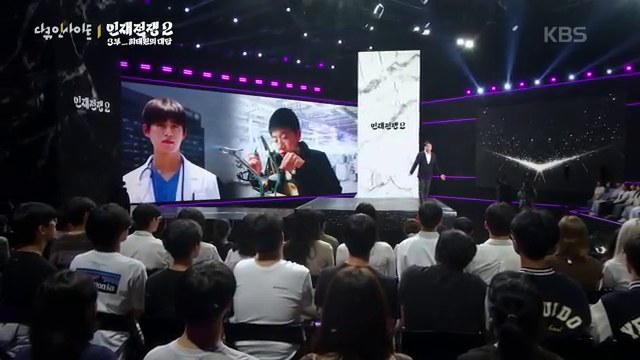
    Korea AI nation strategy
    Korea AI nation strategy.

    The source summarizes AI nation strategy through speed, scale, and safety. Speed matters because AI adoption compounds. Scale matters because data, compute, talent, and applications need national coordination.

    Safety matters because uncontrolled adoption can create privacy, bias, security, and social risks. A serious AI nation strategy must move fast without treating safety as an afterthought.

    The Missing Piece: A Social System That Uses AI

    Korea should not focus only on owning models. The more important question is whether schools, companies, public agencies, small businesses, and individuals can use AI in daily systems.

    That requires training, workflows, procurement, data standards, infrastructure, and trust. AI becomes national capability only when it changes how society solves problems.

    What Individuals and Organizations Should Start With

    Individuals can begin by using AI for summarizing, drafting, coding, research, and planning, but they should also practice verifying outputs and asking better questions.

    Organizations should identify repeated work, redesign processes, prepare data, create internal rules, and train people. AI adoption is not installing a tool; it is changing the operating method.

    Key Takeaway

    Future talent is not defined by memorizing more than AI. It is defined by thinking with AI, adapting faster, understanding people, and connecting intelligence to real work.

    Korea’s AI nation strategy should therefore combine infrastructure with education, safety, and practical use across industries.

    Practical Implications for Readers

    For readers using this article as a working reference, the practical lesson is to move from abstract interest to a concrete audit. Identify where the topic touches your own work, which assumptions are already outdated, what data or tools are missing, and which decision could be tested on a small scale before a larger commitment. Write that test down, assign an owner, and review evidence rather than impressions.

    The Korean source repeatedly treats technology, strategy, and human judgment together. That is why the safest next step is not blind adoption or passive worry. It is disciplined experimentation: define the problem, compare alternatives, verify results, protect sensitive information, and keep the human purpose visible while the tool or trend evolves.

    Related Reading

    FAQ

    Will all specialists disappear in the AI era?

    No. Specialists remain important, but they need broader thinking and the ability to work with AI across adjacent fields.

    How is agentic AI different from chatbots?

    Agentic AI can plan and execute tasks across tools, not only answer questions in a chat window.

    What should students study?

    They should study fundamentals, AI literacy, problem definition, communication, empathy, and real-world practice.

    Where should companies start AI adoption?

    Start with repeated workflows where data is available, risk is manageable, and results can be verified.

    What matters most for an AI nation?

    Usable infrastructure, trained people, practical workflows, safety, and social adoption at scale.

  • How to Create AI Skills: Turning Prompts Into Reusable Work Automation

    How to Create AI Skills: Turning Prompts Into Reusable Work Automation

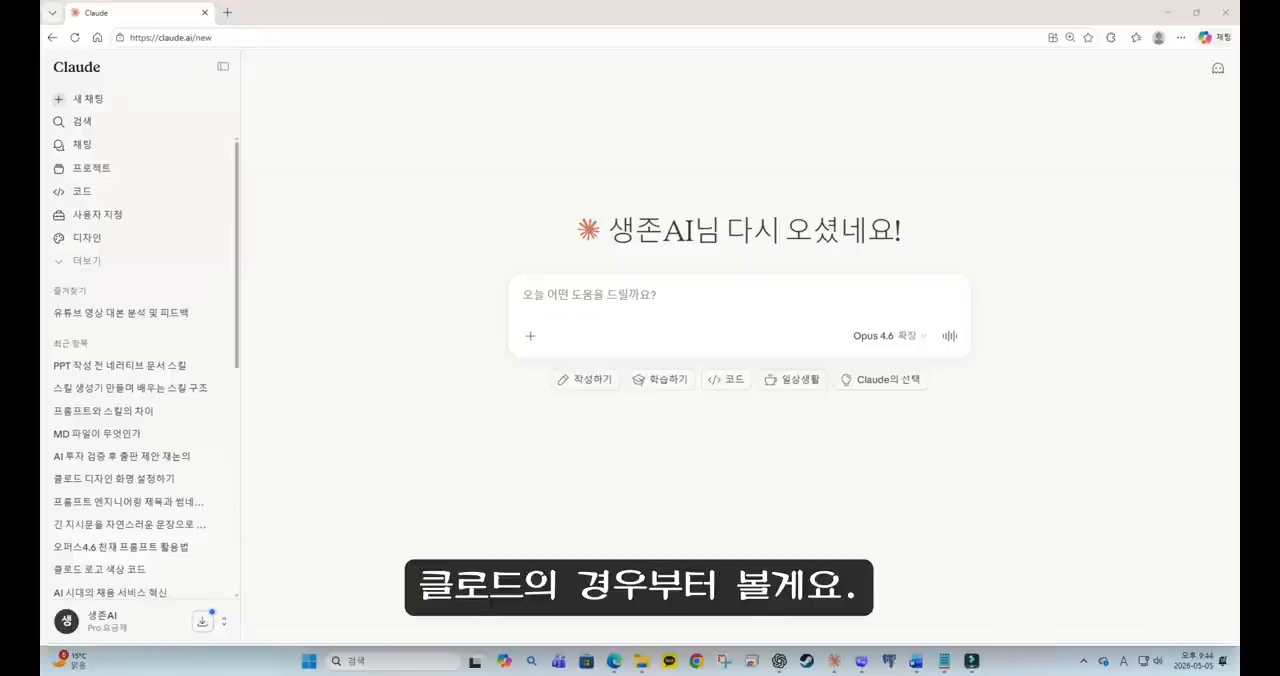
    This English version is a fuller translation and adaptation of the original Korean article, “AI 스킬 만들기, 파일 3개로 시작하는 Claude·GPT 업무 자동화,” for global readers. The article discusses the importance of creating AI skills, which involves turning prompts into reusable work automation. It highlights the difference between project instructions and skills, and how skills can be used to automate repetitive tasks. The article also provides a step-by-step guide on how to create AI skills using Claude and GPT/Codex, and offers tips on how to review and refine the skills.

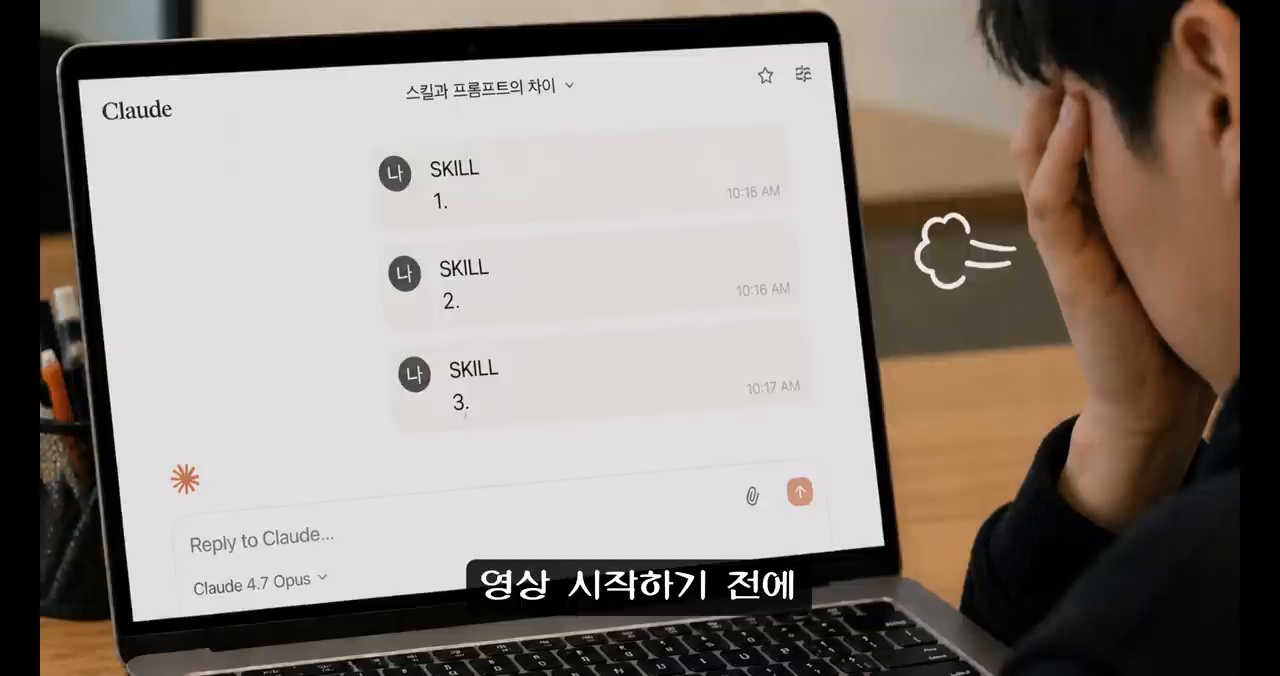
    how to create AI skills
    how to create AI skills.

    Original Korean article: AI 스킬 만들기, 파일 3개로 시작하는 Claude·GPT 업무 자동화

    Turning Prompts into Reusable Work Automation

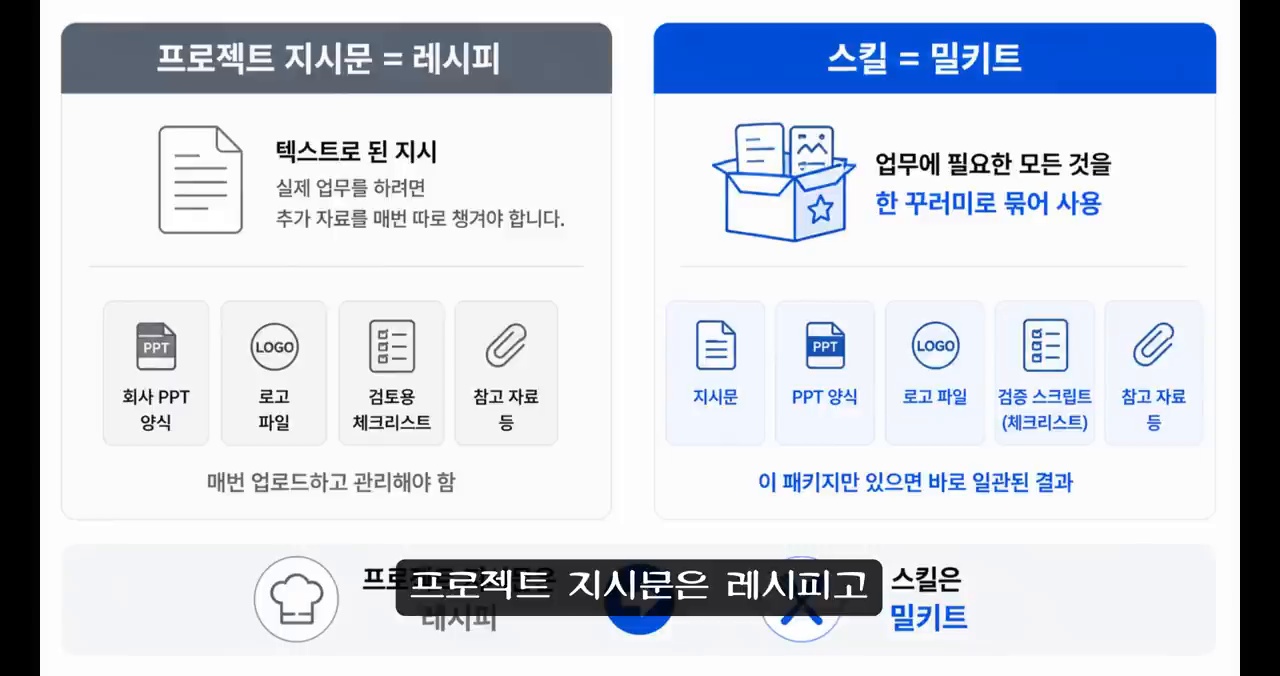
    The process of creating AI skills involves turning prompts into reusable work automation. This means that instead of writing a new prompt every time, you can create a skill that can be reused multiple times. The article uses the analogy of a recipe and a meal kit to explain the difference between project instructions and skills. Just as a recipe provides a set of instructions for cooking a meal, a skill provides a set of instructions for completing a task.

    Difference between Project Instructions and Skills

    Project instructions are specific to a particular project and provide a set of rules for completing a task. Skills, on the other hand, are more general and can be applied to multiple projects. Skills can include not only the instructions for completing a task but also the necessary materials, tools, and standards. This means that skills can be used to automate repetitive tasks and improve efficiency.

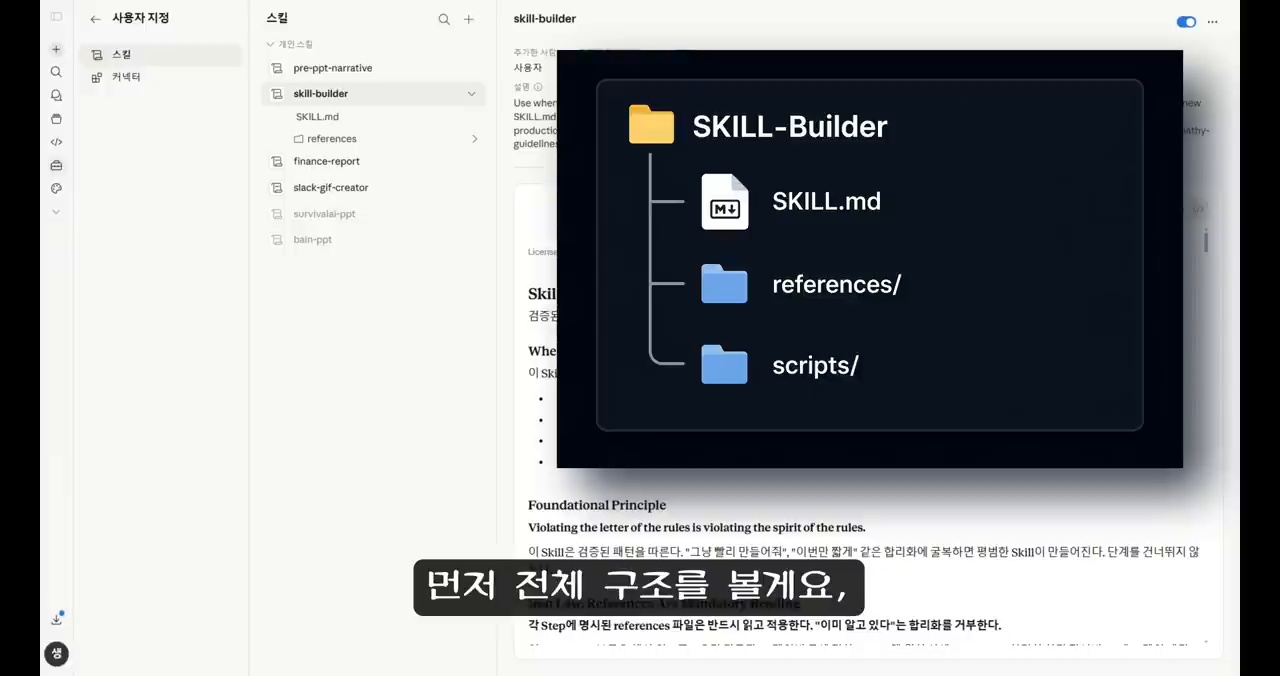
    AI skill package structure
    AI skill package structure.

    Why AI Skills are Important Now

    AI skills are important now because they can be used to automate repetitive tasks and improve efficiency. The article highlights the difference between early AI systems, which were limited to answering simple questions, and modern AI systems, which can perform complex tasks and make decisions. The article also discusses the role of prompt engineering in creating AI skills, and how it has changed over time.

    Role of Prompt Engineering

    Prompt engineering involves designing and optimizing prompts to get the best results from an AI system. The article highlights the importance of structuring prompts to get the best results, and how this can be used to create AI skills. The article also provides examples of how prompt engineering can be used to create AI skills, such as creating a skill for generating reports or creating a skill for automating data entry.

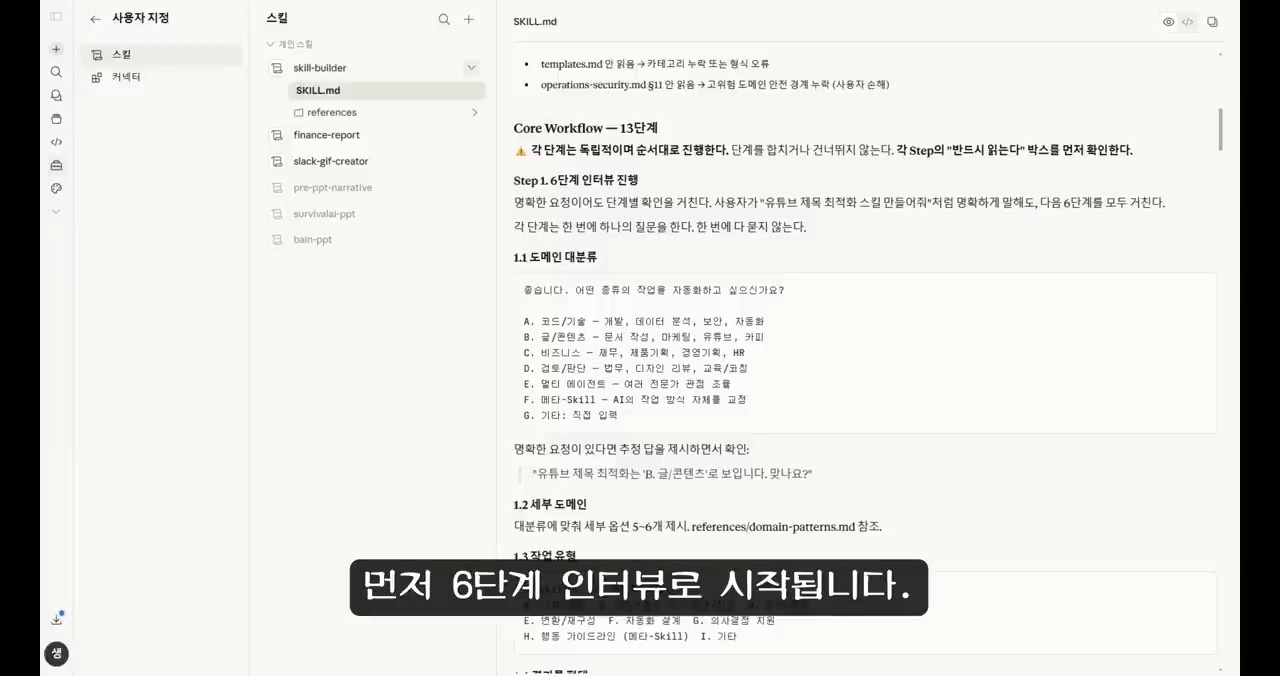
    SKILL.md as an execution guide
    SKILL.md as an execution guide.

    Basic Structure of AI Skills

    The basic structure of AI skills involves creating a set of instructions and materials that can be used to complete a task. The article highlights the importance of creating a clear and concise set of instructions, and how this can be used to create AI skills. The article also discusses the role of references and scripts in creating AI skills, and how these can be used to improve efficiency and accuracy.

    SKILL.md: The Execution Manual

    SKILL.md is the execution manual for an AI skill. It provides a set of instructions for completing a task, and can include information such as the materials and tools needed, the steps to follow, and the standards to meet. The article highlights the importance of creating a clear and concise SKILL.md, and how this can be used to create AI skills.

    references and scripts for AI automation
    references and scripts for AI automation.

    References: The Knowledge Base

    References are the knowledge base for an AI skill. They provide additional information and materials that can be used to complete a task, such as documents, templates, and scripts. The article highlights the importance of creating a clear and concise set of references, and how these can be used to improve efficiency and accuracy.

    Scripts: The Automation Tool

    Scripts are the automation tool for an AI skill. They provide a set of instructions that can be used to automate repetitive tasks, such as data entry or report generation. The article highlights the importance of creating clear and concise scripts, and how these can be used to improve efficiency and accuracy.

    Claude and GPT workflow automation
    Claude and GPT workflow automation.

    Creating AI Skills: A Step-by-Step Guide

    Creating AI skills involves a step-by-step process that includes defining the task, creating the SKILL.md, references, and scripts, and testing and refining the skill. The article provides a detailed guide on how to create AI skills using Claude and GPT/Codex, and offers tips on how to review and refine the skills.

    Conclusion: AI Skills are the Assets of the AI Era

    AI skills are the assets of the AI era. They can be used to automate repetitive tasks, improve efficiency, and enhance productivity. The article highlights the importance of creating AI skills, and how these can be used to improve business outcomes. The article also provides a checklist for creating AI skills, and offers tips on how to get started.

    FAQ

    What is the difference between AI skill creation and prompt writing?

    AI skill creation involves creating a set of instructions and materials that can be used to complete a task, while prompt writing involves writing a single prompt to get a specific response from an AI system.

    Can I create an AI skill with just a SKILL.md file?

    Yes, you can create an AI skill with just a SKILL.md file. However, it is recommended to include references and scripts to improve efficiency and accuracy.

    Can I use an AI skill created by someone else?

    Yes, you can use an AI skill created by someone else. However, it is recommended to review and refine the skill to ensure it meets your specific needs and requirements.

    What kind of tasks are suitable for AI skills?

    Tasks that are repetitive, have a clear set of instructions, and require minimal human judgment are suitable for AI skills. Examples include data entry, report generation, and customer service.

    Related Reading

    For more information on AI skills and prompt engineering, please refer to the following articles:

    References

    The following references were used in the creation of this article:

    • SURVIVAL AI, “클로드/GPT 스킬, 파일 3개면 끝 — 구조부터 실전 생성까지”
    • Claude Skills 및 GPT/Codex 스킬 생성 흐름은 각 서비스의 최신 메뉴와 정책에 따라 달라질 수 있습니다.