[태그:] Career Strategy

  • Listening to the Universe with Radio Telescopes

    Listening to the Universe with Radio Telescopes

    This English version of the article is a fuller translation and adaptation of the original Korean article, “AI 취업 공포가 던진 질문: 신입 채용 시장에서 무엇을 준비해야 할까”, for global readers. The article delves into the anxiety surrounding the job market due to the impact of Artificial Intelligence (AI) on employment, particularly for new graduates. It explores the changing landscape of job requirements, the need for adaptability, and the skills necessary to thrive in an AI-driven economy.
    AI job market anxiety for graduates
    AI job market anxiety for graduates.

    Original Korean article: AI 취업 공포가 던진 질문: 신입 채용 시장에서 무엇을 준비해야 할까

    Background of Growing AI Job Market Anxiety

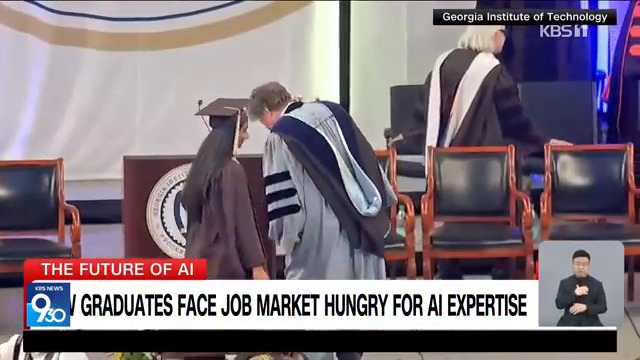
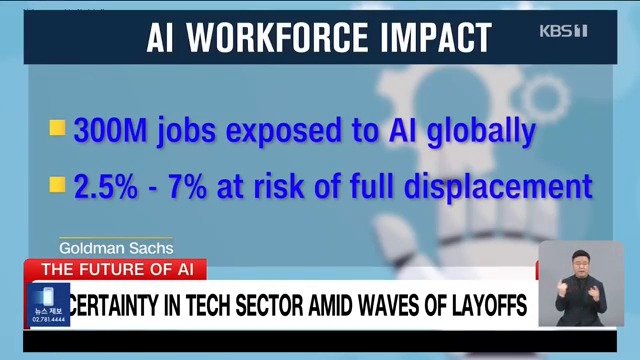
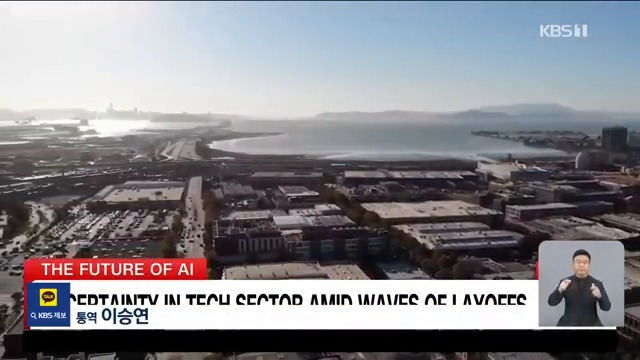
    The article begins by citing a report from KBS News on May 29, 2026, which highlights the challenges faced by graduates from prestigious universities in the United States in securing jobs in the tech industry. This trend is not limited to the US, as it also affects students, job seekers, and educators in Korea, raising questions about the skills required to succeed in the job market.

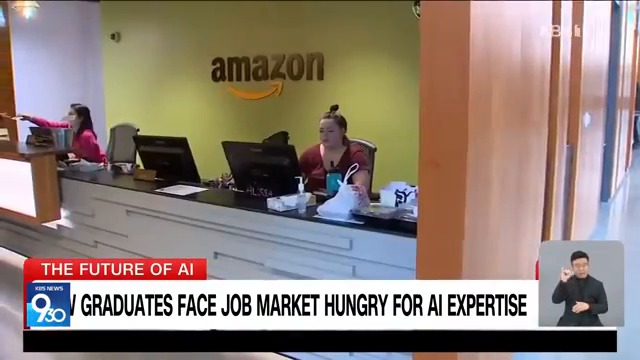
    The shift in the job market is attributed to the increasing use of AI, which has led to structural changes, reduced hiring, and cost-cutting measures in the tech industry. While having a degree in computer science was once a strong signal for securing a job in the tech industry, the landscape has changed, and the ability to work with AI has become a crucial factor.
    entry level hiring in the AI era
    entry level hiring in the AI era.

    Change in Entry Barriers Rather Than Replacement

    According to Goldman Sachs, generative AI could impact around 300 million jobs worldwide. However, this does not necessarily mean that all these jobs will disappear. Instead, many jobs will undergo changes, with some tasks being automated, and new ones emerging. The challenge lies in the fact that new graduates lack a proven track record, making it essential for them to demonstrate their ability to work with AI tools and produce results quickly.

    The article emphasizes that the focus should be on the change in entry barriers rather than replacement. While experienced professionals can rely on their existing performance and domain knowledge, new graduates need to demonstrate their ability to work with AI tools and produce results quickly.

    AI skills and career preparation
    AI skills and career preparation.

    Combination of Skills Rather Than a Single Major

    A student featured in a video mentions that they are double-majoring in computer science and accounting to connect technology with real-world business problems. This approach highlights the importance of combining skills and knowledge from different fields to succeed in the AI-driven economy.

    The article suggests that having a single major is no longer sufficient; instead, the ability to combine skills and knowledge from different fields, such as accounting, manufacturing, education, healthcare, and public administration, is becoming increasingly important. The focus should be on understanding real-world problems and being able to structure them using AI.
    college education and AI literacy
    college education and AI literacy.

    Social Issue 1: Youth Anxiety is Not Just a Personal Problem

    The article argues that viewing AI job market anxiety as a personal problem due to a lack of effort is misguided. The promise of a university degree leading to a stable job is weakening, and young people are being asked to acquire more skills and qualifications while companies demand more productivity with fewer employees.

    This creates a social issue, as university education is still focused on imparting knowledge in a specific major, while the job market requires skills such as project execution and AI utilization. Shifting the burden solely to individuals will only exacerbate anxiety.
    new graduate portfolio strategy
    new graduate portfolio strategy.

    Social Issue 2: AI Gap Becomes an Employment Gap

    The article highlights that the difference between those who can use AI tools effectively and those who cannot will result in a productivity gap. This gap can widen due to disparities in access to education, practice environments, and mentorship.

    Therefore, AI education should go beyond just coding skills and include the ability to break down questions, verify data, critically revise results, and design automation that fits the work context.

    Social Issue 3: Focusing Only on Disappearing Jobs Misses New Opportunities

    The article notes that while AI may lead to job displacement in some areas, it also creates new opportunities in fields such as data centers, semiconductors, power, cooling, security, networks, education, consulting, and regulatory compliance.

    Instead of focusing solely on whether to join an AI company, individuals should consider what new bottlenecks are emerging in their industry due to AI and position themselves to address these challenges.

    5 Skills for Individuals to Prepare

    The article outlines five essential skills for individuals to prepare for the AI-driven job market:

    • AI tool utilization: applying tools such as search, summary, coding, documentation, and data cleaning to real-world tasks
    • Domain understanding: connecting major knowledge to real-world problems
    • Verification ability: checking AI results for errors, biases, and sources
    • Work design ability: dividing repetitive tasks between AI and human roles
    • Communication ability: explaining AI-generated outputs in the organization’s language

    What Universities and Organizations Need to Change

    Universities should not view AI utilization solely as a means of preventing academic misconduct. Instead, they should teach students how to use AI in their major courses, how to verify results, and how to take responsibility for their outputs.

    Companies and public organizations should also change their approach to hiring and education. Rather than simply asking if a candidate has experience with AI, they should provide real-world data and ask them to define problems, design prompts, verify results, and write reports.

    Conclusion: Transition Strategy Over Fear

    The article concludes that while AI job market anxiety is real, it is essential to focus on developing a transition strategy rather than simply being fearful. The key question should be “What problems can I solve better with AI?” rather than “Will AI take my job?”

    What young people need is not just a collection of specs, but a practical portfolio that demonstrates their ability to connect their major with AI and real-world problems. Universities and organizations also have a clear role to play in redesigning their approach to education and work.

    Related Reading

    Continue with these related Thinknote English articles in the Digital Transformation cluster.

    FAQ

    What is this article about?

    This article explains a digital transformation, platform, market-structure, or technology-adoption topic with Korea-specific context and global implications.

    How should I use this guide?

    Use it to understand market signals and strategic patterns. Combine it with current market data before making business or investment decisions.

    Where can I read the original Korean article?

    The original Korean article is available here: AI Job Market Anxiety: What New Graduates Should Prepare For.


  • AI as a Civilization Shift: How Work and Careers Change in the Plus Human Era

    AI as a Civilization Shift: How Work and Careers Change in the Plus Human Era

    The Korean source interprets AI not as a temporary tool trend but as a civilization-level shift. In the Plus Human framing, people are not simply replaced by AI; they are pushed to combine with it. Work changes because knowledge becomes cheaper, understanding becomes more valuable, and tasks inside jobs are reorganized one by one.

    AI civilization shift and work
    AI civilization shift and work.

    Original Korean article: AI 문명 시대, 일과 직업은 어떻게 바뀌나: 김미경 플러스 휴먼 인터뷰 정리

    AI Is Closer to a New Electricity

    AI as the new electricity
    AI as the new electricity.

    AI is compared to electricity because it can enter every industry and everyday routine. It is not one app or one device. It becomes a general-purpose capability that changes how work is produced.

    This framing helps explain why people feel both excitement and fear. When a technology becomes infrastructure, every job must ask how it will connect to that infrastructure.

    Different From the Internet and SNS

    understanding becomes more valuable than knowledge
    understanding becomes more valuable than knowledge.

    The internet changed information access and SNS changed communication. AI enters the way people earn money more directly because it can draft, analyze, translate, code, design, summarize, and serve customers.

    That means adoption is not optional for many workers. Even if a person does not love AI, their workplace may begin measuring speed, quality, and cost with AI-assisted workflows in mind.

    Knowledge Gets Cheaper, Understanding Gets Expensive

    career change in the AI era
    career change in the AI era.

    AI lowers the cost of obtaining information and producing first drafts. But understanding the user, context, emotion, risk, and business situation becomes more valuable.

    The source distinguishes thinking from understanding. Mere thinking can become mechanical problem-solving; understanding includes context, empathy, motive, and judgment.

    Job Risk Arrives by Task, Not All at Once

    plus human working with AI
    plus human working with AI.

    The article avoids a simplistic “all jobs disappear” claim. Work is made of tasks, and AI enters tasks unevenly. Repetitive writing, summary, search, reporting, and analysis may change quickly; human-facing judgment may change differently.

    Therefore the practical question is: which parts of my job can AI do, which parts require human review, and which parts become more important because AI handles the rest?

    Look at Opening Doors, Not Only Closing Doors

    Some doors will close, but new roles appear around AI operation, review, integration, data preparation, training, content strategy, and human-centered service.

    The Plus Human attitude is to search for combinations. A person who knows a domain and learns AI can often create more value than either pure technology knowledge or old experience alone.

    Immediate AI Adaptation Checklist

    Find repetitive organizing tasks. Design questions instead of only searching. Reduce first-draft time and increase review time. List the tasks you can delegate to AI. Train understanding that only humans can provide.

    This checklist turns anxiety into action. The goal is not to become an AI engineer overnight; it is to redesign one’s own work with AI as a partner.

    Plus Human Means Combining With AI

    A Plus Human is not someone who passively waits to be replaced. It is a person who adds AI to their thinking, production, communication, and learning while keeping human judgment.

    This requires humility and agency at the same time: humility to learn new tools, agency to decide how those tools serve real human goals.

    Conclusion: Learn AI for Possibility, Not Only Fear

    The source concludes that learning AI should not be driven only by anxiety. It can also expand what individuals can create, learn, and offer.

    The better question is not “Will AI take my job?” but “Which part of my work can be amplified, and what human understanding should I strengthen because AI is here?”

    Practical Implications for Readers

    For readers using this article as a working reference, the practical lesson is to move from abstract interest to a concrete audit. Identify where the topic touches your own work, which assumptions are already outdated, what data or tools are missing, and which decision could be tested on a small scale before a larger commitment. Write that test down, assign an owner, and review evidence rather than impressions.

    The Korean source repeatedly treats technology, strategy, and human judgment together. That is why the safest next step is not blind adoption or passive worry. It is disciplined experimentation: define the problem, compare alternatives, verify results, protect sensitive information, and keep the human purpose visible while the tool or trend evolves.

    Related Reading

    Continue with these related Thinknote English articles in the Digital Transformation cluster.

    FAQ

    What is this article about?

    This article explains a digital transformation, platform, market-structure, or technology-adoption topic with Korea-specific context and global implications.

    How should I use this guide?

    Use it to understand market signals and strategic patterns. Combine it with current market data before making business or investment decisions.

    Where can I read the original Korean article?

    The original Korean article is available here: AI as a Civilization Shift: How Work and Careers Change in the Plus Human Era.

  • How to Prepare for the AI Era: Literacy, Judgment, and Human Value

    How to Prepare for the AI Era: Literacy, Judgment, and Human Value

    This English version is a fuller translation and adaptation of the original Korean article, “AI 시대의 승자는 무엇을 준비할까? 세바시 강연 6편에서 뽑은 핵심,” for global readers. The article explores the essential skills and mindset required to thrive in the AI era, based on a collection of lectures by six experts. As AI becomes a fundamental tool for work, study, and creativity, the true difference lies in the ability to read the changing flow, redefine problems, and create value that resonates with people.

    prepare for the AI era
    prepare for the AI era.

    Original Korean article: AI 시대의 승자는 무엇을 준비할까? 세바시 강연 6편에서 뽑은 핵심

    Winners in the AI Era Read the Structure of Change

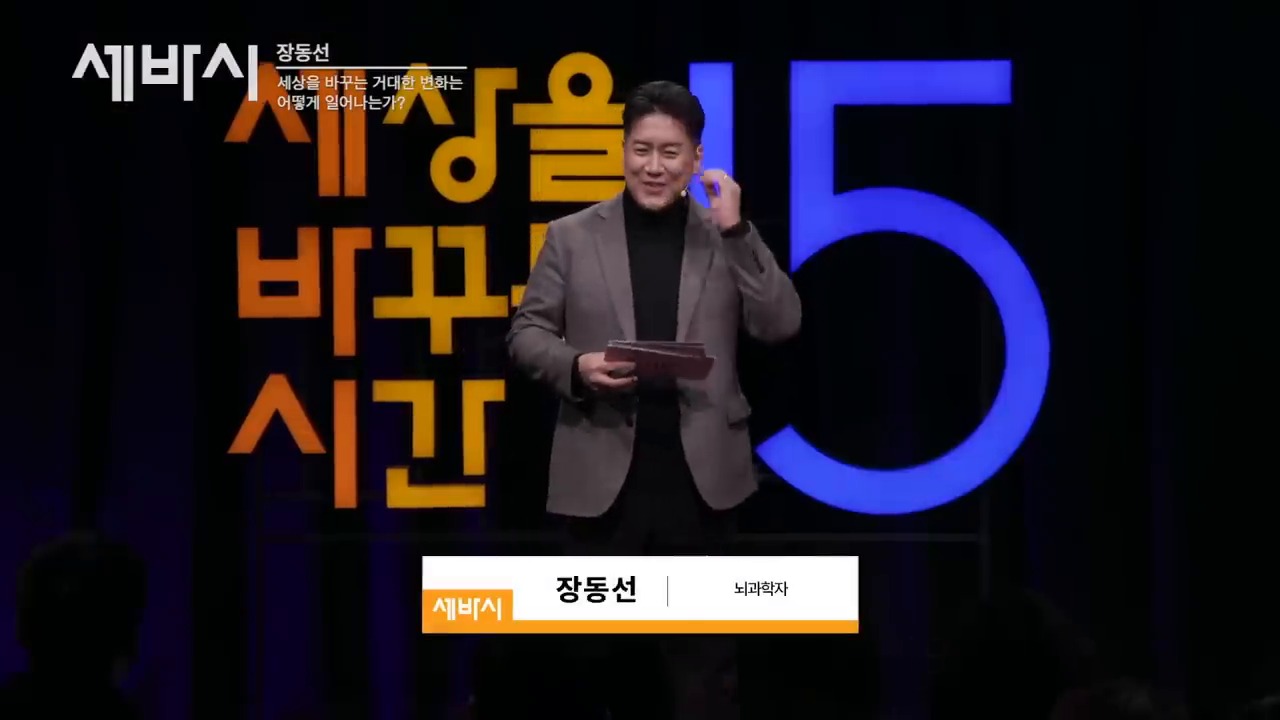
    According to Jang Dong-seon, change is not just about the emergence of new products, but about altering people’s behavior, relationships, and social systems. The true power of change lies in its ability to transform these fundamental aspects of human society. In the context of AI, it’s essential to look beyond the surface level of new tools and technologies and understand the underlying structure of change.

    Direction of Change is More Important than Tool Names

    The names of AI tools are constantly changing, and what’s trendy today may become a basic function tomorrow. Instead of asking “which tool should I learn,” it’s more important to ask: What behavior does this technology make easier? Why do people choose this technology? What assumptions in my work are being challenged? What new expectations will customers, colleagues, and organizations have as a result of this change? Winners in the AI era focus on understanding the structure of change rather than just following new features.

    AI literacy and future scenarios
    AI literacy and future scenarios.

    In an Uncertain Future, Multiple Scenarios are Necessary

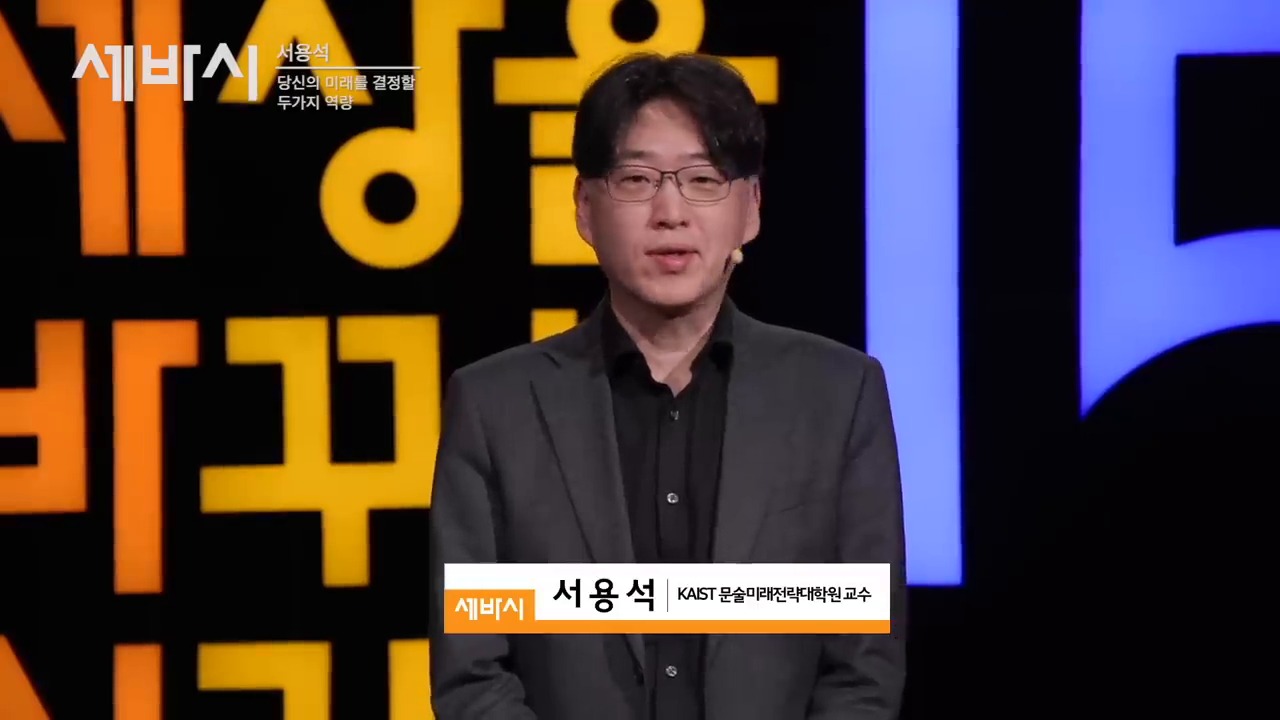
    Seo Yong-seok describes the current era as one of “super uncertainty,” characterized by climate crises, geopolitical conflicts, technological shocks, and economic changes. In such an environment, making definitive predictions about the future can be hazardous. Instead, it’s essential to develop the ability to imagine multiple possible futures and prepare for various scenarios.

    Future Literacy is the Ability to Reduce Shock

    Future literacy is not about predicting the future accurately but about being able to imagine multiple possible futures and prepare for them. This ability is crucial for individuals and organizations to navigate the complexities of the AI era. By developing future literacy, we can reduce the shock of unexpected events and create a more resilient and adaptable mindset.

    human relationships in the AI era
    human relationships in the AI era.

    AI Proximity Increases the Importance of Human Relationship Safety Nets

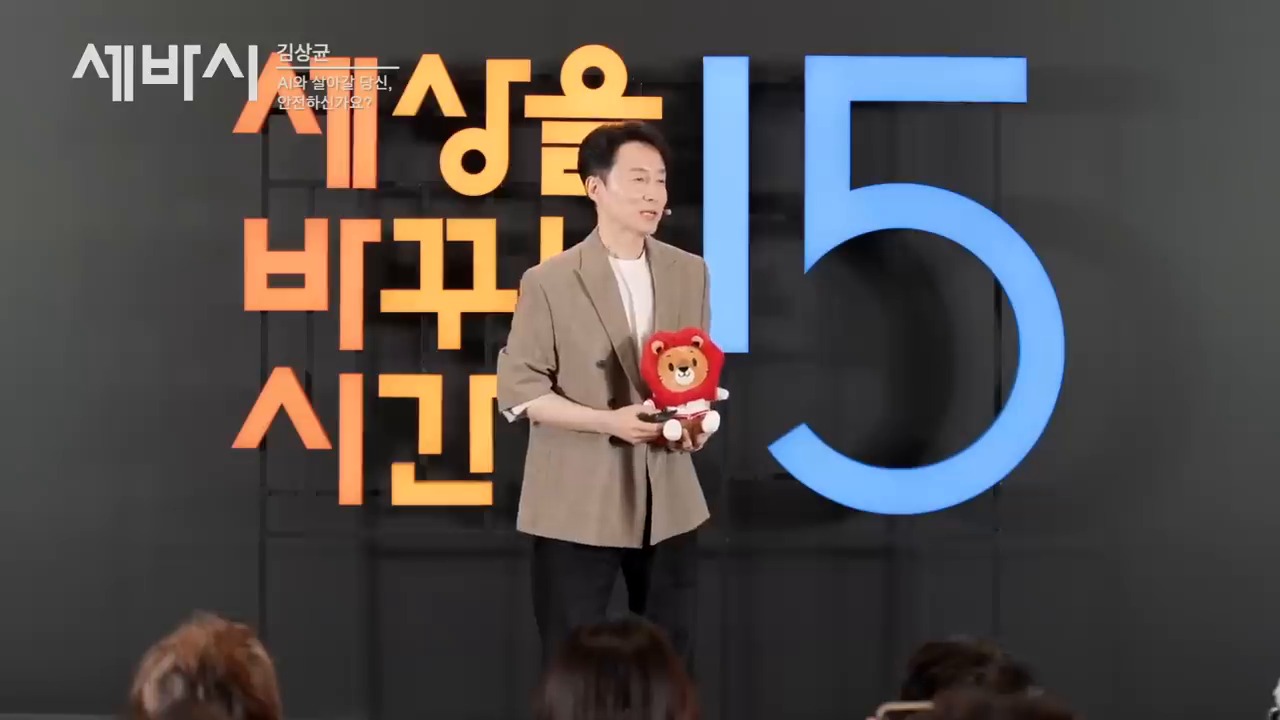
    Kim Sang-gyun highlights the potential for people to become emotionally dependent on AI characters and conversational technologies. As AI becomes more natural and responsive, we may start to see it as a relationship partner rather than just a machine. However, this can lead to a weakening of human relationships if we rely too heavily on AI for emotional support.

    AI Utilization Ability Includes Boundary Sense

    While AI can be useful for providing comfort, advice, and conversation, it’s essential to maintain a sense of boundaries and not rely solely on AI for emotional support. In the workplace, AI can assist with tasks, but human judgment, responsibility, and trust-building are still essential. A strong safety net in the AI era requires a combination of technological proficiency, boundary sense, and human relationships.

    problem solving with AI tools
    problem solving with AI tools.

    Literacy is the Basic Fitness for the AI Era

    Lee Jung-mo emphasizes that literacy is not just about reading texts but about understanding information, connecting contexts, and evaluating the validity of explanations. In an era where AI can generate answers quickly, literacy is more crucial than ever. It’s essential to develop the ability to critically evaluate AI-generated content and ask questions like: What is the basis for this answer? Are there any missing conditions? Are there alternative interpretations?

    Answer-Receiving Ability is Less Important than Answer-Judging Ability

    AI can produce plausible sentences rapidly, but that doesn’t mean they are always accurate or relevant. It’s essential to develop the ability to judge answers critically, considering factors like context, assumptions, and potential biases. By doing so, we can use AI-generated content as a starting point for further inquiry and exploration.

    AI era checklist for work and learning
    AI era checklist for work and learning.

    AI is a Problem-Solving Tool, Not a Technology for Show

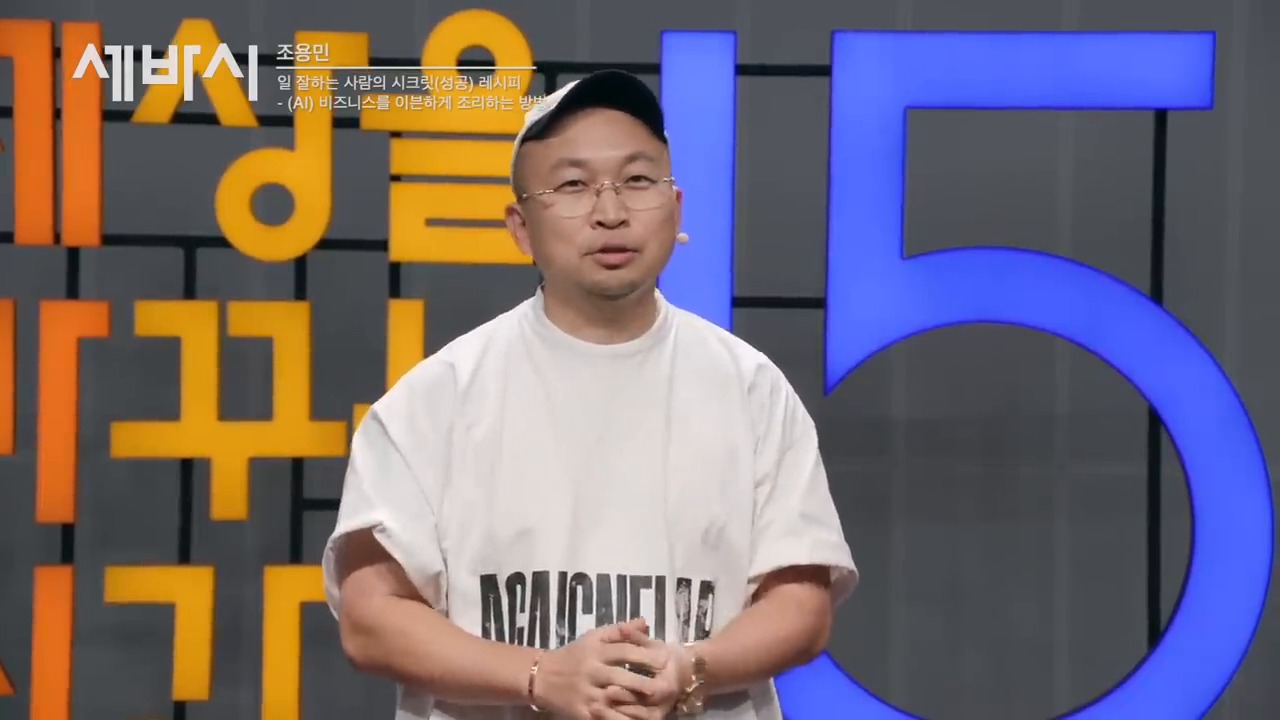
    Jo Yong-min cautions against adopting AI as a trendy technology without a clear understanding of its purpose. True utilization of AI begins when we accurately identify the problems we want to solve. It’s essential to define problems clearly, break them down into smaller parts, and distinguish between tasks that AI can handle and those that require human judgment.

    Good AI Utilization Starts with Problem Definition

    Instead of asking “should we use AI,” it’s more important to ask “what problem do we want to solve with AI?” By focusing on problem definition, we can use AI as a tool to enhance productivity and creativity, rather than just as a means to showcase technology.

    Ultimately, Human-Selected Value is the Survival Strategy

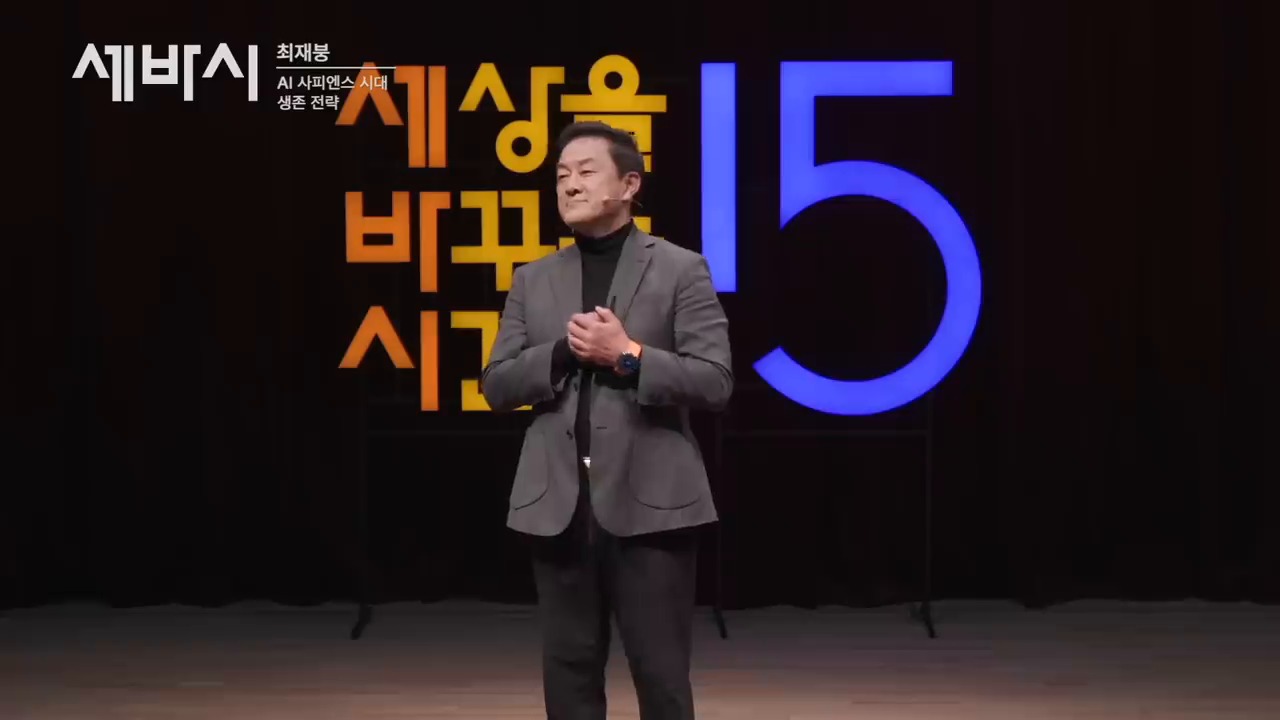
    Choi Jae-bung emphasizes that while AI can accelerate production and reduce costs, the ultimate value lies in being chosen by people. Whether it’s a product, service, or idea, its value is determined by the people who use it, interact with it, and recommend it to others. In the AI era, it’s essential to develop the ability to understand human problems, design better experiences, and build trust.

    Subscriptions and Likes are Not Just Simple Buttons

    Subscriptions and likes are digital signals of human selection. People invest time in things that are helpful, enjoyable, trustworthy, and meaningful to them. Companies and individuals who fail to receive these signals may struggle to survive, even with advanced AI capabilities. Therefore, preparation for the AI era requires a combination of technological proficiency, human understanding, and trust-building abilities.

    Practical Checklist for Winners in the AI Era

    To prepare for the AI era, it’s essential to start with small, practical steps. Here’s a checklist to get you started: Measure the time saved by using AI for one task per week, review AI-generated content for accuracy and context, distinguish between repetitive and judgment-based tasks, record customer or colleague pain points, and manage human relationships, trust, and communication alongside AI utilization. Remember, the key is not just about knowing AI but about using it to solve problems, create value, and build meaningful relationships.

    Related Reading

    Continue with these related Thinknote English articles in the Digital Transformation cluster.

    FAQ

    What is this article about?

    This article explains a digital transformation, platform, market-structure, or technology-adoption topic with Korea-specific context and global implications.

    How should I use this guide?

    Use it to understand market signals and strategic patterns. Combine it with current market data before making business or investment decisions.

    Where can I read the original Korean article?

    The original Korean article is available here: How to Prepare for the AI Era: Literacy, Judgment, and Human Value.

  • AI and the Future of Work: Why Meaning Matters More Than Job Loss Predictions

    AI and the Future of Work: Why Meaning Matters More Than Job Loss Predictions

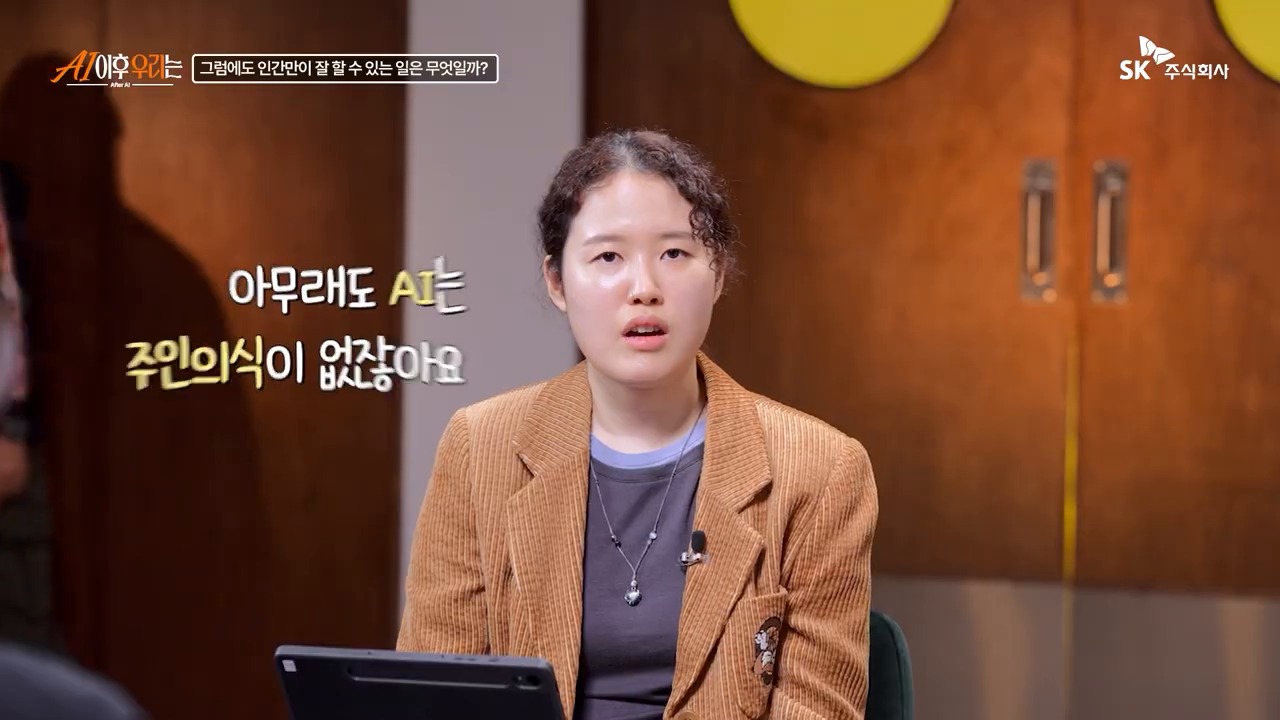
    This English version of the article is a fuller translation and adaptation of the original Korean article, AI와 일의 미래: 사라지는 직업보다 먼저 봐야 할 ‘일의 의미’, for global readers. The original article explores the impact of AI on the future of work, emphasizing that the focus should be on the meaning of work rather than just job loss predictions. As we delve into the discussion of AI and the future of work, many people’s initial concern is, “Will my job disappear?” However, the SK YouTube series (AI 이후 우리는) EP.1 “AI와 일” poses a different question, highlighting that the crucial aspect is not just about which jobs will remain or disappear, but rather what meaning work holds for humans and how that meaning will change in the AI era.

    AI and the future of work career redesign
    AI and the future of work is about redefining roles, careers, and meaning.

    Original Korean article: AI와 일의 미래: 사라지는 직업보다 먼저 봐야 할 ‘일의 의미’

    AI and the Future of Work: Redefining Rather Than Replacing

    The video features a publisher marketer, HR specialist, writer, and a creator who combines cleaning and art. Although their experiences differ, the common message is clear: the changes brought about by the AI era are not just about simple job replacement, but also about how we work, the structure of organizations, and the criteria for careers. The article will cover the main arguments, including how AI changes the structure of work, the evolving roles of administrators and team leaders, the required talent and career strategies for the future, human strengths that AI cannot replicate, and the checklist for individuals and organizations to prepare for the AI-driven work environment.

    What This Article Will Cover

    The main points to be discussed include the fact that AI changes the structure of work, not just job titles; the shifting roles of administrators and team leaders; the necessary talent and career strategies for the future; human strengths that AI cannot replicate; and the checklist for individuals and organizations to prepare for the AI-driven work environment. The article will also explore how AI is redefining work, making it more about solving problems and creating value rather than just performing tasks.

    AI Redefines Work: From Job Titles to Problem-Solving

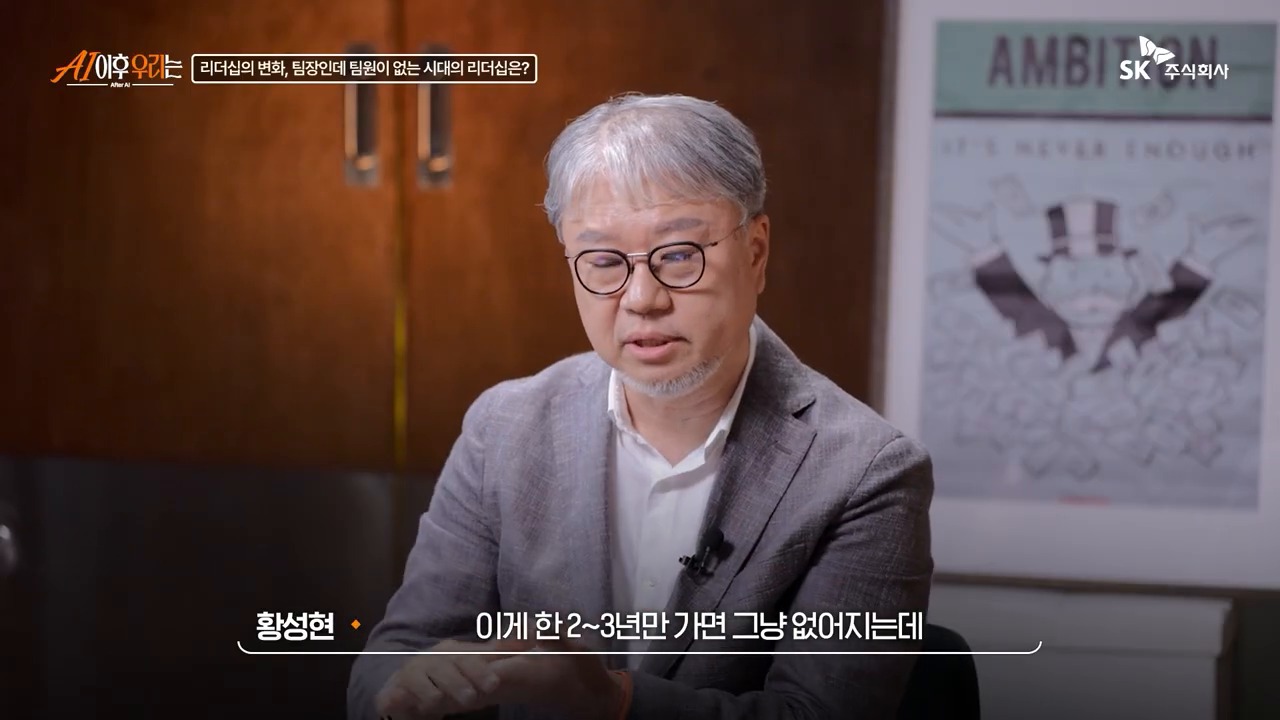
    In the video, the panelists ask, “What is work?” rather than “Which jobs will disappear?” HR specialist Professor Hwang Seong-hyun explains that work is about solving specific problems in one’s position. This perspective is especially important in the AI era. Job titles may change, but organizations and markets still have problems that need to be solved. Ultimately, the focus shifts from “What is my job title?” to “What problems can I solve?”

    human workers and AI productivity pressure
    AI can increase productivity while also creating new expectations and burdens.

    Logic and Analysis: No Longer Exclusive to Humans

    Traditionally, companies have valued logic, analysis, and diligence when hiring and training employees. However, the video points out that AI is rapidly replacing humans in the front end of logic and analysis. AI can already handle tasks such as drafting reports, market research, coding feedback, and data summarization. This does not mean that human roles become obsolete; instead, the questions become more challenging. Humans need to determine how to connect AI-analyzed results to specific goals and contexts, make responsible decisions, and create new value.

    AI Can Increase Work, Not Just Reduce It

    An interesting point is that while AI may seem to reduce work, it can also lead to an increase in work. The publisher marketer in the video uses AI as a personal assistant and notes that “I end up doing more work because I can do things I previously put off.” In the past, many tasks were abandoned due to lack of resources, manpower, or technology. Now, with AI tools, non-developers can automate simple tasks or conduct experimental planning. Marketers can analyze data, planners can create prototypes, and one-person teams can work with multiple agents, making these scenarios a reality.

    organization structure changes in AI era
    AI may flatten organizations and change the role of managers.

    The Hidden Burden Behind Increased Productivity

    AI saves time but also raises expectations. When people say, “Now that we have AI, can’t you do that?” an individual’s workload expands. Therefore, preparing for the future of work with AI is not just about learning how to use tools; it’s about redefining what needs to be done and what doesn’t. This requires the ability to distinguish between tasks that are necessary and those that are not, in the context of AI-driven work environments.

    Organizations Become Flatter, and Administrators’ Roles Change

    One of the most impressive topics in the video is the change in organizational structure. In the past, organizations operated with frontline workers creating data, middle managers reviewing it, and executives making decisions. However, as AI takes over data investigation, organization, feedback, and part of goal setting, the significance of the middle layer weakens. This change is not just about reducing the number of team leaders; it’s about administrators’ roles shifting from being transmitters and reviewers to becoming value designers, context providers, and responsible decision-makers.

    career strategy for the AI era
    Career strategy moves from fixed jobs to creating valuable work.

    Team Leaders Without Team Members, Managers Without Subordinates

    The video mentions expressions like “team leaders without team members” and “managers without subordinates.” As organizations downsize and structures that work with AI agents increase, having many people under one’s management may no longer be the core indicator of leadership. Future leaders will be evaluated not by how many people they manage, but by their ability to define problems, combine AI, people, and processes to achieve results, and demonstrate the value they add.

    What Makes a Person Excel in the AI Era?

    In the past, individuals who diligently performed their assigned tasks received good evaluations. While diligence is still important, the video suggests that the era where one can survive with diligence alone is coming to an end. The person who excels in the AI era is someone who, even in situations without clear answers, maintains curiosity, creates their own manual, and takes responsibility for projects from start to finish. In simpler terms, having a “sense of ownership” is becoming crucial again.

    Those Who Can Leave Are More Likely to Stay

    A phrase that strongly resonates from the video is, “Those who can leave are likely to stay, and those who want to stay may find it difficult.” The ability to leave does not mean taking the company lightly; it means having problem-solving skills that are valued in the market and having one’s unique work. The security that relies solely on organizational protection may weaken. In contrast, individuals who can create value anywhere are more likely to be needed within organizations for a longer period.

    From Entrepreneurship to Creating One’s Own Job

    The video takes the notion of “finding one’s work” a step further, suggesting that one must “create their own job.” Creating one’s job means defining one’s unique work. For example, instead of simply saying, “I’m a marketer,” one could define themselves as “a person who uses AI tools to quickly design content experiments and customer response analysis for small brands.” Similarly, instead of saying, “I’m an HR person,” one could say, “I’m a person who redesigns roles in the AI era and creates talent growth systems.”

    human meaning and work in the age of AI
    Meaning becomes important when AI changes what work looks like.

    Companies Become Learning Platforms

    The publisher marketer in the video describes a company as a place where individuals can experiment with small projects. The company’s resources are utilized to try new things, and those experiences become part of the individual’s capabilities. This perspective is important. In the AI era, the workplace may become more like a project space where people come together to solve bigger problems rather than a lifelong enclosure. Organizations should tell individuals, “Grow here, and become strong enough to leave,” rather than “Stay with us forever.”

    What Can Humans Do Better Than AI?

    In the final part of the video, author Kim Ye-ji explains human strengths as “a sense of ownership” and “the ability to go beyond prompts.” AI performs well on tasks it is given, but humans can identify problems that were not asked. For instance, while cleaning, a human might notice and remove a spider web that the customer didn’t mention. This illustrates the human role in the AI era: not just as executors, but as individuals who read context, look beyond requests, and propose better outcomes responsibly.

    Ask What You Can Take Responsibility For, Not What AI Can’t Do

    Many people seek to find tasks that AI can never do. However, following the video’s narrative, this question may not be sustainable. Today, creative work might seem safe, but tomorrow, AI for generating art might emerge. Blue-collar jobs might seem secure, but then humanoid robots could appear. A more realistic question is, “What can I take responsibility for on top of what AI does?” Individuals who can answer this question will be better prepared for the future of work with AI.

    Checklist for Individuals and Organizations

    Accepting the future of work with AI with vague anxiety can lead to delayed responses. Using the following checklist, one can examine their current work and organization. This preparation is crucial for navigating the changes brought about by AI in the workplace.

    FAQ: Frequently Asked Questions About AI and the Future of Work

    Will AI Really Replace All Jobs?

    It’s unlikely that all jobs will disappear at once. The key point is that repetitive, analytical, and review tasks within jobs are likely to change rapidly. It’s more realistic to look at changes in terms of task units rather than job titles.

    Is It Still Meaningful to Join a Company in the AI Era?

    Yes, it is. The important point is that the meaning of joining a company may shift from lifelong security to project experiences, resource utilization, and collaborative learning. A good company should be a place where individuals can solve bigger problems and grow.

    What Are the Most Important Skills for the Future?

    Based on the video’s core message, problem definition, sense of ownership, curiosity, responsible decision-making, and AI utilization skills are crucial. Especially, the ability to create one’s own criteria and take responsibility for outcomes in situations without clear answers is essential.

    Will Administrators Become Obsolete?

    It’s not that the role of administrators will completely disappear, but their roles are likely to change. Administrators focused on data transmission, simple review, and schedule management may become less important, while leaders who design goals, combine people and AI to achieve results, and make responsible decisions will become more crucial.

    Conclusion: The Future of Work with AI is About Working Differently, Not Less

    The final message of the video is neither simplistic optimism nor fear. AI will undoubtedly change many aspects of work. However, for humans, work is not likely to disappear completely; instead, its form and meaning will change. The best way to prepare for the future of work with AI is not to focus solely on the question, “Will AI take my job?” but to redefine the problems one solves, embrace AI as a tool, and create one’s unique value within and outside organizations.

    The crucial question is, “What judgments and responsibilities can I add on top of what AI can do?” Individuals who can answer this question will be better prepared to thrive in the future work environment and the market beyond their current organizations.

    References

    – (SK YouTube – “AI will earn your salary, you just play” 5 years later, a world where you don’t have to work to eat has arrived? | AI 이후 우리는) EP.1 “AI와 일”

    Related Reading

    Continue with these related Thinknote English articles in the Digital Transformation cluster.

    FAQ

    What is this article about?

    This article explains a digital transformation, platform, market-structure, or technology-adoption topic with Korea-specific context and global implications.

    How should I use this guide?

    Use it to understand market signals and strategic patterns. Combine it with current market data before making business or investment decisions.

    Where can I read the original Korean article?

    The original Korean article is available here: AI and the Future of Work: Why Meaning Matters More Than Job Loss Predictions.