
[태그:] Developer Tools

  • AI Token Diet: What Headroom Teaches About Cutting LLM Agent Costs

    AI Token Diet: What Headroom Teaches About Cutting LLM Agent Costs

    This English version is a fuller translation and adaptation of the original Korean article, “넷플릭스 개발자의 토큰 다이어트: Headroom이 보여준 AI 비용 절감법,” for global readers. The article discusses the importance of reducing token costs when using AI agents, and how the open-source project Headroom can help achieve this goal. As AI agents become more prevalent in various industries, the need to optimize their performance and reduce costs becomes increasingly important. One of the key challenges in using AI agents is the high cost of tokens, which can quickly add up and become a significant expense. In this article, we will explore the main arguments and findings of the original Korean article and provide a comprehensive overview of the topic.

    AI token diet with Headroom
    AI token diet with Headroom.

    Original Korean article: 넷플릭스 개발자의 토큰 다이어트: Headroom이 보여준 AI 비용 절감법

    What is Headroom?

    Headroom is a context compression layer that compresses the input sent to LLM (Large Language Models) by AI agents. According to the GitHub repository description, it is a tool that reduces tool output, logs, files, and RAG (Retrieval-Augmented Generation) chunks before they reach the LLM. Headroom is not just a simple prompt compression tip, but rather a developer tool that can be used in various forms, such as a library, proxy, MCP (Model-Parallel Computing) server, or agent wrapper. It can be used in front of coding agents like Claude Code, Codex, Cursor, and Aider to reduce token waste.
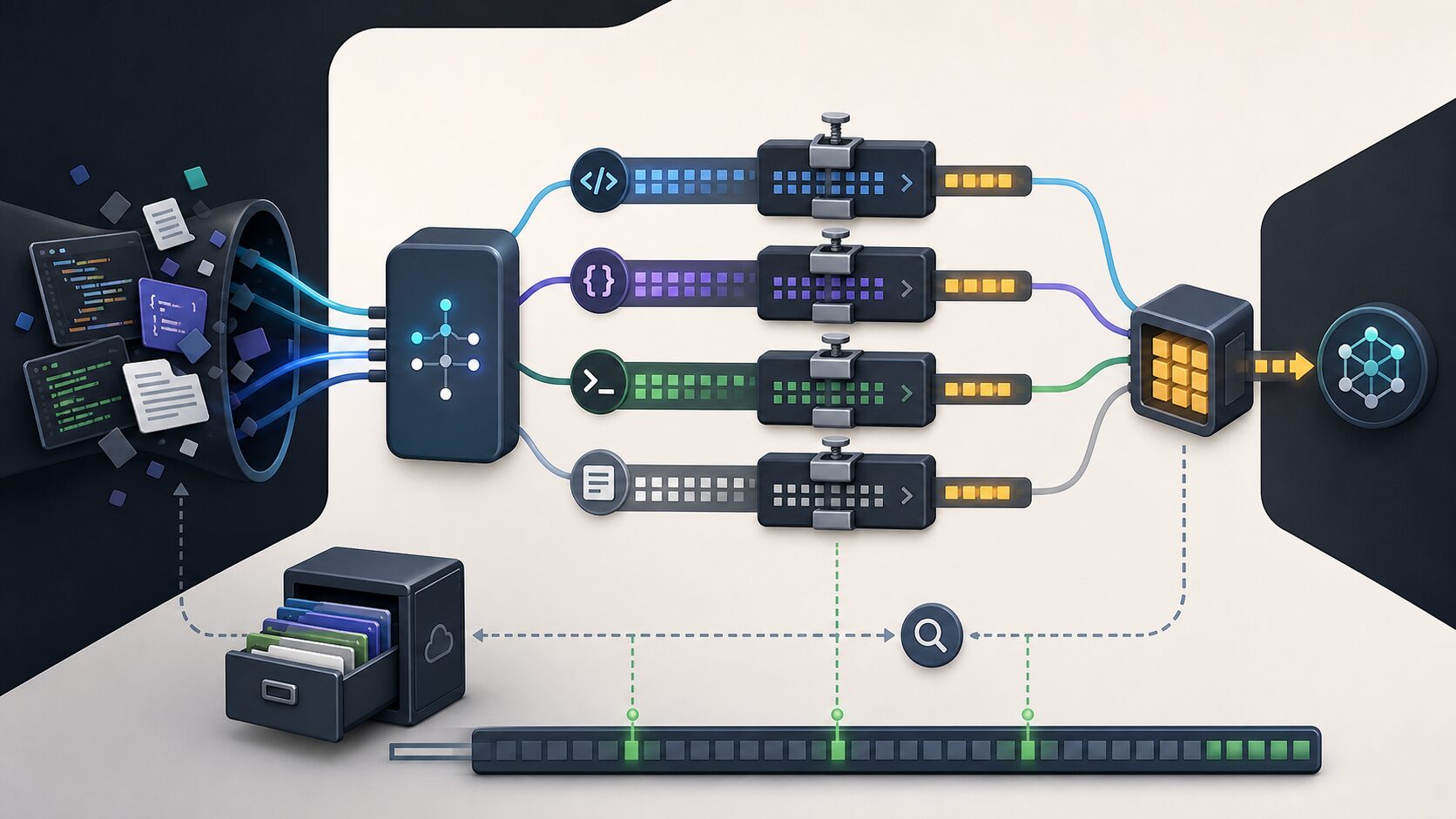
    LLM agent cost optimization
    LLM agent cost optimization.

    Why do AI agent costs increase?

    When using chatbots, users input questions and receive answers. However, AI agents are different. They read files, search, check logs, call tools, and put the results back into the LLM. The problem is that this process creates a lot of duplication. The same error logs are entered multiple times, unnecessary file contents are included, and RAG search results are too broad. Even information that seems like noise to humans can incur token costs. According to The Register, Tejas Chopra, the creator of Headroom, became interested in token reduction after receiving a $287 bill while using Claude Sonnet. He then discovered that many inputs were not necessary for actual reasoning, but rather consisted of repetition, boilerplate, and duplicate data.

    Headroom’s Core Structure

    The Headroom README explains the structure as consisting of components like CacheAligner, ContentRouter, CCR (Context Compression and Retrieval), SmartCrusher, CodeCompressor, and Kompress-base. Although the names may seem complex, the flow can be understood in a practical sense. First, ContentRouter distinguishes the type of input. Reducing code, JSON, logs, and plain text in the same way can lead to errors, so it is essential to determine the nature of the content first. Second, CodeCompressor and SmartCrusher carefully reduce structured data like code and JSON. Reducing code can damage identifiers or grammar, leading to more loss than gain. Third, CCR stores the original content locally and retrieves it when necessary. It sends only the compressed version but allows the model to retrieve the original content if needed. Fourth, CacheAligner stabilizes the input prefix to prevent the provider’s cache from being broken. Simple compression can lower the cache hit rate, ultimately increasing costs. This is where Headroom differs from simple prompt summarization tools.

    context compression for logs and files
    context compression for logs and files.

    What do the numbers mean?

    The Headroom README claims that it can reduce tokens by 60-95% in actual agent workloads. Examples include code search, SRE incident debugging, GitHub issue triage, and codebase exploration, which show significant reduction rates. However, it is essential to note that these numbers do not guarantee the same results for all organizations. Some tasks may have a lot of logs and search results, making them more prone to reduction. On the other hand, short questions or well-organized inputs may not have many tokens to reduce. Therefore, the practical judgment standard is not just about how much reduction is promised, but rather about measuring input tokens, output tokens, latency, cache hit rate, and failure rate in the actual agent workflow.

    Signals that a team needs token diet

    Teams that should consider introducing Headroom or similar tools are those that exhibit certain signals. These include: coding agents that repeatedly read large repositories, logs and test results that are attached to every request, RAG search results that are overly broad, system prompts and policy documents that are repeated continuously, and AI tool utilization that is halted due to usage limits or monthly costs. In such situations, it is essential to examine the context structure before changing the model. The problem may not be the expensive model itself, but rather the structure that continuously sends unnecessary inputs to the expensive model.

    5 Lessons for Organizations

    First, AI cost optimization is not just a financial issue, but an engineering problem. Costs are determined by token structure, tool calls, cache design, and RAG quality. Second, prompt compression is the last step. It is essential to reduce search results, remove duplicates, and read only necessary files before compressing sentences. It is challenging to solve waste that is not reduced at the source through sentence compression alone. Third, compression must be accompanied by quality verification. If the answer is incorrect, even if the tokens are reduced, it is a failure. This is why Headroom provides benchmarks and reproduction commands. Fourth, cache-preserving design is crucial. Provider prompt caches can be ineffective if the input changes slightly. If the reduction tool breaks the cache, the total cost may increase. Fifth, preserving the original content is essential. If AI only looks at compressed information, it may miss important context. Having a structure that can retrieve the original content when needed is safe.

    Pre-Introduction Checklist

    When reviewing Headroom or similar tools, check the following items first: Are you currently measuring input tokens and output tokens for each agent task? Do you have topK and duplicate removal criteria for RAG search results? Are you putting logs, files, and test results in their entirety? Can you compare the answer rate and task success rate before and after compression? Are you safely protecting code, JSON, security policies, URLs, and identifiers? Is the cache hit rate maintained after compression? Do you have a fallback to turn off compression and re-run in case of failure?

    Conclusion: AI costs are a design problem, not a usage problem

    The insight provided by Headroom is not just about reducing tokens, but about how AI agents fit into an organization’s workflow. When AI agents become part of the workflow, the key capability is how to collect, reduce, preserve, and reuse context. In the future, good AI systems will not just have good models, but will also be able to send only necessary information, reduce duplication, utilize caches, and return to the original content in case of failure. Token diet is not just a cost-reduction technique, but also the starting point for AI operation design.

    Related Reading

    Continue with these related Thinknote English articles in the Digital Transformation cluster.

    FAQ

    What is this article about?

    This article explains a digital transformation, platform, market-structure, or technology-adoption topic with Korea-specific context and global implications.

    How should I use this guide?

    Use it to understand market signals and strategic patterns. Combine it with current market data before making business or investment decisions.

    Where can I read the original Korean article?

    The original Korean article is available here: AI Token Diet: What Headroom Teaches About Cutting LLM Agent Costs.
  • Vibe Coding for Beginners: The IT Map You Need Before AI Writes Code

    Vibe Coding for Beginners: The IT Map You Need Before AI Writes Code

    This English version is a fuller translation and adaptation of the original Korean article, “바이브 코딩 입문자가 막히는 이유, 코딩보다 먼저 알아야 할 IT 지도,” for global readers. The article discusses the importance of understanding the basics of IT and coding before diving into vibe coding, a new way of coding that utilizes AI tools to generate code quickly. However, the article highlights that relying solely on AI tools can lead to confusion and frustration when dealing with errors and understanding the underlying structure of the code.

    vibe coding for beginners IT map
    vibe coding for beginners IT map.

    Original Korean article: 바이브 코딩 입문자가 막히는 이유, 코딩보다 먼저 알아야 할 IT 지도

    Understanding the Structure is More Important than the Tool

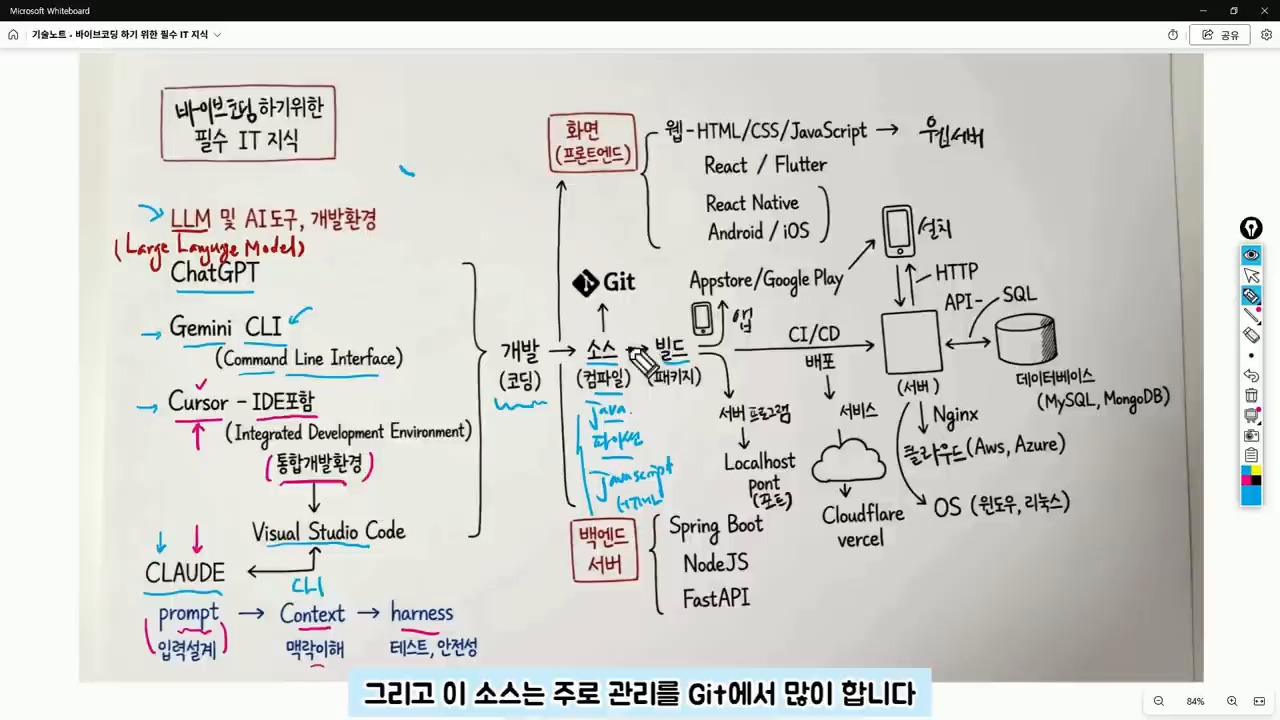
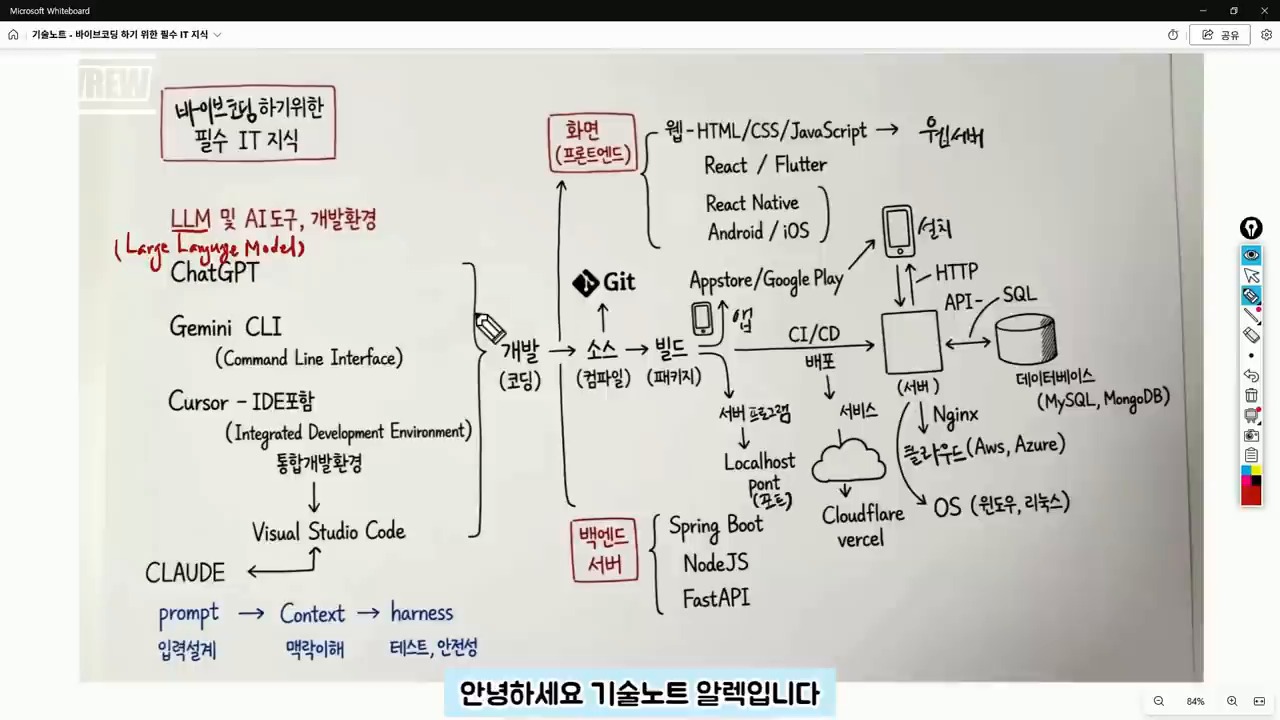
    Even in an era where AI can write code for us, the fundamental structure of development remains the same. In fact, beginners need to have a broader understanding of the IT map to navigate and modify the code generated by AI tools. This includes understanding the difference between frontend and backend code, identifying errors, and knowing how to deploy the code to a server or cloud.

    Judgment is Still a Human Responsibility

    While AI can generate code quickly, it’s essential to remember that the user is still responsible for making judgments about the code. This includes answering questions such as: Is this code for the frontend or backend? Is the error due to an execution environment issue or a syntax problem? Will the result be deployed to the internet or only viewed on my local computer? What type of data storage will be used? By answering these questions, users can provide more specific instructions to the AI tool and get more accurate results.

    AI coding tools and IDE basics
    AI coding tools and IDE basics.

    ChatGPT, Claude, and Cursor are Not the Same

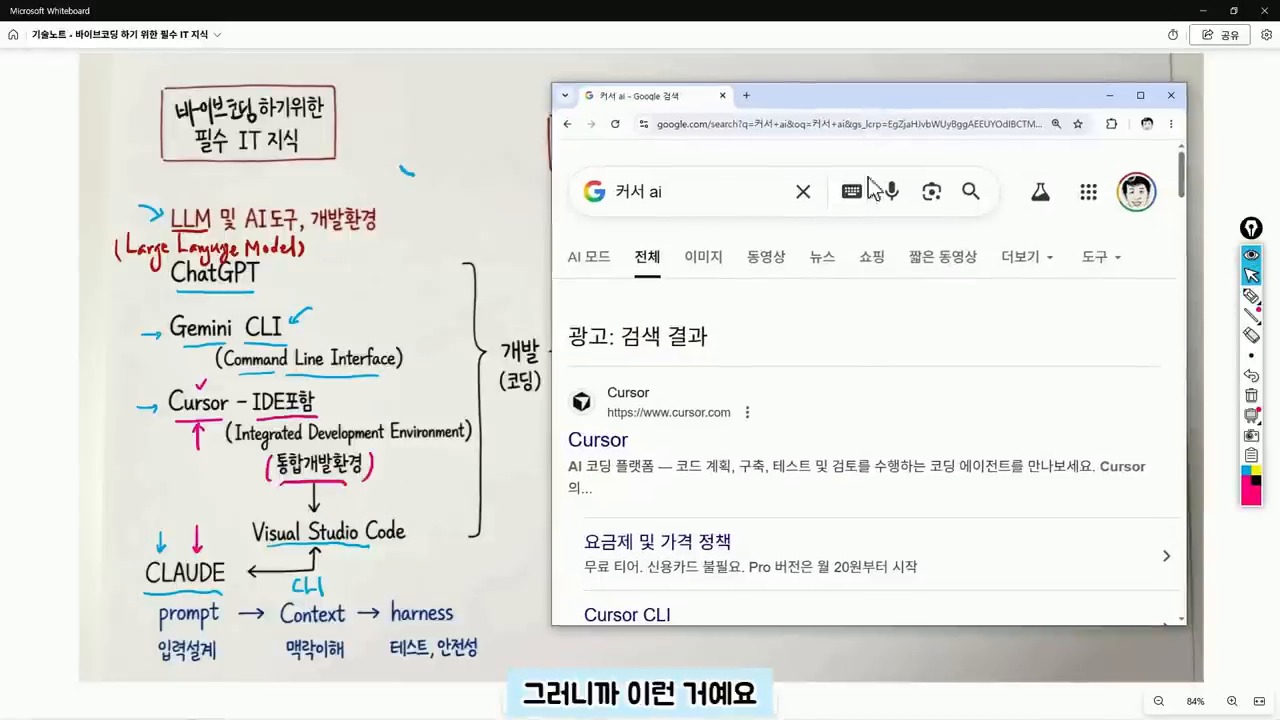
    ChatGPT and Gemini are conversational AI tools that can be used to ask questions and receive answers. On the other hand, Cursor is a code editor that combines AI and development environment, making it closer to an integrated development environment (IDE). Claude is also a development assistant tool that can be used in conjunction with code editors. Understanding the differences between these tools is essential to choose the right one for the task at hand.

    IDE is a Workshop for Handling Code

    An IDE is a workshop where code is written, managed, and executed. It’s a development environment that connects coding, file management, and execution. Visual Studio Code and Cursor are examples of IDEs. When starting with vibe coding, it’s essential to separate the task of choosing an AI tool from understanding the development environment. Regardless of the AI tool used, the code is still stored in files and modified within the development environment.

    Git and GitHub for beginners
    Git and GitHub for beginners.

    Context is More Important than Prompt

    Initially, AI utilization focused on crafting the perfect prompt. However, now it’s more important to provide context to the AI tool. Context refers to the surrounding circumstances that the AI needs to make a judgment. By providing information such as project purpose, current file structure, error messages, and desired output format, the AI can provide more accurate answers. For example, instead of saying “create a login feature,” it’s better to say “I have a React frontend and a FastAPI backend, and I want to implement a login feature using JWT. I’m currently getting a 401 error.”

    Source Code and GitHub are Essential

    The result of AI-generated code is still source code, which is a file written in a programming language such as Java, Python, or JavaScript. It’s essential to manage these files and track changes using a version control system like Git. GitHub is a service that stores and manages code repositories, making it possible to collaborate with others and track changes.

    frontend backend API and server basics
    frontend backend API and server basics.

    Git is a Tool for Managing Change History

    Git is a tool that manages the change history of code. GitHub is a service that stores and manages code repositories. While Git may seem challenging at first, understanding the basic concepts of repositories, commits, branches, and pushes is essential. In vibe coding, GitHub is crucial because it allows users to revert to previous versions of the code, work on the same project from different computers, and collaborate with others.

    Build and Execution are the Processes of Turning Code into a Service

    Source code is not the final product. Depending on the language and environment, the code may need to be compiled or built before it can be executed. In web projects, libraries and configuration files are bundled together to create a deployable result. When the AI tool reports a “build error,” it’s not just a syntax problem. The issue could be related to library versions, environment variables, execution commands, or folder locations. Therefore, vibe coding beginners need to develop the ability to read code and understand project structure.

    deployment and database concepts for AI coding
    deployment and database concepts for AI coding.

    Distinguishing Between Frontend and Backend Reduces Errors

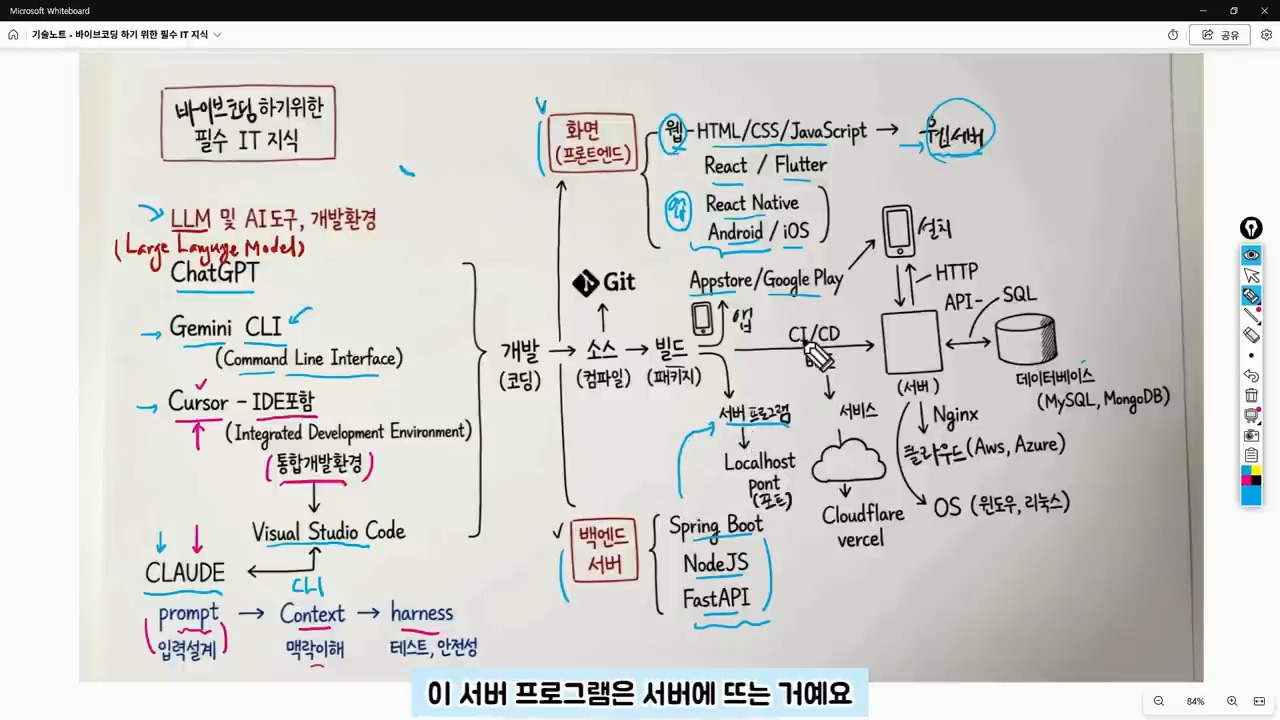
    The frontend refers to the area responsible for creating the user interface, including web screens, app screens, buttons, input fields, lists, and designs. React, React Native, and Flutter are popular tools for frontend development. The backend, on the other hand, refers to the server-side program that handles data processing, login, posting, payment processing, and data retrieval. Spring Boot, Node.js, and FastAPI are popular frameworks for backend development.

    Backend Handles Data Processing Behind the Scenes

    When creating an app using vibe coding, if the screen is visible but data is not being saved, it’s not just a frontend issue. The backend API, server execution status, and database connection also need to be checked. Understanding the structure of the web and app, including the client-server relationship, makes it easier to identify and solve problems.

    Server, Port, API, and Database are Essential Concepts After Deployment

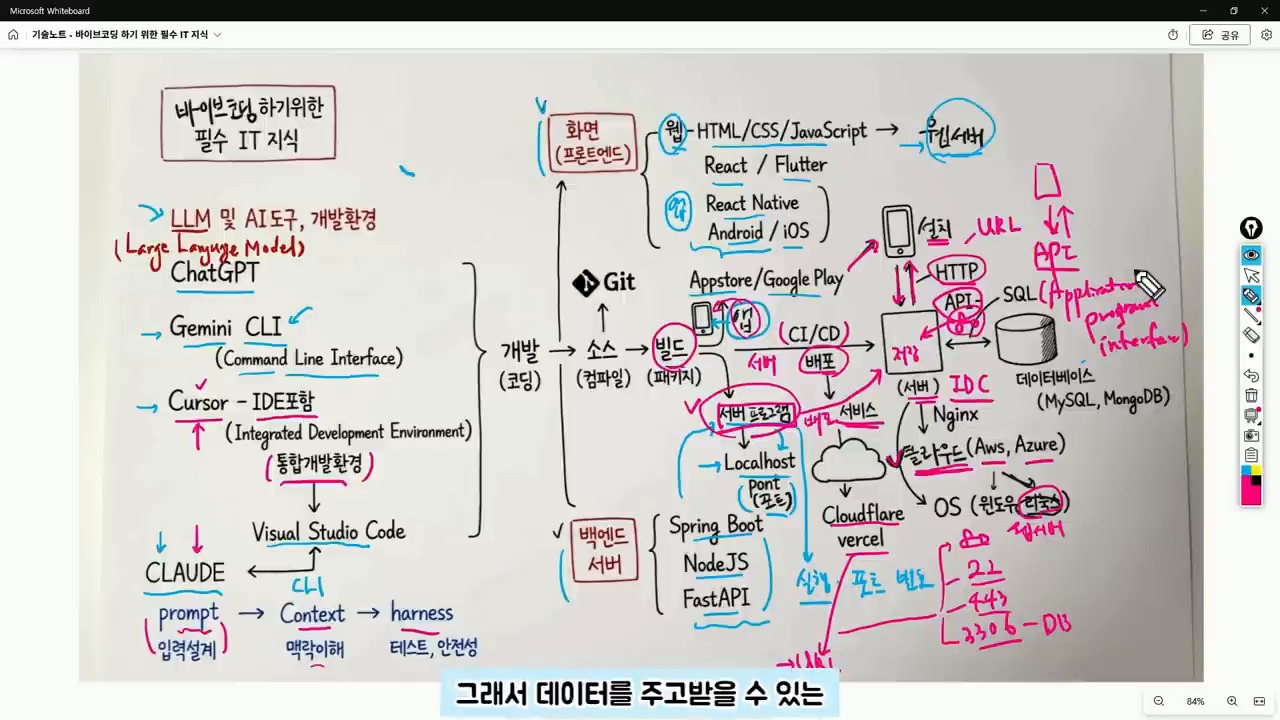
    A server program runs on a specific port. Web servers often run on ports 80 or 443. During development, ports 3000, 5000, or 8000 are commonly used. Understanding the concepts of URL, HTTP, and API is essential for deploying and managing web services. When encountering errors such as “CORS error,” “404,” “500,” or “connection refused,” it’s essential to understand the underlying causes, which often relate to address, port, server execution, API path, or permission issues.

    API is the Channel for Client-Server Communication

    An API is an agreement between the client and server for exchanging data. GET is used for retrieving data, POST for sending new data, PUT for modifying data, and DELETE for deleting data. JSON is a common format for API responses. A database is a space for storing actual data, and SQL is a language for querying or modifying data in the database.

    A Suggested Order for Learning

    It’s not necessary to learn all the technologies at once. Instead, following a suggested order can help reduce confusion and errors. By understanding the basics of IT and coding, including the concepts of frontend, backend, server, API, and database, users can ask more specific questions to the AI tool and get more accurate results.

    Related Reading

    Continue with these related Thinknote English articles in the Digital Transformation cluster.

    FAQ

    What is this article about?

    This article explains a digital transformation, platform, market-structure, or technology-adoption topic with Korea-specific context and global implications.

    How should I use this guide?

    Use it to understand market signals and strategic patterns. Combine it with current market data before making business or investment decisions.

    Where can I read the original Korean article?

    The original Korean article is available here: Vibe Coding for Beginners: The IT Map You Need Before AI Writes Code.

  • Agentic Engineering: What Comes After Vibe Coding?

    Agentic Engineering: What Comes After Vibe Coding?

    This is a fuller English adaptation of the Korean article on agentic engineering after vibe coding. The source uses Andrej Karpathy’s discussion as a starting point, but its main focus is practical: when anyone can generate code with AI, real engineering shifts toward specification, verification, environment design, and responsibility.

    agentic engineering after vibe coding
    Agentic engineering moves developers from typing code to directing and verifying AI agents.

    Original Korean article: 에이전틱 엔지니어링: 안드레이 카파시가 말한 바이브 코딩 이후의 개발 방식

    Why Agentic Engineering Has Become Important

    A turning point after late 2025

    The article argues that AI coding entered a new phase as models became capable of longer, tool-using work. Vibe coding showed that natural language can produce working prototypes. But when prototypes move into production, teams need more than vibes. They need a way to assign tasks to agents, constrain them, test outputs, and recover from mistakes.

    Agentic engineering names this emerging discipline. It is not just writing prompts. It is designing the full loop in which an AI agent receives a goal, uses tools, modifies artifacts, checks results, and reports its reasoning for human review.

    What Software 3.0 Means

    Code is not only in files

    Software 1.0 was explicit code written by humans. Software 2.0 often referred to learned weights and data-driven behavior. Software 3.0, as discussed in the source, includes prompts, tool interfaces, workflows, evaluations, context, and agents as part of the software system. The product is no longer only a repository of files.

    This changes what engineers must version, review, and test. A prompt template, an evaluation dataset, an agent routine, or an MCP tool schema can be as important as a function in a codebase. If these pieces are invisible, the system cannot be operated reliably.

    Vibe Coding Lets Anyone Build, but Real Work Is Different

    What the MenuGen example shows

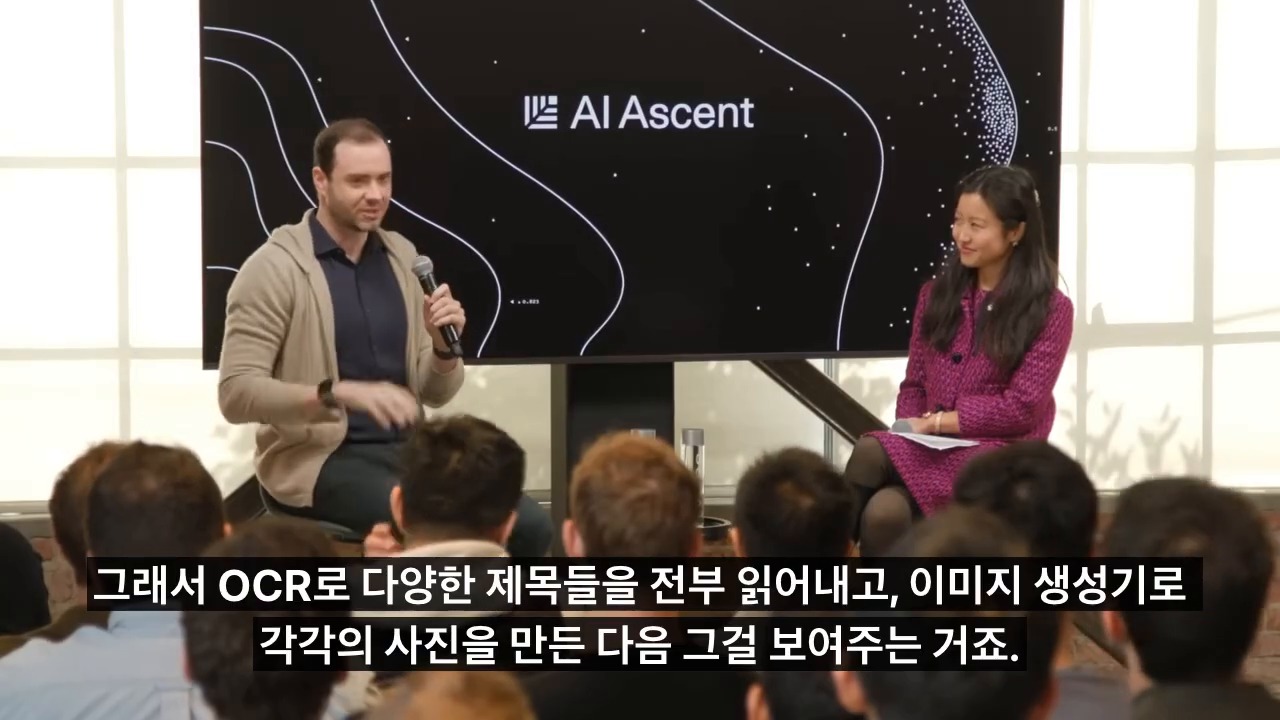
    The Korean article mentions the kind of example where a non-specialist can create an app or interface quickly with AI. This is the promise of vibe coding: describe the feeling, iterate visually, and get a working result. It expands who can make software.

    However, production work still involves edge cases, data integrity, security, accessibility, performance, maintenance, and user support. Vibe coding is excellent for exploration, but the moment a product affects customers or business operations, engineering discipline returns.

    What humans still must own

    Humans remain responsible for goals, ethics, tradeoffs, and accountability. An agent can implement a feature, but it does not own the consequences of a privacy breach, a bad medical recommendation, or a financial error. The source article emphasizes that the human role rises toward judgment rather than disappearing.

    Agentic Engineering Is the Skill of Specification and Verification

    Software 3.0 and AI coding tools
    Software 3.0 uses prompts, context, and LLMs as a new programming layer.

    The core practice is writing specifications that agents can execute and humans can verify. A good specification includes context, expected behavior, constraints, examples, non-goals, test commands, and acceptance criteria. It should also define what the agent must not change.

    Verification is equally important. Teams need unit tests, integration tests, golden examples, simulations, benchmark tasks, human review gates, and rollback plans. The question is not whether the AI produced something impressive. The question is whether the team can prove the result is correct enough for the intended use.

    Verifiable Environments Are the Core Product Opportunity

    What founders should watch

    The article identifies a business opportunity: environments where AI agents can safely perform work and be evaluated. In coding, this may mean sandboxes with tests. In design, it may mean versioned assets and approval flows. In enterprise operations, it may mean permissioned data connectors and audit logs.

    Founders should look for workflows where the output can be checked. If a task has clear evaluation signals, agents can improve quickly. If the task is vague, subjective, or legally sensitive, human review must remain central.

    Where AI-Native Developer Differences Come From

    vibe coding and production software gap
    Vibe coding makes creation easier, but production work still needs structure.

    Productivity is not typing speed

    The difference between developers will not be who types fastest. It will be who decomposes problems better, gives agents the right tools, reads output critically, and builds reusable workflows. A strong AI-native developer can run several streams of work while maintaining quality gates.

    Agent-First Infrastructure Is Needed

    Human UI and agent interfaces are different

    Many current tools are designed for human clicks. Agents need structured APIs, logs, machine-readable state, reversible actions, and narrow permissions. Agent-first infrastructure does not mean removing humans; it means making work legible to both humans and machines.

    Conclusion: Developers Do Not Disappear; Their Role Moves Up

    AI agent verification workflow for developers
    Agentic engineering depends on specifications, tests, and verification.

    The source article’s conclusion is optimistic but disciplined. AI expands who can create software, but reliable software still requires engineering. Agentic engineering is the next layer: designing environments where AI agents can work productively while humans retain responsibility for direction and verification.

    Related Reading

    Continue with these related Thinknote English articles in the Digital Transformation cluster.

    FAQ

    What is this article about?

    This article explains a digital transformation, platform, market-structure, or technology-adoption topic with Korea-specific context and global implications.

    How should I use this guide?

    Use it to understand market signals and strategic patterns. Combine it with current market data before making business or investment decisions.

    Where can I read the original Korean article?

    The original Korean article is available here: Agentic Engineering: What Comes After Vibe Coding?.

  • The End of Unlimited AI Subscriptions: What Claude Pricing Teaches Developers

    The End of Unlimited AI Subscriptions: What Claude Pricing Teaches Developers

    This English version is a fuller translation and adaptation of the original Korean article, 클로드를 떠나는 개발자들: AI 무제한 구독 시대가 끝나고 있다, for global readers. The recent controversy surrounding Claude has sparked a heated debate among developers, and it’s not just about the reputation of one service. The underlying issue is the sustainability of unlimited AI subscriptions, which have been the norm until now. With the rise of AI technology, developers and users alike have grown accustomed to paying a monthly fee for unlimited access to AI capabilities. However, this premise is being shaken, and the change is first being felt by developers, but soon, ordinary users will also be affected.

    unlimited AI subscriptions and Claude pricing
    Unlimited AI subscriptions are becoming harder to sustain as usage patterns diverge.

    Original Korean article: 클로드를 떠나는 개발자들: AI 무제한 구독 시대가 끝나고 있다

    The Claude Controversy: Looking Beyond Performance

    The controversy surrounding Claude is not just about its performance, but about the underlying issues of dependency and trust. Claude has been praised for its coding capabilities, making it a popular choice among developers. However, some developers are now looking for alternative tools due to concerns over pricing policies, terms of service, and restrictions on external tools. This is not just a matter of switching services; it’s a signal that developers are wary of becoming too dependent on one company.

    Sudden Billing and External Tool Restrictions

    The controversy was sparked by unexpected billing cases, where developers were charged extra for using certain file names in their work memos. The problem was not just the amount, but the lack of transparency in understanding why the fees were incurred. This has led to a sense of unease among developers, who are now more cautious about using AI services.

    AI tool cost dashboard for developers
    Developers need to understand AI tool costs, limits, and pricing models.

    AI Pricing: A Complex Structure

    The pricing structure of AI services is complex, involving tokens, call volumes, model types, and external tool connections. Developers are more sensitive to this structure, as they use AI tools for automation and coding. The lack of visibility in usage can lead to anxiety, and small setting differences can result in significant cost issues.

    The Difference Between Subscription and API

    To understand the controversy, it’s essential to know the difference between subscription and API. Ordinary users typically pay a monthly fee and interact with the AI through a chat interface. In contrast, API is a channel for other programs to automatically call the AI, without direct user input. The problem arises when developers use cheap subscription accounts and connect them to external automation tools, resulting in higher usage costs.

    Claude pricing and developer workflow dependency
    Pricing changes reveal how dependent developer workflows can become on one AI vendor.

    Why Unlimited AI Subscriptions Are Shaking

    The primary reason for the instability of unlimited AI subscriptions is cost. Generative AI requires massive computations for each question, and as the number of users grows, so does the company’s burden. Initially, AI services offered cheap subscription models to attract users quickly. However, this model is not sustainable, and companies are now adjusting their pricing to reflect the actual costs.

    The Future of AI Pricing

    In the future, basic subscription fees and additional usage-based billing may become more separated. Light users may still enjoy affordable prices, while heavy users, such as those who engage in extensive coding or automation, may need to pay more. This change is similar to telecommunications, where there is a basic fee and higher rates for excessive data usage.

    open source AI as an alternative to vendor lock-in
    Open source AI becomes attractive when subscription platforms feel unpredictable.

    Claude Is Not the Only One

    This controversy is not unique to Claude. Other AI coding services, such as Cursor, have faced similar pricing disputes. OpenAI is not an exception, and the entire AI industry is grappling with massive infrastructure costs. The difference lies in how smoothly companies can transition to new pricing models and how transparently they explain the changes to users.

    Developers’ Search for Open-Source Alternatives

    Developers are looking for open-source tools not just because they are free, but because they offer more control and flexibility. The concept of vendor lock-in, where a company becomes too dependent on one service, is a significant concern. In the AI era, vendor lock-in can become even more pronounced, as AI tools become deeply integrated into workflows.

    Preparing for Change

    This story started with developers, but ordinary users should also be aware of the upcoming changes. As AI usage and features become more diverse, pricing differences may become more pronounced. Users who frequently use AI for tasks like document writing, image creation, coding, or data analysis should be prepared for potential changes in pricing models.

    Checklist for Users

    • Check the pricing model and usage limits of your primary AI service.
    • Avoid relying on a single service for critical tasks.
    • Familiarize yourself with the pros and cons of various AI tools, such as ChatGPT, Claude, and Gemini.
    • Store prompts and work results in personal storage or documents.
    • If using automation tools, regularly check expected costs and call volumes.

    Conclusion: The Normalization of AI Pricing

    The Claude controversy is not just a temporary issue; it marks the beginning of AI pricing normalization. Service prices are being adjusted to reflect actual costs. While unlimited AI subscriptions are attractive to users, they may not be sustainable for companies. In the future, basic subscriptions, credits, and usage-based billing may become more common.

    Related Reading

    Continue with these related Thinknote English articles in the Digital Transformation cluster.

    FAQ

    What is this article about?

    This article explains a digital transformation, platform, market-structure, or technology-adoption topic with Korea-specific context and global implications.

    How should I use this guide?

    Use it to understand market signals and strategic patterns. Combine it with current market data before making business or investment decisions.

    Where can I read the original Korean article?

    The original Korean article is available here: The End of Unlimited AI Subscriptions: What Claude Pricing Teaches Developers.