
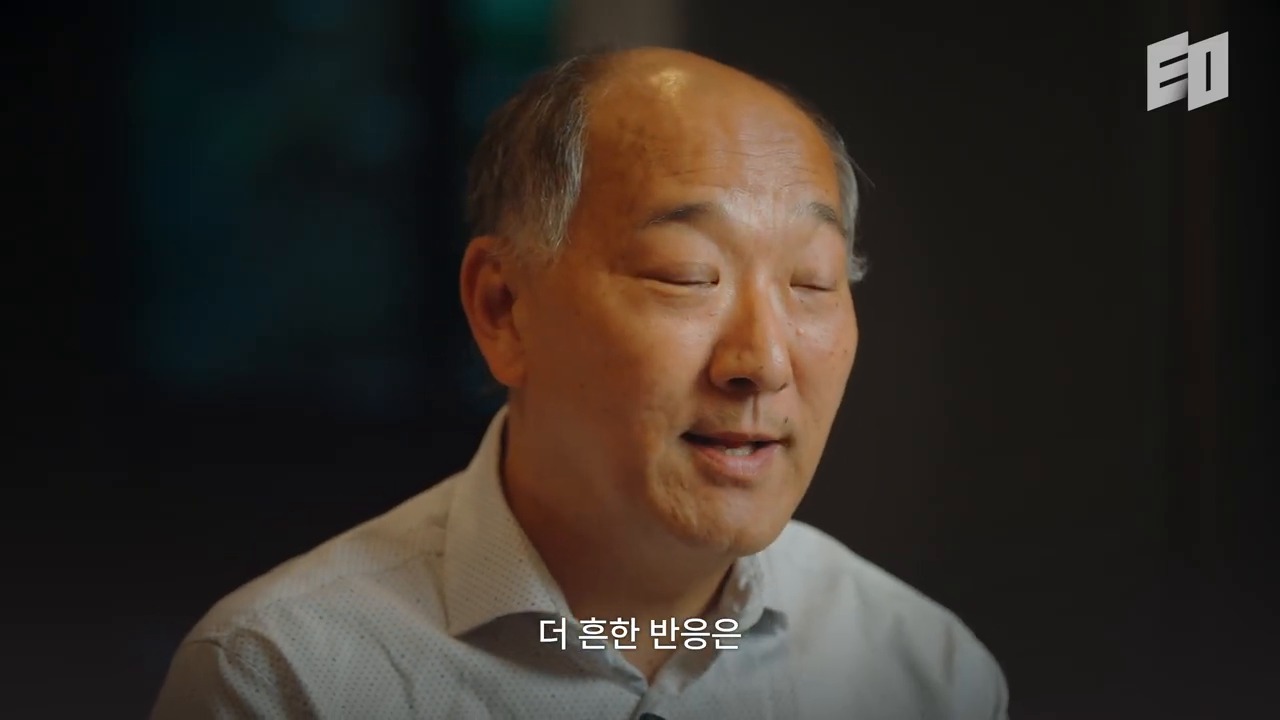
This fuller English adaptation follows the Korean source’s reflection on Ken Ono, deep intelligence, and learning in the AI era. If AI can produce answers instantly, human learning cannot remain a contest of memorized information. The question becomes: what kind of intelligence should humans cultivate?
Original Korean article: AI가 모든 답을 아는 시대, 인간은 무엇을 배워야 하나
Why Learning in the AI Era Is No Longer a Knowledge Competition
For a long time, school and career success rewarded people who could absorb information, recall it quickly, and apply standard methods. AI changes that environment. A student can ask for a summary, a worker can ask for a draft, and a researcher can ask for references. The value of simply “knowing the answer” declines when answers are everywhere.
The source article does not say knowledge is useless. It says the purpose of knowledge changes. Knowledge becomes the material for asking better questions, recognizing false answers, connecting ideas, and pursuing problems that matter personally.
Ken Ono’s Idea of Deep Intelligence
The article introduces Ken Ono’s message as a challenge to shallow learning. Deep intelligence is not the ability to repeat correct answers. It is the ability to stay with a question, sense patterns, connect fields, and develop an inner reason to learn. It includes curiosity, persistence, and identity.
In mathematics, music, art, research, or work, the deepest learning often begins when a person finds a question that will not let go. AI can help explore that question, but it cannot replace the human decision to care about it.
Education Is Not a Checklist; It Is the Recovery of Curiosity
The Korean source criticizes checklist-style education. When learning becomes only grades, certificates, rankings, and completed assignments, curiosity weakens. Students may become efficient at passing tasks but lose the ability to wonder.
AI makes this problem more urgent. If homework can be outsourced to a model, schools must design learning that brings students back into ownership. Discussion, projects, exploration, explanation, and personal reflection become more important than worksheets that measure only output.
What Students and Workers Should Learn Again
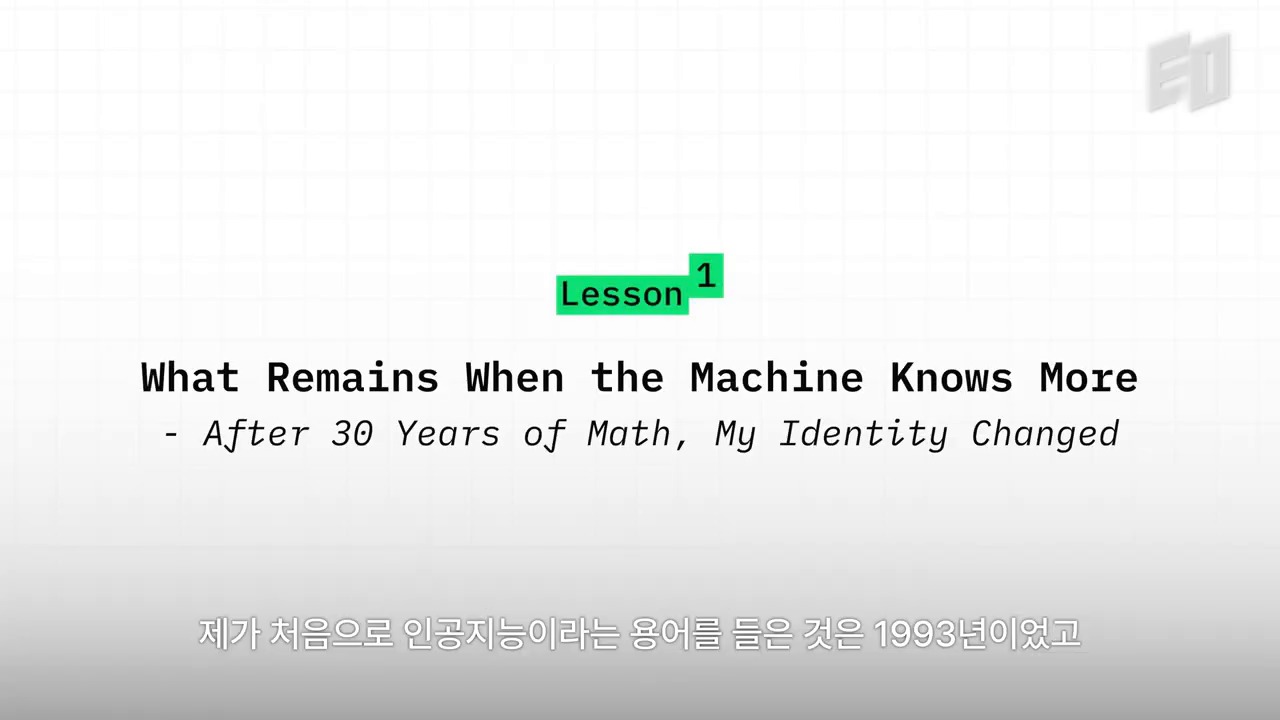
Students should practice asking original questions, explaining reasoning, comparing sources, building projects, and revising their own work. Workers should learn to turn experience into reusable knowledge, use AI as a thought partner, and make decisions under uncertainty. Both groups need literacy in AI’s strengths and limits.
The article’s practical message is that people should build a relationship with learning rather than only collect facts. A person who knows how to investigate, verify, and persist will use AI better than a person who only copies AI output.
For students, the output is less important than the process
If an AI system can produce a polished paragraph, the student’s value appears in the process: choosing the question, checking the evidence, explaining why one answer is better than another, and connecting the result to personal experience. Teachers can therefore ask students to show drafts, reasoning notes, oral explanations, and revisions.
For workers, learning becomes a way to redesign work
Workers should not only ask AI to finish tasks faster. They should ask which parts of the task are repeated, which decisions require expertise, and which knowledge should be saved for reuse. In that sense, learning becomes a way to improve the work system itself.
Persistence Matters More Than Perfectionism
Perfectionism often stops learning before it begins. A person waits until the plan is perfect, the tool is perfect, or the answer is guaranteed. Deep intelligence grows differently. It grows through staying with a personal problem long enough to make progress, even when the path is unclear.
AI can reduce friction by explaining basics, generating examples, and offering feedback. But the human must decide what problem is worth returning to. The source article highlights this power of holding onto one’s own question.
Conclusion: The Direction of Learning in the AI Era

The article concludes that human learning should move from answer collection to question ownership. AI can know many answers, but humans still choose meaning, purpose, responsibility, and direction. The most important skill may be the ability to ask, “What do I want to understand deeply enough that I will keep learning?”
Related Reading
Continue with these related Thinknote English articles in the Digital Transformation cluster.
- Thinknote English article
- Thinknote English article
- Thinknote English article
- Thinknote English article
- Thinknote English article
- Thinknote English article
FAQ
What is this article about?
This article explains a digital transformation, platform, market-structure, or technology-adoption topic with Korea-specific context and global implications.
How should I use this guide?
Use it to understand market signals and strategic patterns. Combine it with current market data before making business or investment decisions.
Where can I read the original Korean article?
The original Korean article is available here: What Should Humans Learn When AI Knows Every Answer?.