
Before leaving work, you ask ChatGPT to draft a report. The answer comes quickly. The sentences look plausible. But something bothers you.
“Is this right?”
In the past, the ability to find answers mattered. Now it is different. Answers appear too easily. The problem is noticing whether I truly understand the answer, whether I can trust it, and whether I have adapted it to my situation.
The needed ability here is metacognition. Simply put, metacognition is “knowing what I know and what I do not know.” It may sound like the secret of good students, but today it is becoming a basic capability for office workers, creators, educators, and AI users.
## Metacognition is the ability to look at thinking once more
Metacognition sounds like a difficult psychology term, but in daily life it is familiar.
When solving a problem, you may realize, “I thought I knew this concept, but I cannot explain it.” In a meeting, you may pause and ask, “Am I stating a fact or a guess?” While writing, you may notice, “The sentences are smooth, but the logic is empty.”
All of these moments connect to metacognition. The core is stepping back. Do not remain trapped inside thought; look again at the state of your thinking.
Metacognition is therefore not simple self-reflection. More precisely, it is a technique for adjusting judgment. It distinguishes what you know from what you do not know, checks the gap between confidence and evidence, and changes strategy when necessary.
## Why metacognition matters again now
Metacognition is an old concept, but it has become important again because generative AI is changing our thinking process.
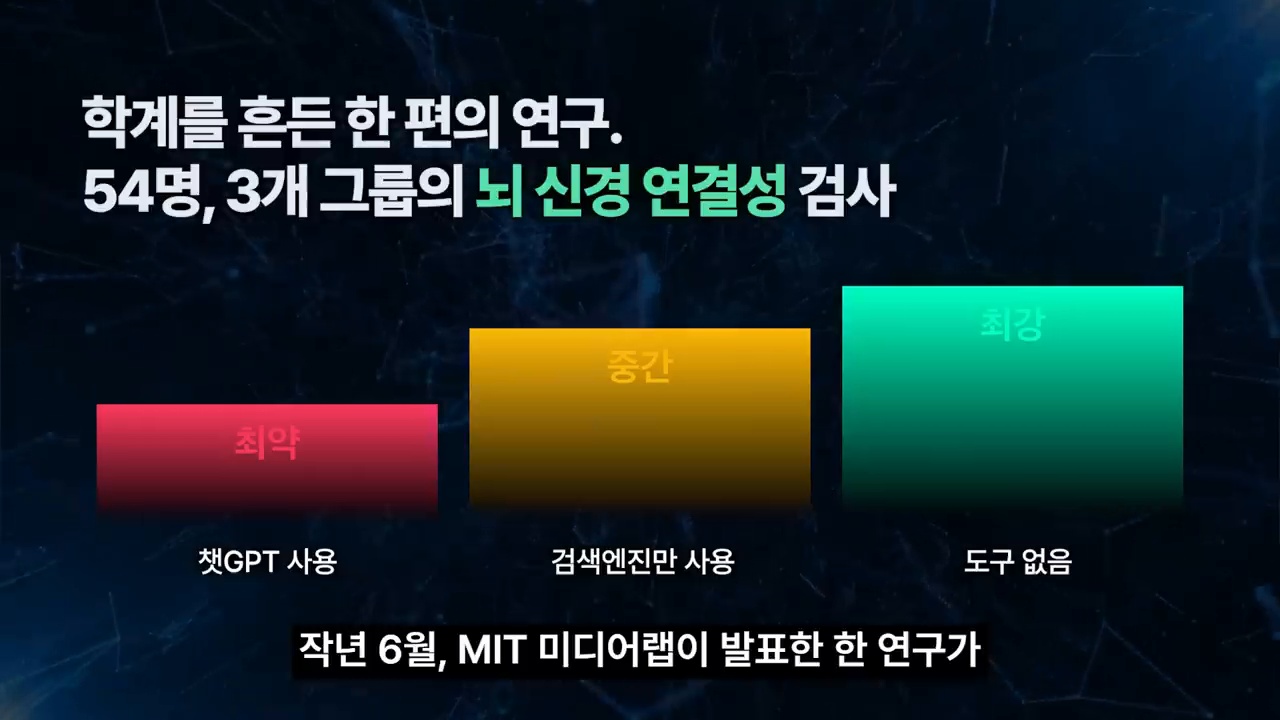
In a 2025 CHI paper, researchers from Microsoft Research and Carnegie Mellon analyzed 936 generative-AI use cases from 319 knowledge workers. A notable result appeared: the more users trusted AI, the less critical thinking they tended to perform; the more confident they were in their own task, the more critical thinking they tended to perform.
It would be too simple to read this as “AI makes people think less.” The more important message is that people who use AI well neither reject AI answers unconditionally nor accept them unconditionally. They verify answers, integrate them into their own context, and keep final responsibility.
UNESCO also released AI competency frameworks for students and teachers in 2024. These frameworks treat AI not only as tool-use skill but as human-centered judgment and responsible use. Education is shifting from “Can you use AI?” to “Can you check your thinking with AI?”
## The illusion that grows as AI becomes smarter
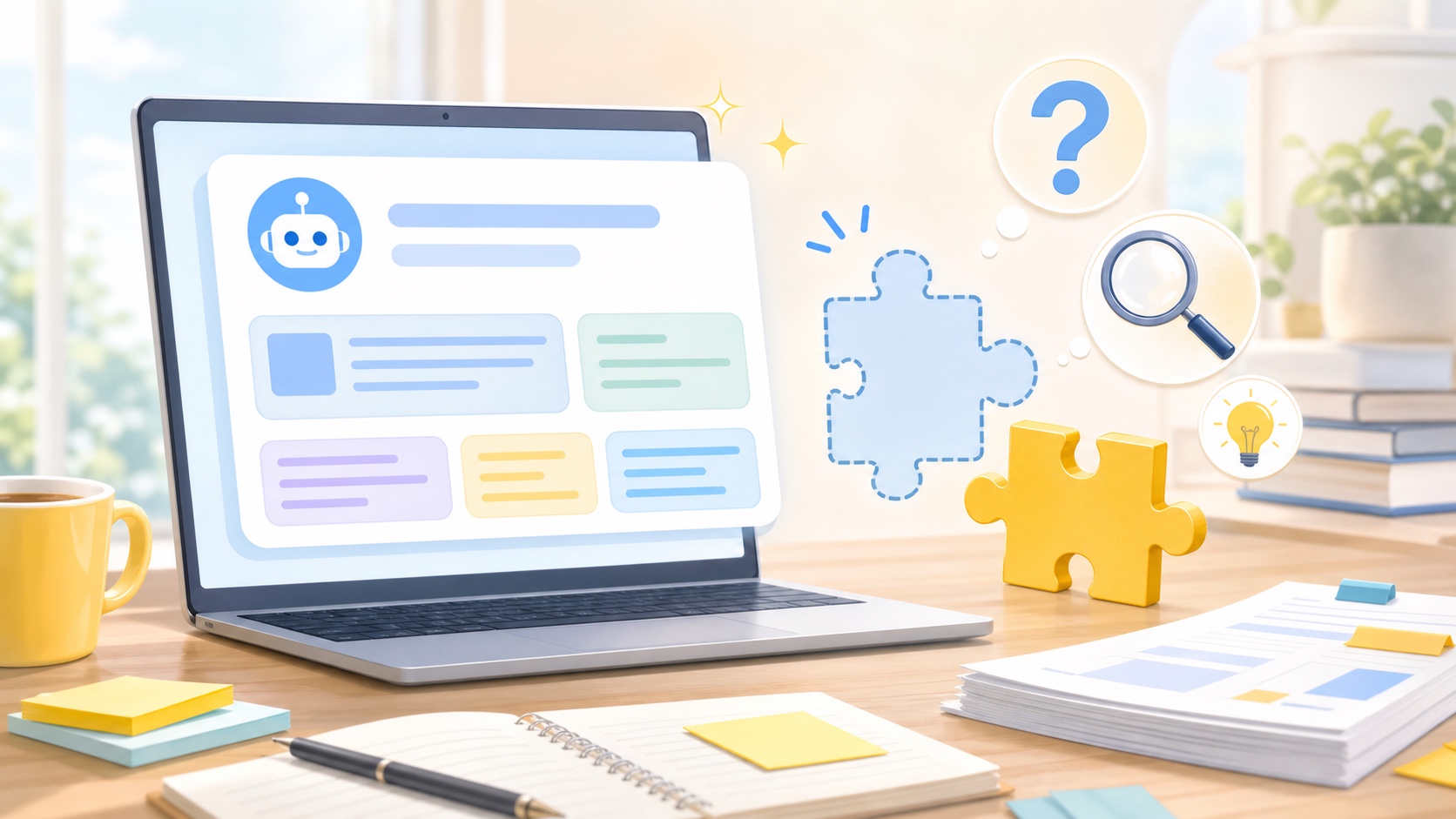
The biggest danger in the AI era is not only wrong answers. A subtler danger is the illusion that “I understood.”
When you read text organized by AI, your head feels clearer. The summary is neat and examples are included. But when you try to explain it to someone, you may be unable to speak.
At that moment, you may possess information without understanding it.
Recent arXiv studies discuss similar concerns. AI can raise the level of individual creative output, but group-level diversity of ideas may decline. Long reasoning traces or explanations from LLMs can increase user confidence, but do not always improve actual task performance.
Some of these papers are still preprints, so they should be read carefully. Still, the direction is clear: AI explanations can help understanding, but they can also create the feeling of understanding.
That is why metacognition is needed. Do not ask only “Is the answer good?” Ask “To what level do I understand this answer?”

## Five questions that build metacognition
Metacognition is not a matter of innate intelligence. It is closer to a habit. These five questions alone can improve the quality of thinking.
### 1. What am I mistaking as knowledge right now?
The first thing to check is illusion. Familiar words feel known, but familiarity and understanding are different.
A good method is one-sentence explanation. After reading a concept, explain it in one sentence as if to an elementary-school student. If you get stuck, it is not yet your knowledge.
AI answers are the same. Do not copy them as-is; ask, “How would I say this in my own words?”
### 2. Does my confidence come from evidence or atmosphere?
People trust content more easily when sentences are smooth. AI answers are especially like this. A confident tone, organized lists, and expert terms quickly create trust.
Metacognition asks where confidence comes from. Is my certainty based on data, experience, authoritative sources, or merely plausible sentences?
For work reports, sources must be checked. For investment, policy, and health topics, this matters even more.
### 3. Could opposing evidence change my judgment?
When metacognition is weak, people protect their own thoughts. When it is strong, people test them.
The same attitude is needed with AI. Ask, “What are the objections to this claim?” “Under what conditions could this conclusion be wrong?” and “How could this be interpreted from another perspective?” The quality of the answer changes.
The point is not to add objections formally. Your judgment must be able to change in practice.
### 4. Am I looking for an answer, or do I want to stop thinking?
The busier we are, the more we want answers. More precisely, we want to end thinking. AI satisfies this desire very well.
The problem is that fast closure is dangerous for important judgments. Hiring, strategy, curriculum design, writing, and business planning do not end with one right answer. They contain context, purpose, and stakeholders.
The metacognitive question is simple: “Do I need a conclusion now, or do I need exploration?” Distinguishing those moments is important.
### 5. Can I verify this with the next action?
Good thinking becomes verifiable action. Metacognition is weak if it remains only internal reflection.
If you wrote something, have one person read it. If you made a lecture plan, test it with a five-minute explanation. If AI recommended a strategy, try a small experiment first.
When you move from “it seems right” to “let’s check it small,” thinking becomes real capability.
## A metacognitive routine for work and learning
Metacognition does not require grand training. Put it into the day as a short routine.
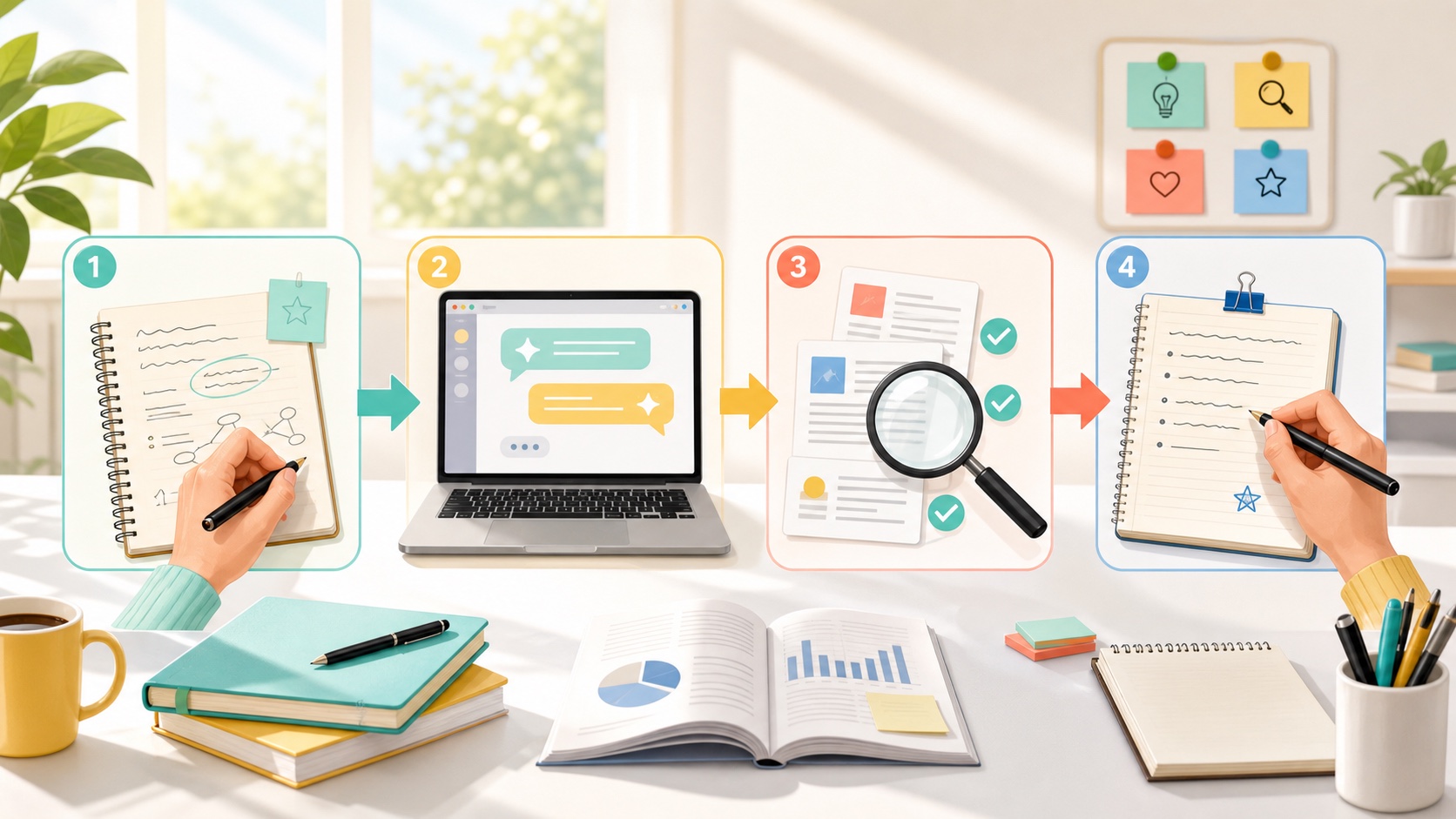
Before starting work, write three things: what I know, what I do not know, and what I need to check. Before a meeting, write your assumptions. After a meeting, leave one line about what changed in your thinking.
When using AI, the routine should be clearer:
– First, write a short draft of your own.
– Ask AI to improve it.
– Separate facts, interpretations, and suggestions in the AI answer.
– Mark parts that need sources.
– Rewrite the final sentence with your own judgment.
The order matters. If you hand everything to AI from the beginning, your own standard disappears. If you make your own draft first, AI becomes a checker rather than a replacement.
## Metacognition is a human speed in the AI era
AI is fast. So we feel we must become faster. But not every thought should become faster.
Important work needs slow zones: time to pause, doubt, explain again, and verify through small experiments.
Metacognition protects that slow zone. It is not lazy hesitation; it is an intentional pause for better judgment.
People who use AI well in the future will not only know many prompts. More important will be the ability to see the state of one’s own thinking: what I know, what I do not know, when to trust AI, and when to check again.
That is metacognition. Today it is becoming central not only to study methods but also to how we work and learn.
## Further reading
– [Human Value in the AI Era](https://www.thinknote.co.kr/ai-era-human-value/)
– [What Will Winners Prepare in the AI Era?](https://www.thinknote.co.kr/ai-era-winner-preparation/)
– [Creative Thinking Has Become More Important in the AI Era](https://www.thinknote.co.kr/creative-thinking-kim-jung-woon/)
## FAQ
### What is metacognition?
Metacognition is the ability to notice what you know and do not know and adjust learning or judgment strategies accordingly. In simple terms, it is the ability to look at your own thinking once more.
### Does high metacognition help study?
Generally, yes. People with strong metacognition find what they do not know quickly and can change learning methods. Knowing where to check is more important than simply studying longer.
### Why is metacognition important in the AI era?
AI quickly gives plausible answers. Users may therefore think they understand things they do not understand. Metacognition helps verify AI answers and judge them again in one’s own context.
### How can metacognition be trained?
The easiest method is a questioning habit: What do I know? What do I not know? What is the evidence? What is the opposing evidence? How can I test this in a small way?
### Does using AI weaken metacognition?
Not always. If AI is used only as an answer provider, thinking may shrink. But if it is used for draft review, objections, source checking, and experiment design, it can strengthen metacognition.
## References
– [Microsoft Research, The Impact of Generative AI on Critical Thinking, CHI 2025](https://www.microsoft.com/en-us/research/publication/the-impact-of-generative-ai-on-critical-thinking-self-reported-reductions-in-cognitive-effort-and-confidence-effects-from-a-survey-of-knowledge-workers/)
– [UNESCO Digital Library, AI competency framework for students, 2024](https://unesdoc.unesco.org/ark:/48223/pf0000391105)
– [UNESCO Digital Library, AI competency framework for teachers, 2024](https://unesdoc.unesco.org/ark:/48223/pf0000391104)
– [arXiv, Individual Gain, Collective Loss](https://arxiv.org/abs/2606.05532)
– [arXiv, Explaining Too Much?](https://arxiv.org/abs/2605.25856)
– [arXiv, Guided Sensemaking](https://arxiv.org/abs/2606.02260)
[Original Korean article](https://www.thinknote.co.kr/metacognition-ai-thinking-checklist/)