
The Korean source argues that Satya Nadella’s next move should be read as a platform strategy, not merely as another AI feature launch. Microsoft is trying to rebuild Windows around on-device AI, Copilot+ PCs, Windows AI Foundry, small models such as Phi, and developer workflows that make local AI part of everyday computing.

Original Korean article: 사티아 나델라의 다음 승부수: 마이크로소프트는 온디바이스 AI 생태계를 어떻게 바꾸려 하나
Read Nadella Through Platforms, Not Products
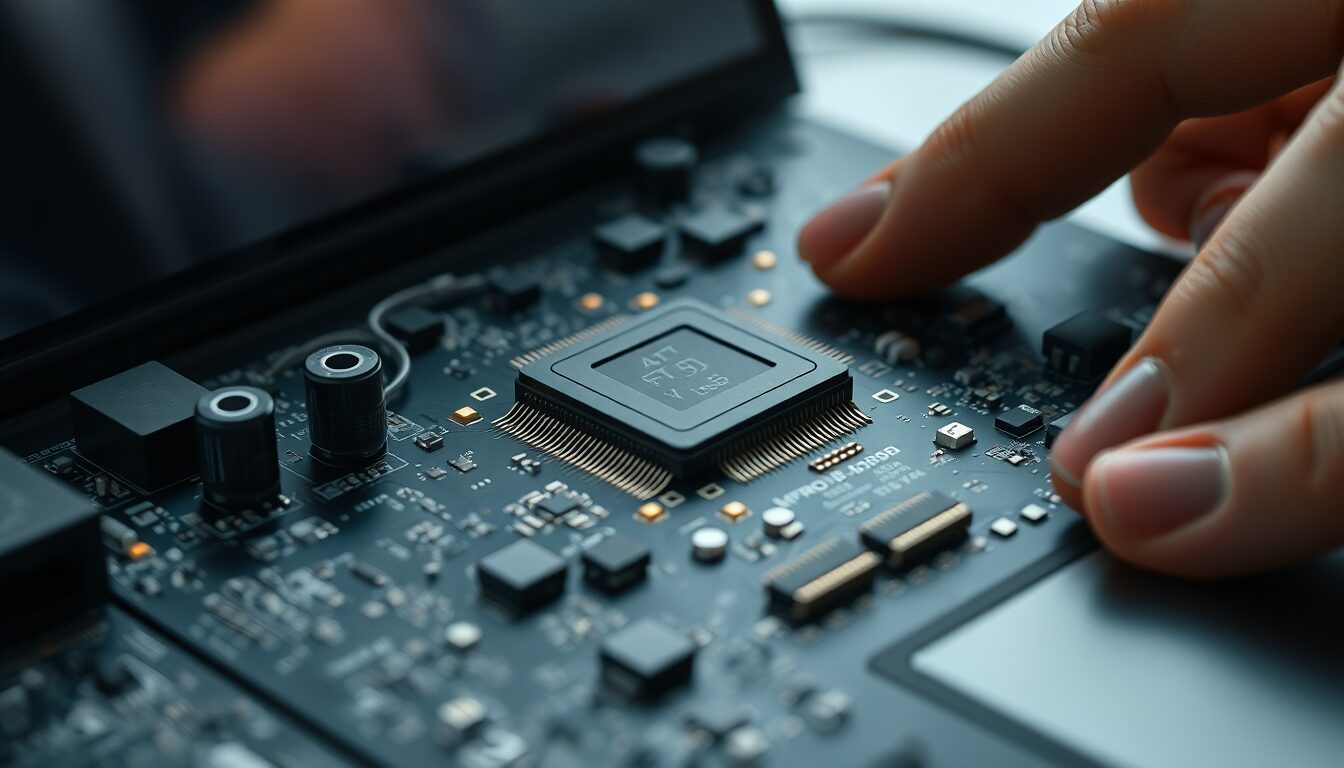
Microsoft’s strength under Satya Nadella has been platform thinking: cloud, productivity, developer tools, and operating systems are connected into ecosystems. The same logic now appears in on-device AI.
The question is not whether one Copilot feature is useful. The bigger question is whether Windows can become the default environment where AI models, apps, devices, and developers meet.
Copilot+ PC Creates a New Baseline

Copilot+ PC is important because it sets a hardware and experience baseline for AI PCs. Neural processing units, local inference, and AI-ready applications become part of what a modern Windows device is expected to support.
This changes the market. PC makers, chip companies, software developers, and enterprise buyers must think about AI capability as a standard requirement, not an optional add-on.
Windows AI Foundry Connects the Developer Ecosystem

Windows AI Foundry and related local development tools are described as a device for binding developers to the Windows AI ecosystem. Developers need ways to select, optimize, run, and ship models across devices.
If Microsoft can make local AI development easier, it can turn Windows from an operating system into an AI application platform. That is the strategic importance behind the tooling.
Phi Small Models Challenge Cloud-Only AI

Phi and other small models show that useful AI does not always require a massive cloud model. Smaller models can run locally, reduce latency, protect some data, and lower cost for focused tasks.
This does not mean cloud AI disappears. It means the ecosystem becomes hybrid: local models handle immediate, private, or lightweight tasks, while cloud models handle broader or heavier reasoning.
Recall and the Trust Problem
The Recall controversy revealed the trust challenge of on-device AI. A feature that records or indexes user activity can be powerful, but it also raises privacy, consent, security, and transparency concerns.
For on-device AI to succeed, users must understand what is stored, where it is stored, who can access it, and how it can be disabled. Trust becomes a product requirement.
The Ecosystem Structure Microsoft Wants to Change
Microsoft is trying to connect Windows, Azure, Copilot, developer tools, PC hardware, and local models. This structure could make AI capabilities available across consumer and enterprise environments.
The strategic move is replatforming: making AI a layer of Windows itself so that application builders and users treat AI as a built-in computing resource.
How Microsoft Differs From Apple and Google
Apple has strong device integration and privacy positioning. Google has AI research, Android, Search, and cloud-scale data. Microsoft’s advantage is enterprise distribution, Windows reach, developer tooling, and productivity workflows.
That means Microsoft can win not only by making the best demo, but by making AI usable inside everyday work systems: documents, meetings, code, security, and business applications.
What Users Should Prepare
Users should learn the difference between cloud and local AI, check device requirements, understand privacy settings, and evaluate whether AI PC features solve real tasks.
Organizations should prepare governance for local AI as well as cloud AI. On-device processing does not automatically remove risk; it changes where data, logs, and controls must be managed.
Practical Implications for Readers
For readers using this article as a working reference, the practical lesson is to move from abstract interest to a concrete audit. Identify where the topic touches your own work, which assumptions are already outdated, what data or tools are missing, and which decision could be tested on a small scale before a larger commitment. Write that test down, assign an owner, and review evidence rather than impressions.
The Korean source repeatedly treats technology, strategy, and human judgment together. That is why the safest next step is not blind adoption or passive worry. It is disciplined experimentation: define the problem, compare alternatives, verify results, protect sensitive information, and keep the human purpose visible while the tool or trend evolves.
Related Reading
Continue with these related Thinknote English articles in the Digital Transformation cluster.
- Thinknote English article
- Thinknote English article
- Thinknote English article
- Thinknote English article
- Thinknote English article
- Thinknote English article
FAQ
What is this article about?
This article explains a digital transformation, platform, market-structure, or technology-adoption topic with Korea-specific context and global implications.
How should I use this guide?
Use it to understand market signals and strategic patterns. Combine it with current market data before making business or investment decisions.
Where can I read the original Korean article?
The original Korean article is available here: Satya Nadella’s Next Bet: How Microsoft Is Rebuilding the On-Device AI Ecosystem.