This fuller English adaptation follows the Korean source on Claude Skills for small businesses. The key claim is that a Skill is not just a smarter chatbot prompt. It can package repeatable work, connect data, and help small teams automate routines that normally consume the owner’s morning and attention.
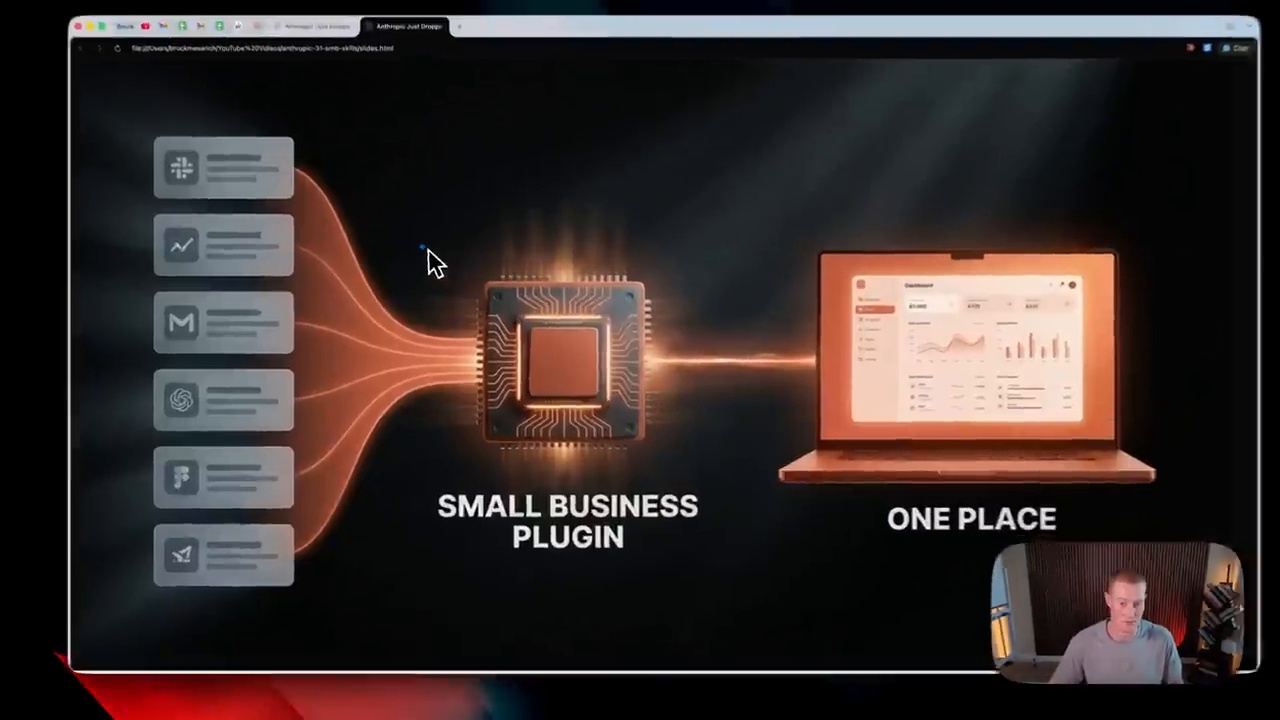
Small businesses often do not have dedicated operations teams. The owner or manager checks sales, messages, invoices, appointments, hiring, inventory, and customer issues personally. A general chatbot can answer questions, but it does not automatically know the business context or the repeated format of work.
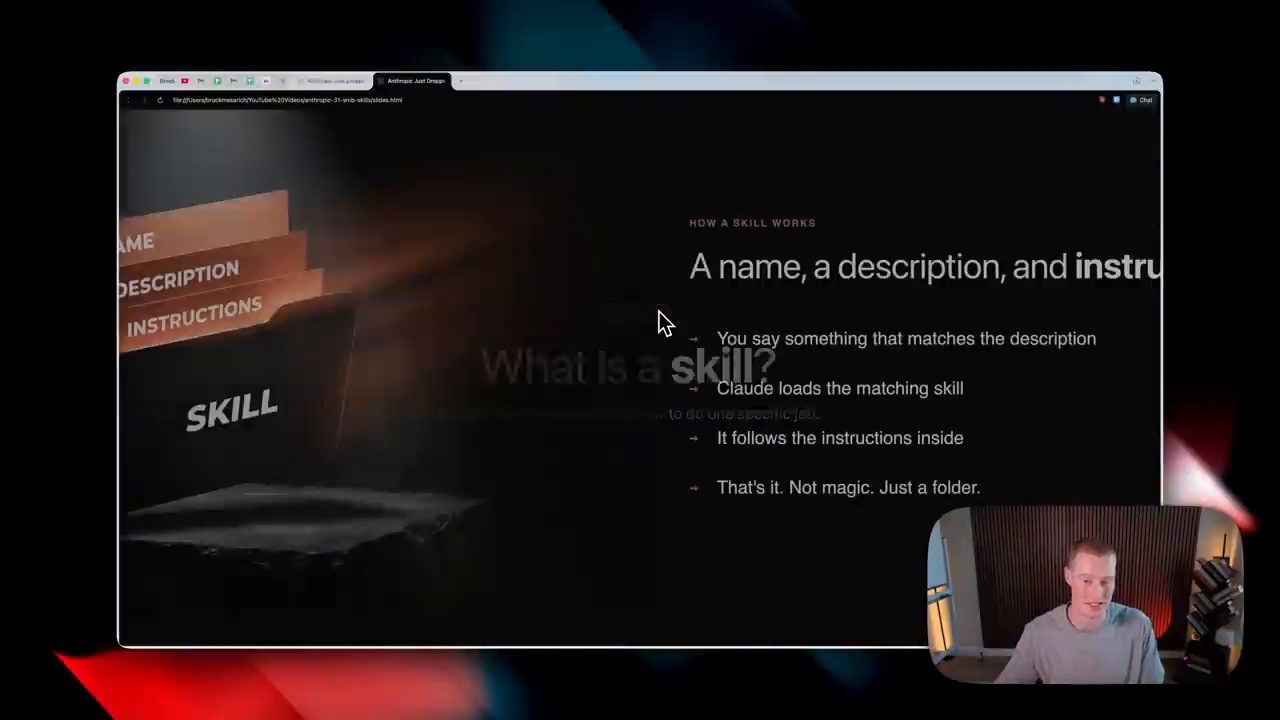
A Claude Skill can bundle instructions, templates, files, and workflow logic so that the AI performs a specific job more consistently. That is why the source article describes the shift from chatbot to workflow automation.
Business Pulse: Turning the Day Into One Briefing
Reducing the morning check burden
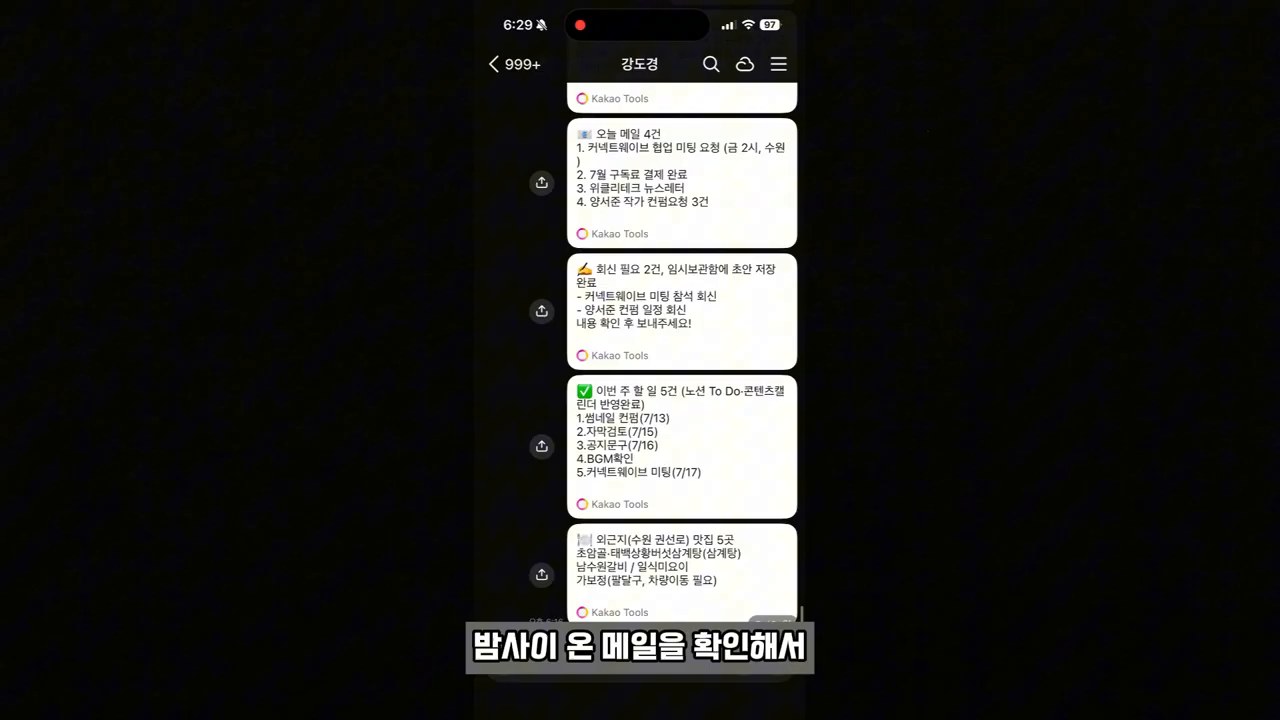
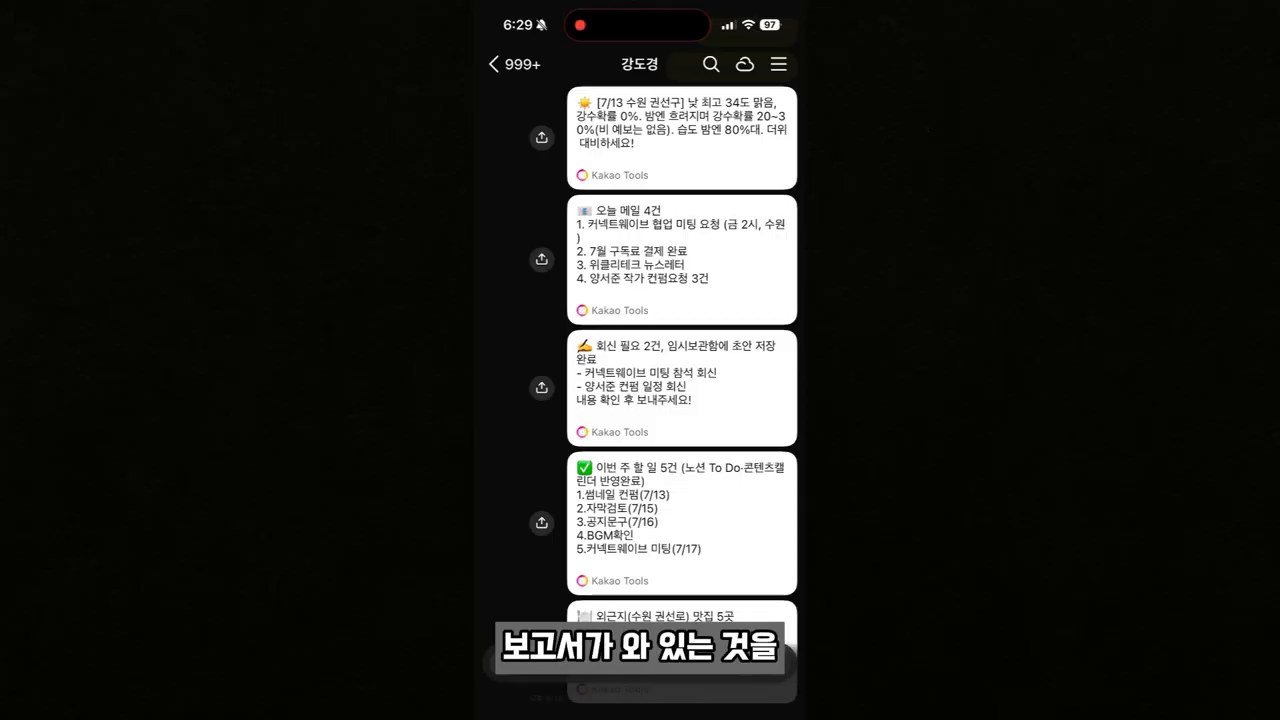
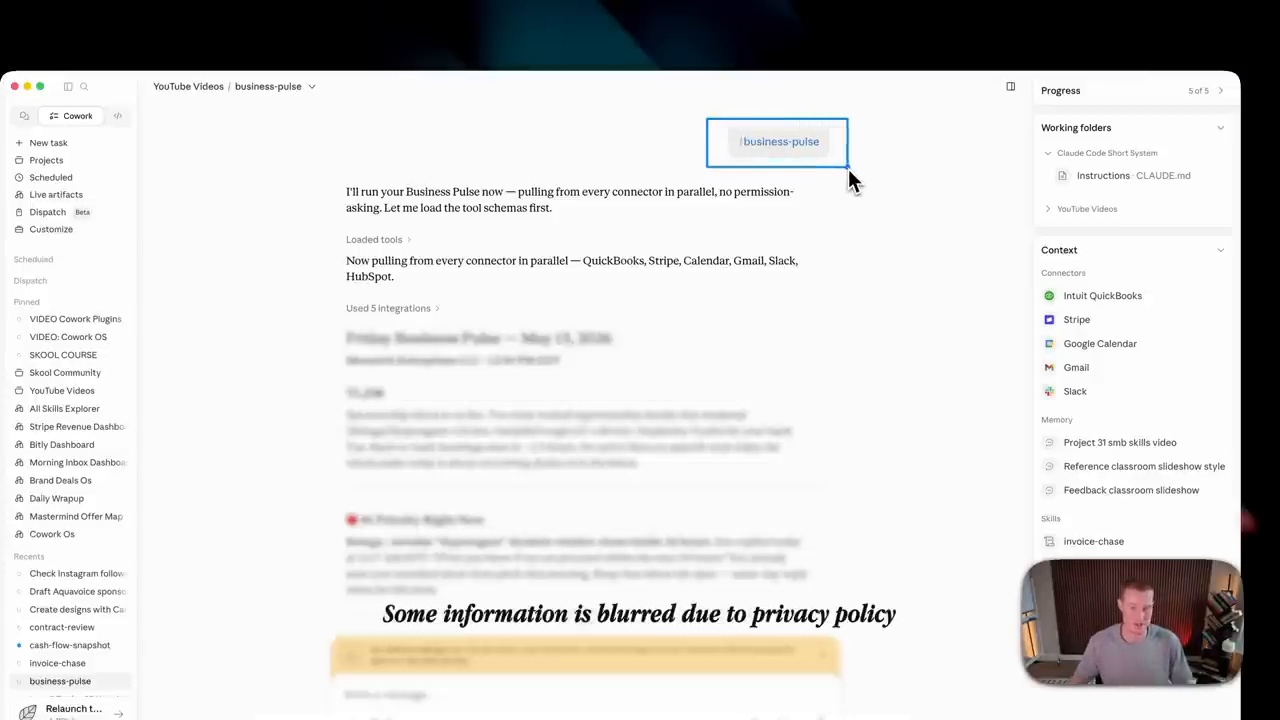
Business Pulse represents a daily briefing workflow. Instead of opening multiple apps to check orders, calendar items, reviews, messages, and urgent tasks, the owner receives a summarized snapshot. The value is not only speed; it is attention management. A clear briefing helps the owner decide what must be handled first.
For a small shop, salon, restaurant, agency, or local service business, this can reduce the feeling of being scattered across tools. The Skill becomes a morning operations packet that organizes signals into actions.
Invoice Chase: Where Receivables Management Becomes Automated
Data connection matters more than automatic email
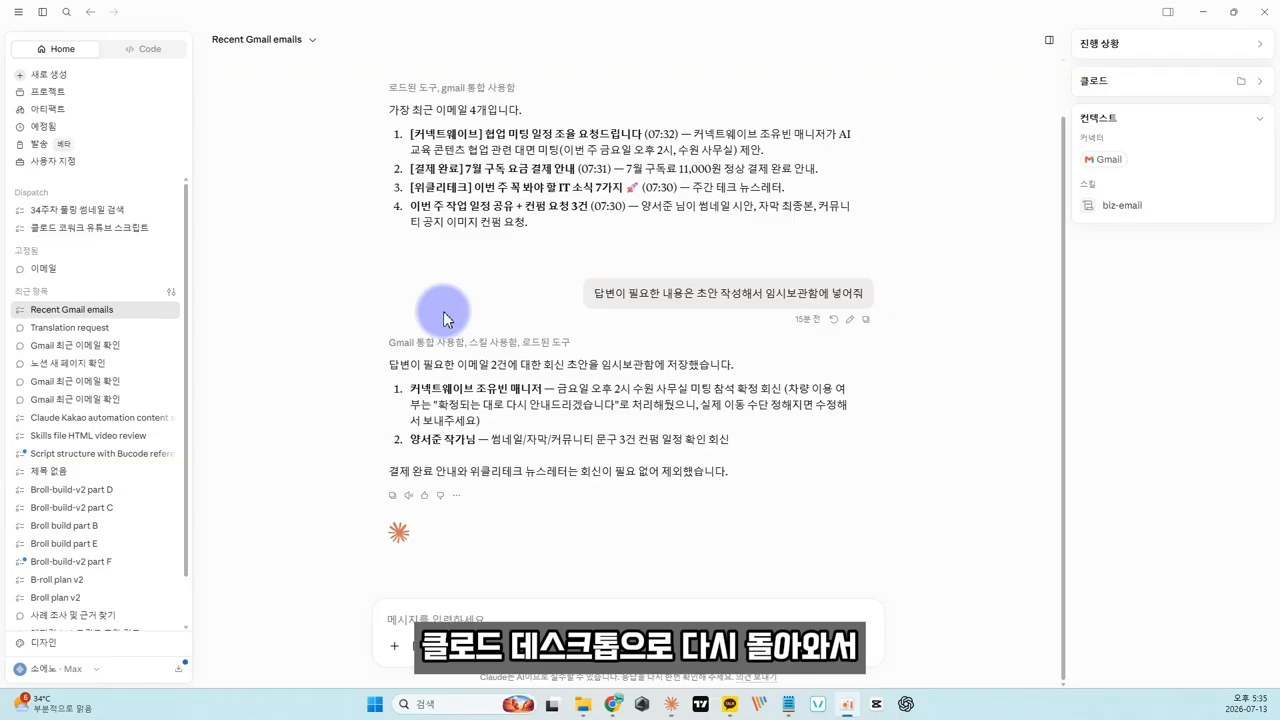
Invoice Chase shows why connected data matters. Sending a reminder email is easy; knowing which invoice is overdue, who has already replied, what tone is appropriate, and whether the customer is important requires context. A Skill can combine invoice data, customer history, and approved message templates.
The Korean source highlights that automation should not mean careless pressure. Human review may remain important for sensitive customers, disputes, or large balances. But routine follow-ups can be standardized so that cash flow does not depend on memory.
Job Post Builder: Hiring Work Becomes a Packet
small business daily briefing automation.
Improving consistency in hiring documents
Small businesses hire part-time staff, service workers, assistants, or specialists without a formal HR department. Job Post Builder can turn a role description into a consistent posting with responsibilities, requirements, schedule, compensation details, and evaluation criteria.
This helps avoid vague hiring posts. It also lets the business reuse successful templates. Over time, the hiring process becomes a packet: job definition, posting, screening questions, interview guide, and follow-up message.
App Connectors and MCP Create Executable AI
The article connects Claude Skills with app connectors and MCP because execution requires access to real systems. A Skill becomes more useful when it can read approved documents, calendars, invoices, or CRM data. MCP-style connections can make that access more structured and permissioned.
The practical lesson is that workflow automation needs both intelligence and connection. Without data, the AI guesses. With uncontrolled data, the AI becomes risky. The correct middle is permissioned access to the minimum information needed for the task.
Security and Permissions Before Adoption
invoice and email workflow automation.
Tasks where human review must remain
Small businesses should not automate everything blindly. Payments, legal messages, hiring decisions, customer refunds, medical or financial advice, and public posts should keep human review. Credentials should never be pasted into chats. Access should be limited, logged, and revoked when no longer needed.
Practical Benefits for Small Business Owners
The benefits are concrete: fewer repetitive checks, faster document creation, more consistent customer communication, better receivables follow-up, and less dependence on the owner’s memory. The deeper benefit is that small businesses can operate with a level of process discipline that previously required larger teams.
A useful way to start is to choose one daily pain point rather than automate the whole business at once. If the owner spends thirty minutes every morning checking messages and unpaid invoices, that is a good first workflow. If hiring posts are inconsistent, Job Post Builder is a better starting point. Small wins build trust and reveal where data connections are still weak.
This English version is a fuller translation and adaptation of the original Korean article, “AI 스킬 만들기, 파일 3개로 시작하는 Claude·GPT 업무 자동화,” for global readers. The article discusses the importance of creating AI skills, which involves turning prompts into reusable work automation. It highlights the difference between project instructions and skills, and how skills can be used to automate repetitive tasks. The article also provides a step-by-step guide on how to create AI skills using Claude and GPT/Codex, and offers tips on how to review and refine the skills.
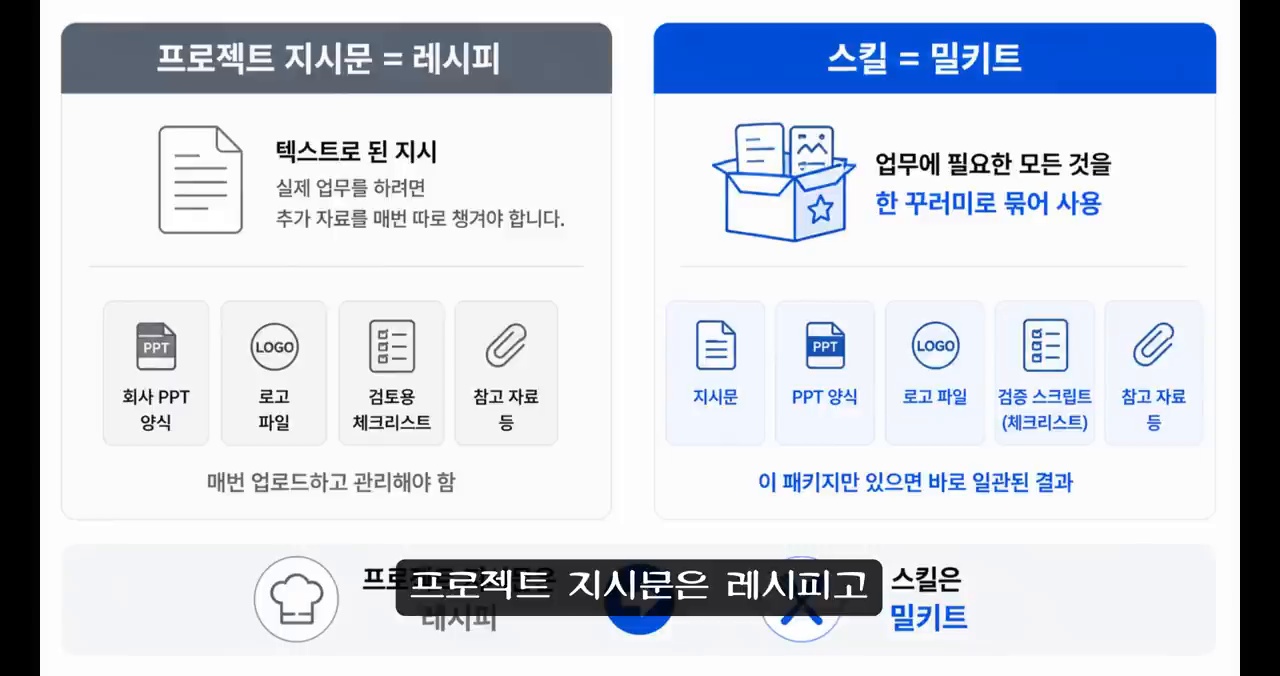
The process of creating AI skills involves turning prompts into reusable work automation. This means that instead of writing a new prompt every time, you can create a skill that can be reused multiple times. The article uses the analogy of a recipe and a meal kit to explain the difference between project instructions and skills. Just as a recipe provides a set of instructions for cooking a meal, a skill provides a set of instructions for completing a task.
Difference between Project Instructions and Skills
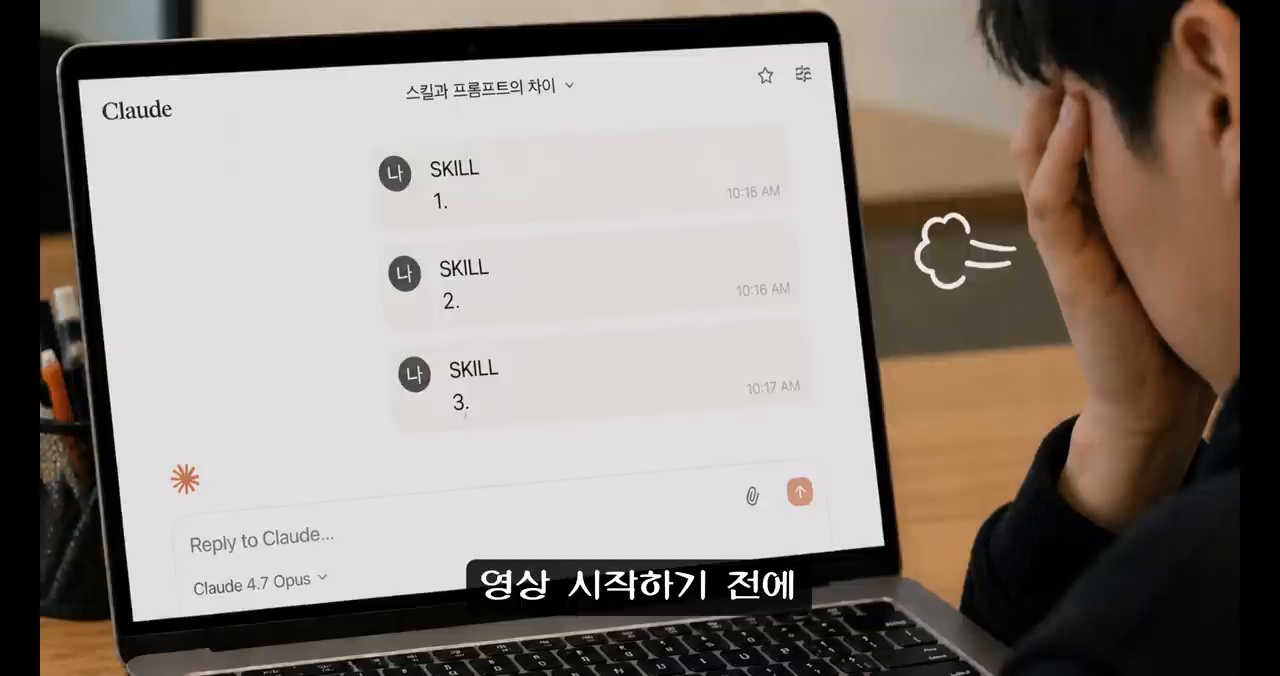
Project instructions are specific to a particular project and provide a set of rules for completing a task. Skills, on the other hand, are more general and can be applied to multiple projects. Skills can include not only the instructions for completing a task but also the necessary materials, tools, and standards. This means that skills can be used to automate repetitive tasks and improve efficiency.
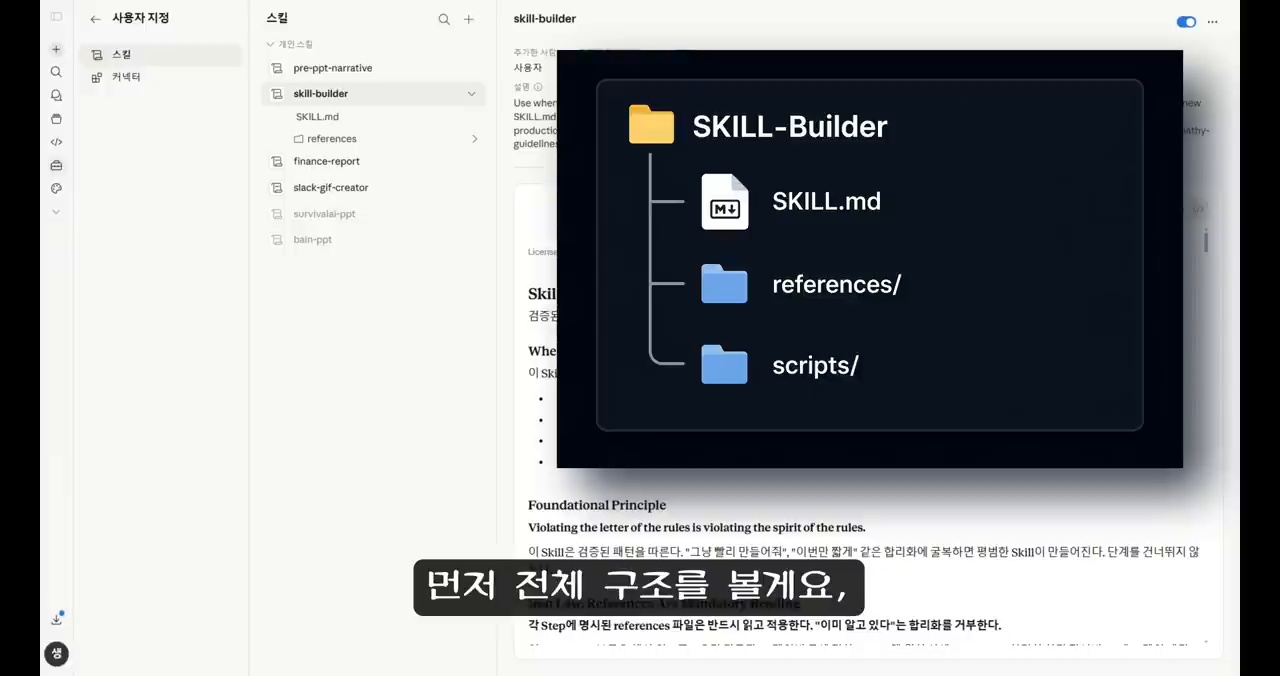
AI skill package structure.
Why AI Skills are Important Now
AI skills are important now because they can be used to automate repetitive tasks and improve efficiency. The article highlights the difference between early AI systems, which were limited to answering simple questions, and modern AI systems, which can perform complex tasks and make decisions. The article also discusses the role of prompt engineering in creating AI skills, and how it has changed over time.
Role of Prompt Engineering
Prompt engineering involves designing and optimizing prompts to get the best results from an AI system. The article highlights the importance of structuring prompts to get the best results, and how this can be used to create AI skills. The article also provides examples of how prompt engineering can be used to create AI skills, such as creating a skill for generating reports or creating a skill for automating data entry.
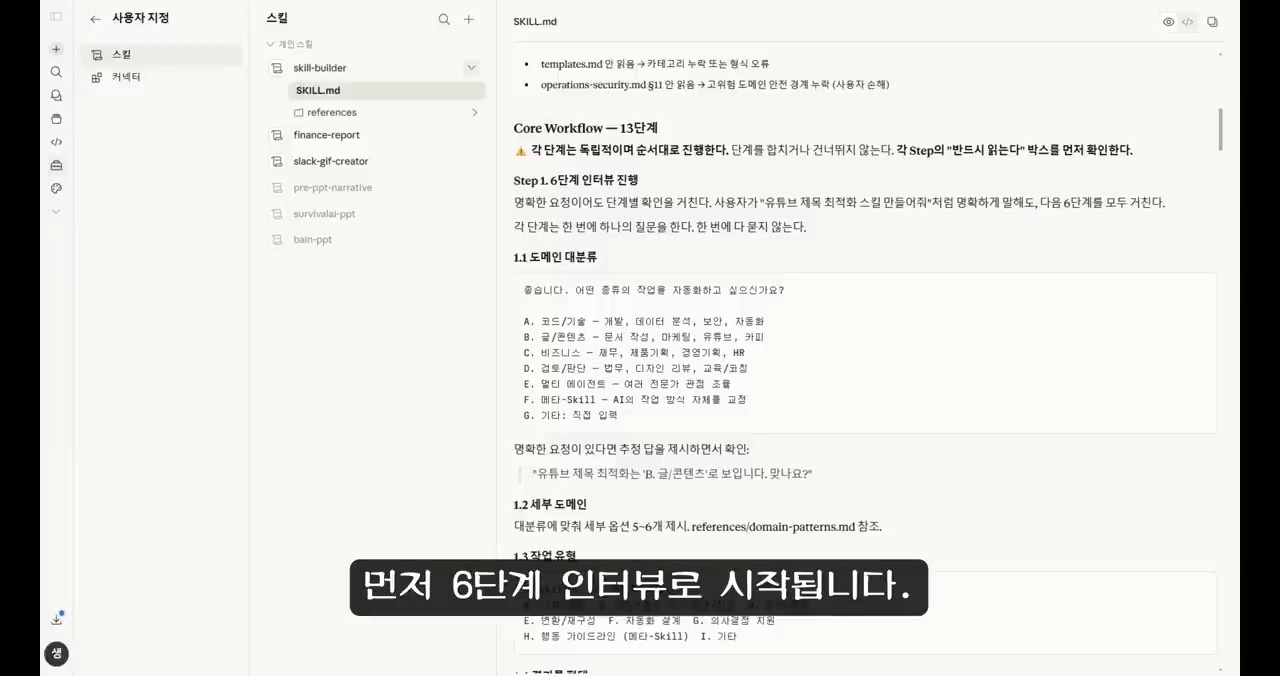
SKILL.md as an execution guide.
Basic Structure of AI Skills
The basic structure of AI skills involves creating a set of instructions and materials that can be used to complete a task. The article highlights the importance of creating a clear and concise set of instructions, and how this can be used to create AI skills. The article also discusses the role of references and scripts in creating AI skills, and how these can be used to improve efficiency and accuracy.
SKILL.md: The Execution Manual
SKILL.md is the execution manual for an AI skill. It provides a set of instructions for completing a task, and can include information such as the materials and tools needed, the steps to follow, and the standards to meet. The article highlights the importance of creating a clear and concise SKILL.md, and how this can be used to create AI skills.
references and scripts for AI automation.
References: The Knowledge Base
References are the knowledge base for an AI skill. They provide additional information and materials that can be used to complete a task, such as documents, templates, and scripts. The article highlights the importance of creating a clear and concise set of references, and how these can be used to improve efficiency and accuracy.
Scripts: The Automation Tool
Scripts are the automation tool for an AI skill. They provide a set of instructions that can be used to automate repetitive tasks, such as data entry or report generation. The article highlights the importance of creating clear and concise scripts, and how these can be used to improve efficiency and accuracy.
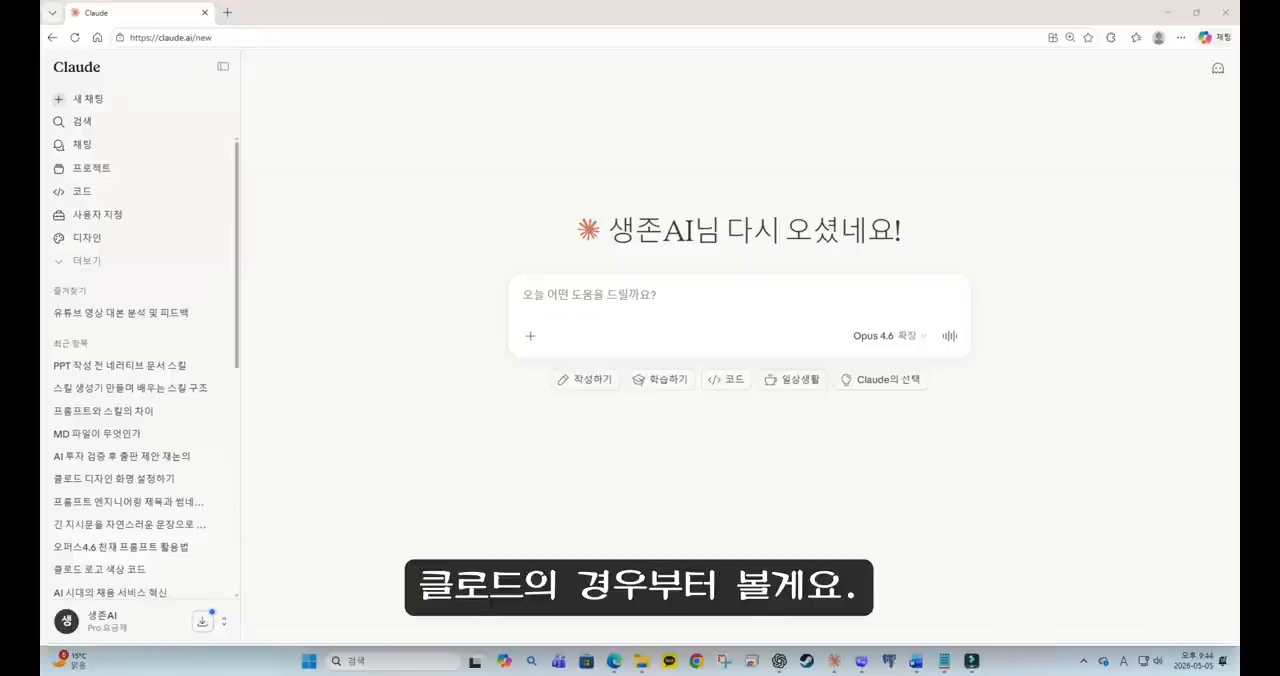
Claude and GPT workflow automation.
Creating AI Skills: A Step-by-Step Guide
Creating AI skills involves a step-by-step process that includes defining the task, creating the SKILL.md, references, and scripts, and testing and refining the skill. The article provides a detailed guide on how to create AI skills using Claude and GPT/Codex, and offers tips on how to review and refine the skills.
Conclusion: AI Skills are the Assets of the AI Era
AI skills are the assets of the AI era. They can be used to automate repetitive tasks, improve efficiency, and enhance productivity. The article highlights the importance of creating AI skills, and how these can be used to improve business outcomes. The article also provides a checklist for creating AI skills, and offers tips on how to get started.
FAQ
What is the difference between AI skill creation and prompt writing?
AI skill creation involves creating a set of instructions and materials that can be used to complete a task, while prompt writing involves writing a single prompt to get a specific response from an AI system.
Can I create an AI skill with just a SKILL.md file?
Yes, you can create an AI skill with just a SKILL.md file. However, it is recommended to include references and scripts to improve efficiency and accuracy.
Can I use an AI skill created by someone else?
Yes, you can use an AI skill created by someone else. However, it is recommended to review and refine the skill to ensure it meets your specific needs and requirements.
What kind of tasks are suitable for AI skills?
Tasks that are repetitive, have a clear set of instructions, and require minimal human judgment are suitable for AI skills. Examples include data entry, report generation, and customer service.
Related Reading
For more information on AI skills and prompt engineering, please refer to the following articles:
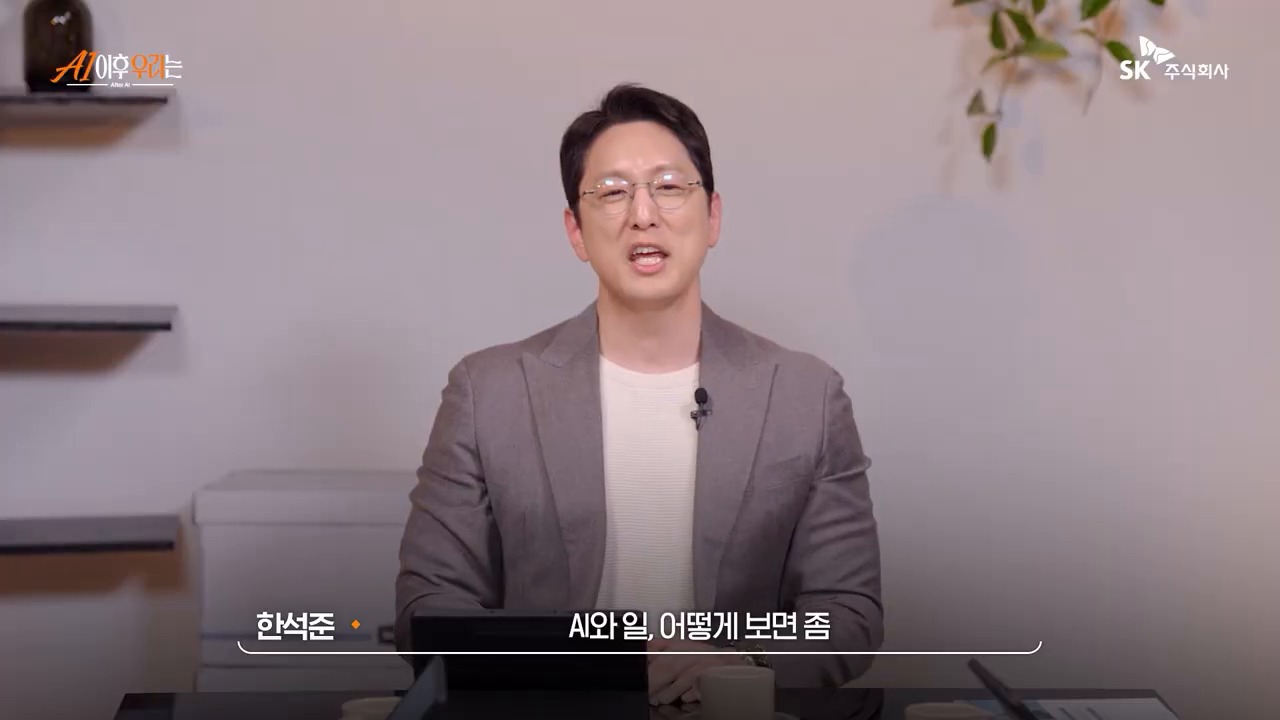
This English version of the article is a fuller translation and adaptation of the original Korean article, AI와 일의 미래: 사라지는 직업보다 먼저 봐야 할 ‘일의 의미’, for global readers. The original article explores the impact of AI on the future of work, emphasizing that the focus should be on the meaning of work rather than just job loss predictions. As we delve into the discussion of AI and the future of work, many people’s initial concern is, “Will my job disappear?” However, the SK YouTube series (AI 이후 우리는) EP.1 “AI와 일” poses a different question, highlighting that the crucial aspect is not just about which jobs will remain or disappear, but rather what meaning work holds for humans and how that meaning will change in the AI era.
AI and the future of work is about redefining roles, careers, and meaning.
AI and the Future of Work: Redefining Rather Than Replacing
The video features a publisher marketer, HR specialist, writer, and a creator who combines cleaning and art. Although their experiences differ, the common message is clear: the changes brought about by the AI era are not just about simple job replacement, but also about how we work, the structure of organizations, and the criteria for careers. The article will cover the main arguments, including how AI changes the structure of work, the evolving roles of administrators and team leaders, the required talent and career strategies for the future, human strengths that AI cannot replicate, and the checklist for individuals and organizations to prepare for the AI-driven work environment.
What This Article Will Cover
The main points to be discussed include the fact that AI changes the structure of work, not just job titles; the shifting roles of administrators and team leaders; the necessary talent and career strategies for the future; human strengths that AI cannot replicate; and the checklist for individuals and organizations to prepare for the AI-driven work environment. The article will also explore how AI is redefining work, making it more about solving problems and creating value rather than just performing tasks.
AI Redefines Work: From Job Titles to Problem-Solving
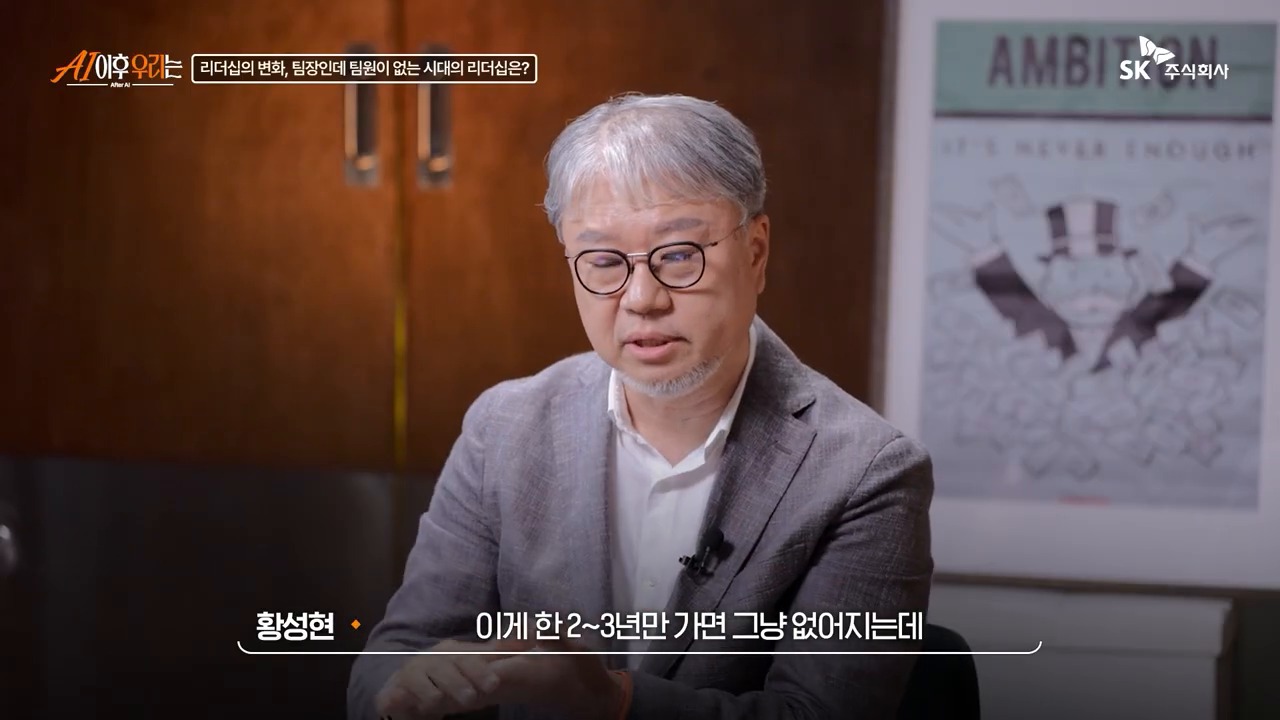
In the video, the panelists ask, “What is work?” rather than “Which jobs will disappear?” HR specialist Professor Hwang Seong-hyun explains that work is about solving specific problems in one’s position. This perspective is especially important in the AI era. Job titles may change, but organizations and markets still have problems that need to be solved. Ultimately, the focus shifts from “What is my job title?” to “What problems can I solve?”
AI can increase productivity while also creating new expectations and burdens.
Logic and Analysis: No Longer Exclusive to Humans
Traditionally, companies have valued logic, analysis, and diligence when hiring and training employees. However, the video points out that AI is rapidly replacing humans in the front end of logic and analysis. AI can already handle tasks such as drafting reports, market research, coding feedback, and data summarization. This does not mean that human roles become obsolete; instead, the questions become more challenging. Humans need to determine how to connect AI-analyzed results to specific goals and contexts, make responsible decisions, and create new value.
AI Can Increase Work, Not Just Reduce It
An interesting point is that while AI may seem to reduce work, it can also lead to an increase in work. The publisher marketer in the video uses AI as a personal assistant and notes that “I end up doing more work because I can do things I previously put off.” In the past, many tasks were abandoned due to lack of resources, manpower, or technology. Now, with AI tools, non-developers can automate simple tasks or conduct experimental planning. Marketers can analyze data, planners can create prototypes, and one-person teams can work with multiple agents, making these scenarios a reality.
AI may flatten organizations and change the role of managers.
The Hidden Burden Behind Increased Productivity
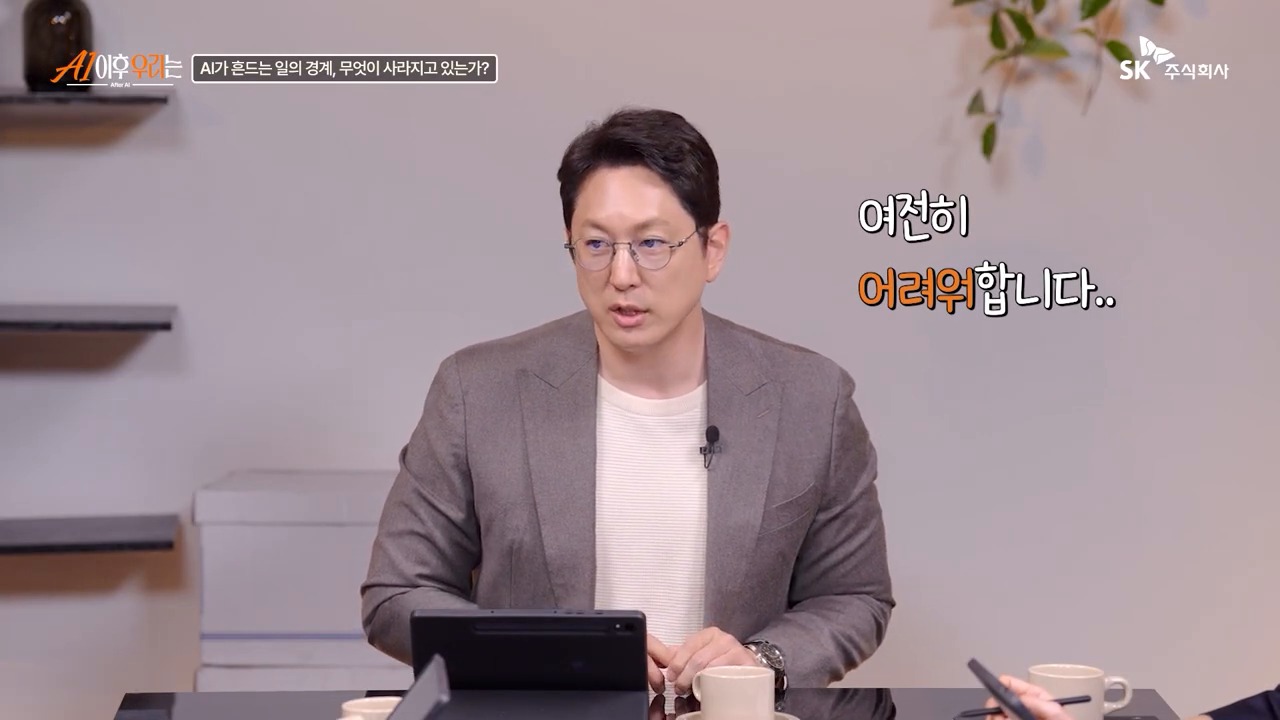
AI saves time but also raises expectations. When people say, “Now that we have AI, can’t you do that?” an individual’s workload expands. Therefore, preparing for the future of work with AI is not just about learning how to use tools; it’s about redefining what needs to be done and what doesn’t. This requires the ability to distinguish between tasks that are necessary and those that are not, in the context of AI-driven work environments.
Organizations Become Flatter, and Administrators’ Roles Change
One of the most impressive topics in the video is the change in organizational structure. In the past, organizations operated with frontline workers creating data, middle managers reviewing it, and executives making decisions. However, as AI takes over data investigation, organization, feedback, and part of goal setting, the significance of the middle layer weakens. This change is not just about reducing the number of team leaders; it’s about administrators’ roles shifting from being transmitters and reviewers to becoming value designers, context providers, and responsible decision-makers.
Career strategy moves from fixed jobs to creating valuable work.
Team Leaders Without Team Members, Managers Without Subordinates
The video mentions expressions like “team leaders without team members” and “managers without subordinates.” As organizations downsize and structures that work with AI agents increase, having many people under one’s management may no longer be the core indicator of leadership. Future leaders will be evaluated not by how many people they manage, but by their ability to define problems, combine AI, people, and processes to achieve results, and demonstrate the value they add.
What Makes a Person Excel in the AI Era?
In the past, individuals who diligently performed their assigned tasks received good evaluations. While diligence is still important, the video suggests that the era where one can survive with diligence alone is coming to an end. The person who excels in the AI era is someone who, even in situations without clear answers, maintains curiosity, creates their own manual, and takes responsibility for projects from start to finish. In simpler terms, having a “sense of ownership” is becoming crucial again.
Those Who Can Leave Are More Likely to Stay
A phrase that strongly resonates from the video is, “Those who can leave are likely to stay, and those who want to stay may find it difficult.” The ability to leave does not mean taking the company lightly; it means having problem-solving skills that are valued in the market and having one’s unique work. The security that relies solely on organizational protection may weaken. In contrast, individuals who can create value anywhere are more likely to be needed within organizations for a longer period.
From Entrepreneurship to Creating One’s Own Job
The video takes the notion of “finding one’s work” a step further, suggesting that one must “create their own job.” Creating one’s job means defining one’s unique work. For example, instead of simply saying, “I’m a marketer,” one could define themselves as “a person who uses AI tools to quickly design content experiments and customer response analysis for small brands.” Similarly, instead of saying, “I’m an HR person,” one could say, “I’m a person who redesigns roles in the AI era and creates talent growth systems.”
Meaning becomes important when AI changes what work looks like.
Companies Become Learning Platforms
The publisher marketer in the video describes a company as a place where individuals can experiment with small projects. The company’s resources are utilized to try new things, and those experiences become part of the individual’s capabilities. This perspective is important. In the AI era, the workplace may become more like a project space where people come together to solve bigger problems rather than a lifelong enclosure. Organizations should tell individuals, “Grow here, and become strong enough to leave,” rather than “Stay with us forever.”
What Can Humans Do Better Than AI?
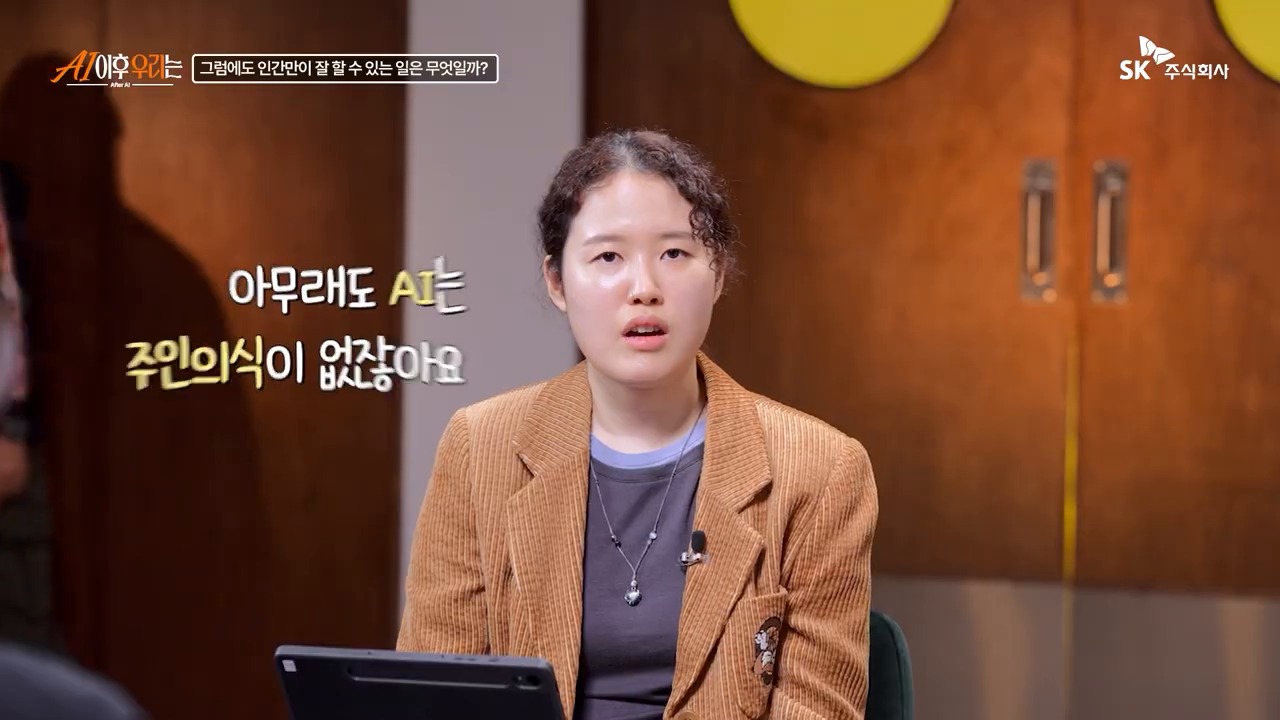
In the final part of the video, author Kim Ye-ji explains human strengths as “a sense of ownership” and “the ability to go beyond prompts.” AI performs well on tasks it is given, but humans can identify problems that were not asked. For instance, while cleaning, a human might notice and remove a spider web that the customer didn’t mention. This illustrates the human role in the AI era: not just as executors, but as individuals who read context, look beyond requests, and propose better outcomes responsibly.
Ask What You Can Take Responsibility For, Not What AI Can’t Do
Many people seek to find tasks that AI can never do. However, following the video’s narrative, this question may not be sustainable. Today, creative work might seem safe, but tomorrow, AI for generating art might emerge. Blue-collar jobs might seem secure, but then humanoid robots could appear. A more realistic question is, “What can I take responsibility for on top of what AI does?” Individuals who can answer this question will be better prepared for the future of work with AI.
Checklist for Individuals and Organizations
Accepting the future of work with AI with vague anxiety can lead to delayed responses. Using the following checklist, one can examine their current work and organization. This preparation is crucial for navigating the changes brought about by AI in the workplace.
FAQ: Frequently Asked Questions About AI and the Future of Work
Will AI Really Replace All Jobs?
It’s unlikely that all jobs will disappear at once. The key point is that repetitive, analytical, and review tasks within jobs are likely to change rapidly. It’s more realistic to look at changes in terms of task units rather than job titles.
Is It Still Meaningful to Join a Company in the AI Era?
Yes, it is. The important point is that the meaning of joining a company may shift from lifelong security to project experiences, resource utilization, and collaborative learning. A good company should be a place where individuals can solve bigger problems and grow.
What Are the Most Important Skills for the Future?
Based on the video’s core message, problem definition, sense of ownership, curiosity, responsible decision-making, and AI utilization skills are crucial. Especially, the ability to create one’s own criteria and take responsibility for outcomes in situations without clear answers is essential.
Will Administrators Become Obsolete?
It’s not that the role of administrators will completely disappear, but their roles are likely to change. Administrators focused on data transmission, simple review, and schedule management may become less important, while leaders who design goals, combine people and AI to achieve results, and make responsible decisions will become more crucial.
Conclusion: The Future of Work with AI is About Working Differently, Not Less
The final message of the video is neither simplistic optimism nor fear. AI will undoubtedly change many aspects of work. However, for humans, work is not likely to disappear completely; instead, its form and meaning will change. The best way to prepare for the future of work with AI is not to focus solely on the question, “Will AI take my job?” but to redefine the problems one solves, embrace AI as a tool, and create one’s unique value within and outside organizations.
The crucial question is, “What judgments and responsibilities can I add on top of what AI can do?” Individuals who can answer this question will be better prepared to thrive in the future work environment and the market beyond their current organizations.
References
– (SK YouTube – “AI will earn your salary, you just play” 5 years later, a world where you don’t have to work to eat has arrived? | AI 이후 우리는) EP.1 “AI와 일”
Related Reading
These articles from thinknote.co.kr provide context and insights related to the topic of AI and the future of work, offering a broader understanding of the subject.
– AI-Native Workflows: Exploring how AI is changing the way we work and the importance of adapting to these changes.
– Agentic Coding and Harness Engineering: Discussing the role of agentic coding in harnessing the power of AI agents for more efficient and effective work processes.
– Local LLM on Apple Silicon: Examining the potential of running large language models on Apple Silicon and its implications for AI-driven work environments.