
This article is a fuller English adaptation of the Korean source about AI agents and physical AI. Its main argument is simple but important: AI is moving from answering questions to taking action. That shift affects software, robots, content creation, healthcare, design, education, and everyday work.

Original Korean article: AI 에이전트와 피지컬 AI, 이제 ‘행동하는 AI’가 온다
AI Agents Become Assistants That Open and Use Apps for Us
The source article begins with the difference between a chatbot and an agent. A chatbot replies inside a conversation. An AI agent can understand a goal, open the necessary application, search for information, compare options, write a message, book something, or prepare a file. It behaves less like a search box and more like a digital operator.
This does not mean the agent is magically independent. It still needs permissions, data access, and clear limits. But once an agent can use tools, the user’s work changes. Instead of copying text between apps, the user can ask for an outcome and supervise the process.
How are AI agents different from existing chatbots?
The difference is execution. A chatbot can explain how to reserve a restaurant; an agent may compare restaurants, check availability, prepare a reservation request, and ask for confirmation before sending. That final confirmation is crucial because action creates consequences.
Physical AI Turns Robots Into Judging Workers
Physical AI applies the same movement from conversation to action in the physical world. Robots have long existed in factories, but many were limited to repetitive motions. New systems combine vision, language, planning, and motor control, allowing robots to understand a situation and adapt their actions.
The Korean article describes this as the move from a “tin machine” to a worker that can judge. A humanoid robot that recognizes objects, decides how to pick them up, and adjusts when the environment changes is different from a machine following a fixed path. The near-term impact may appear first in logistics, warehouses, manufacturing, delivery, inspection, and care support.
Will humanoid robots immediately replace jobs?
The source is cautious. Robots will not instantly replace all human labor, because real environments are messy and expensive to automate. Yet the direction is clear. As robot bodies, sensors, batteries, and AI models improve together, more physical tasks will become automatable.
China’s Robot and Video AI Ecosystem Raises the Speed of Competition
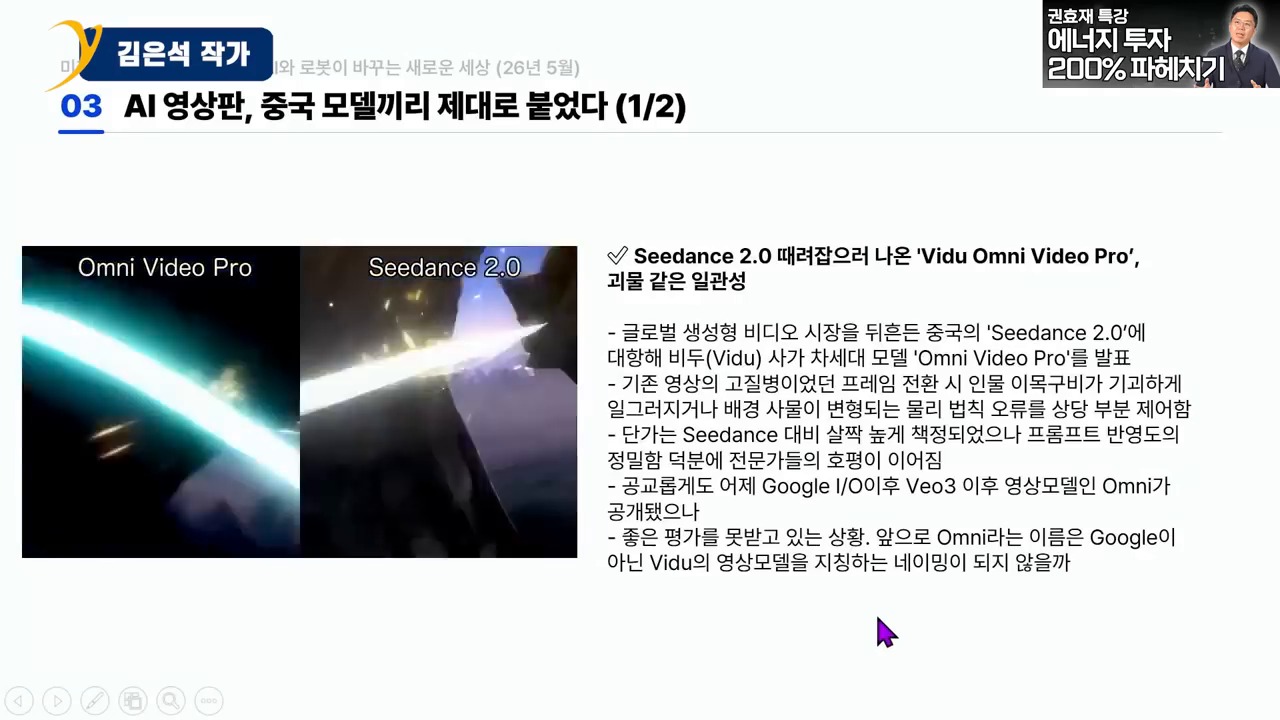
The article pays attention to China because its ecosystem moves quickly. Hardware manufacturing, robot startups, video AI tools, and platform distribution reinforce one another. When a country can prototype devices, train models, create content tools, and push products to users at high speed, other markets feel competitive pressure.
For global readers, the lesson is not only about China. It is about the new rhythm of AI competition. A feature that looks experimental today can become a consumer product quickly when hardware supply chains and AI software are tightly connected.
Content Creation Favors People With Ideas, Not Only Technicians

AI video, image, music, and editing tools lower the technical barrier to making content. The source article argues that this can favor people with strong ideas. In the past, a person needed cameras, editing skills, design software, and production teams. Now a creator can sketch a concept, generate drafts, iterate quickly, and publish.
This does not remove human creativity. It changes where creativity matters. Taste, storytelling, direction, judgment, and audience understanding become more valuable. The person who knows what to make and why can use AI tools as production staff.
Healthcare, Design, and Kitchen Work Expand AI’s Assistant Role
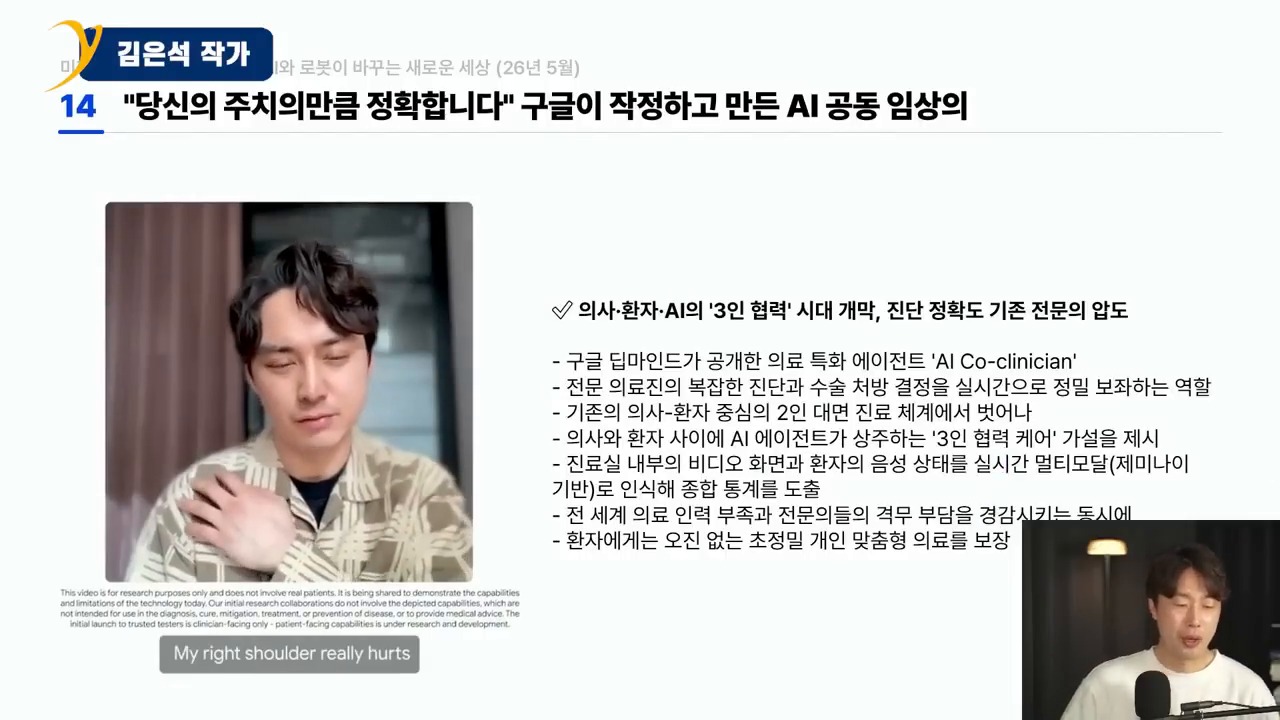
The article also notes that AI is entering practical professional settings. In healthcare, AI can summarize records, assist diagnosis, guide triage, or help with administrative burden. In design, it can generate alternatives and speed ideation. In kitchens or service work, robots and smart devices can help with repetitive preparation, monitoring, and quality control.
The common pattern is assistance before full replacement. AI takes over fragments of work: preparation, comparison, monitoring, drafting, and routine execution. Humans remain responsible for safety, taste, empathy, ethics, and final decisions.
Smart Glasses and AI Cheating Force Education to Change
Smart glasses show why education cannot rely only on old testing methods. If students can see answers, translations, or generated explanations in real time, schools must rethink assessment. The source article treats AI cheating not as a small disciplinary issue but as a sign that learning environments must change.
Education needs more oral defense, process evaluation, project-based work, in-class reasoning, and assignments that require personal interpretation. If information access becomes invisible, the value of education must move toward judgment, problem framing, and authentic understanding.
Three Changes to Watch Now
- Whether agents can safely connect to real apps and payment systems.
- Whether physical AI becomes reliable enough for warehouses, care, delivery, and manufacturing.
- Whether schools and workplaces redesign tasks around judgment instead of simple answer production.
The real signal is permission, not novelty
For teams watching this field, the most important signal is not a spectacular demo. It is whether the AI system can receive limited permission, act inside a real workflow, and leave evidence that a human can inspect. That is the difference between entertainment and infrastructure.
Conclusion: Surprise Becomes Routine
The source article concludes that the surprising demonstrations of today become the normal tools of tomorrow. AI agents and physical AI are not separate trends; both show AI crossing the boundary from language into action. The right response is neither panic nor blind optimism, but careful preparation: define permissions, keep human review, and learn how to work with systems that can act.
Related Reading
Continue with these related Thinknote English articles in the Digital Transformation cluster.
- Thinknote English article
- Thinknote English article
- Thinknote English article
- Thinknote English article
- Thinknote English article
- Thinknote English article
FAQ
What is this article about?
This article explains a digital transformation, platform, market-structure, or technology-adoption topic with Korea-specific context and global implications.
How should I use this guide?
Use it to understand market signals and strategic patterns. Combine it with current market data before making business or investment decisions.
Where can I read the original Korean article?
The original Korean article is available here: AI Agents and Physical AI: When AI Starts Taking Action.